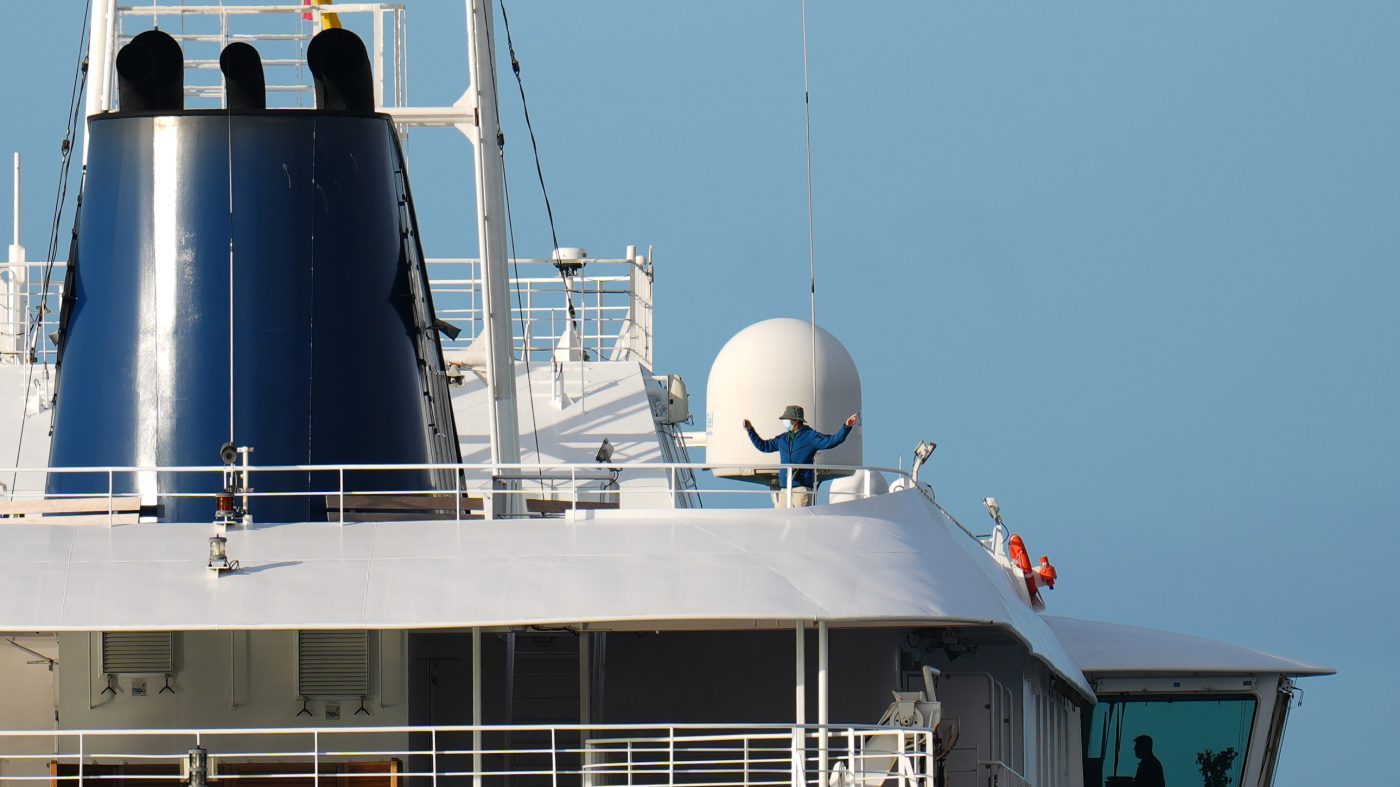
A deadly hantavirus outbreak aboard a Dutch cruise ship has reignited concerns about viral risks on vacation travel, but infectious disease specialists say the threat to the broader public remains negligible. The cluster of Andes hantavirus cases linked to the MV Hondius, sailing in the South Atlantic, has killed three people and drawn comparisons to the early days of the COVID-19 pandemic. However, experts emphasize that the two viruses operate very differently.
Dr. Jorge Salinas, medical director of infection prevention at Stanford Health Care, told reporters this week: “If you're going on a plane or a cruise this summer, I would say your risk of getting hantavirus is very close to zero.” His assessment reflects a broad consensus among public health officials that the Andes strain, while deadly, does not spread easily between people.

Unlike COVID-19, hantavirus transmission typically requires direct contact with infected rodents or their droppings. The Andes variant is the only hantavirus known to spread person-to-person, but even that occurs only through close, prolonged contact with a symptomatic individual. The U.S. Centers for Disease Control and Prevention (CDC) has reported just 890 laboratory-confirmed hantavirus cases nationwide between 1993 and 2023.
As of mid-May, no Andes hantavirus cases have been confirmed in the United States from this outbreak, though the CDC is monitoring 41 people for symptoms. In a statement on May 10, the U.S. Department of Health and Human Services (HHS) declared: “The overall risk to the American public from the Hantavirus and its Andes variant remains extremely low.” The agency has not imposed quarantine orders, a decision that contrasts with the sweeping restrictions seen during the COVID-19 crisis. For more on the CDC's monitoring approach, see our report: CDC Monitors 41 for Hantavirus Without Imposing Quarantine Orders.
Why This Outbreak Differs from COVID-19
Andes virus, a strain of hantavirus endemic to parts of South America, can cause severe respiratory illness. But its transmission dynamics are far more constrained. Former CDC Director Dr. Robert Redfield told NewsNation: “We have a lot of experience here, and I'm pretty confident that the CDC and public health community have got the right response.” Unlike the novel coronavirus that emerged in 2020, hantavirus has been studied for decades, giving doctors a clearer picture of its behavior.
The virus's fatality rate is high—roughly 35% of U.S. hantavirus infections have proven fatal in recent decades—but its rarity limits the public health threat. The incubation period for Andes virus can extend up to 42 days, much longer than COVID-19's typical window, which complicates tracking but does not amplify risk for the average traveler.
Dr. Mary Jo Trepka, an infectious disease epidemiologist at Florida International University, described the outbreak as “a very special situation.” She explained: “A person was traveling and exposed to this relatively rare virus, most likely through rodents, and then they just happened to bring it onto the ship.” This isolated event, she argued, should not deter cruise bookings.
Dr. Gonzalo Bearman, an infectious disease expert at VCU Health, echoed that view, calling it “extremely unlikely” that other cruise ships will face similar Andes hantavirus outbreaks. “The risk of a wider cruise ship-related outbreak of hantavirus is extremely low,” Bearman said in a university article. “Hantavirus outbreaks in Caribbean cruises or even Mediterranean cruises are extremely unlikely.” For a broader look at cruise ship health incidents, see: Cruise Ships Under Scrutiny as Norovirus and Hantavirus Outbreaks Rise.
The World Health Organization reported 11 confirmed hantavirus cases linked to the MV Hondius outbreak as of May 13. While the incident has sparked headlines, experts warn against overreaction. In a related analysis, some observers note that post-COVID psychological trauma fuels overreaction to hantavirus outbreak, a factor that may amplify public anxiety beyond what the science justifies.
For travelers weighing summer plans, the consensus is clear: the risk of contracting hantavirus on a cruise is extraordinarily low. The key differences between hantavirus and COVID-19—limited human transmission, decades of scientific understanding, and a tiny case count—underscore why this outbreak is unlikely to trigger a wider health crisis. For a detailed comparison, see: Hantavirus vs. COVID-19: Key Differences Dim Pandemic Fears.