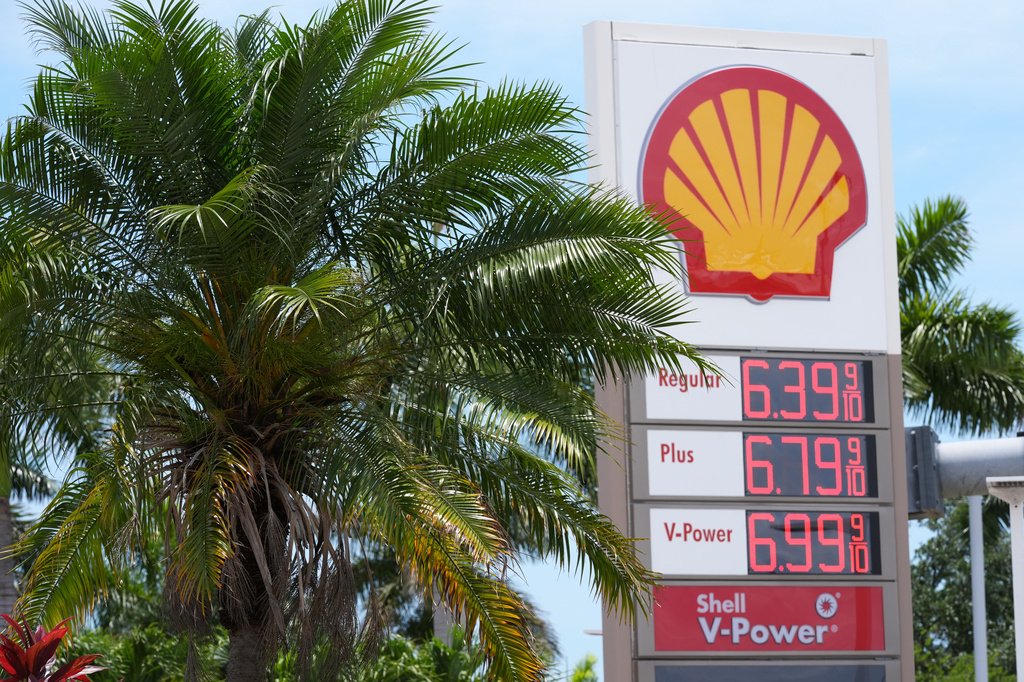
President Donald Trump and Energy Secretary Chris Wright have thrown their support behind a temporary suspension of the federal gas tax, framing it as a quick fix to ease the burden on drivers as gasoline and diesel prices spike during the ongoing conflict with Iran.
In a phone interview with CBS News on Monday, Trump called the idea “great,” stating, “We’re going to take off the gas tax for a period of time, and when gas goes down, we’ll let it phase back in.” The proposal, often dubbed a gas tax “holiday,” would require congressional approval, and several Republican lawmakers have signaled support.

But the plan is already drawing sharp criticism from both sides of the aisle. Senate Majority Leader John Thune (R-S.D.) argued Monday that the most effective way to stabilize fuel prices is to reopen the Strait of Hormuz or end U.S. military operations in Iran, rather than tinkering with federal excise taxes. Thune warned that suspending the tax would starve the Highway Trust Fund, which relies on those revenues for infrastructure projects.
Democratic lawmakers have been equally dismissive. Rep. Richard Neal (D-Mass.) accused Trump of pushing a gas tax holiday “rather than dealing with the real problem he has created” with his policies, pointing to the administration’s role in the current crisis. The partisan divide highlights the broader debate over how to address rising fuel costs amid geopolitical turmoil.
The federal gas tax currently stands at 18.4 cents per gallon for gasoline and 24.4 cents for diesel, but state-level taxes add significantly more to the pump price. Drivers in states like California, Illinois, and Pennsylvania already pay some of the highest combined rates in the nation, making any federal suspension a modest relief at best.
While Trump’s proposal has gained traction among some conservatives, it faces an uncertain path in Congress, where infrastructure funding remains a priority. Meanwhile, the White House has also threatened to cut Medicaid funds over state fraud compliance, signaling a broader push for fiscal accountability that could complicate the gas tax debate.
Critics argue that a gas tax holiday would provide only temporary relief and fail to address the underlying causes of price spikes, such as supply chain disruptions and military actions. As the administration weighs its options, the political battle over fuel costs is likely to intensify, with both parties jockeying for position ahead of the next election cycle.