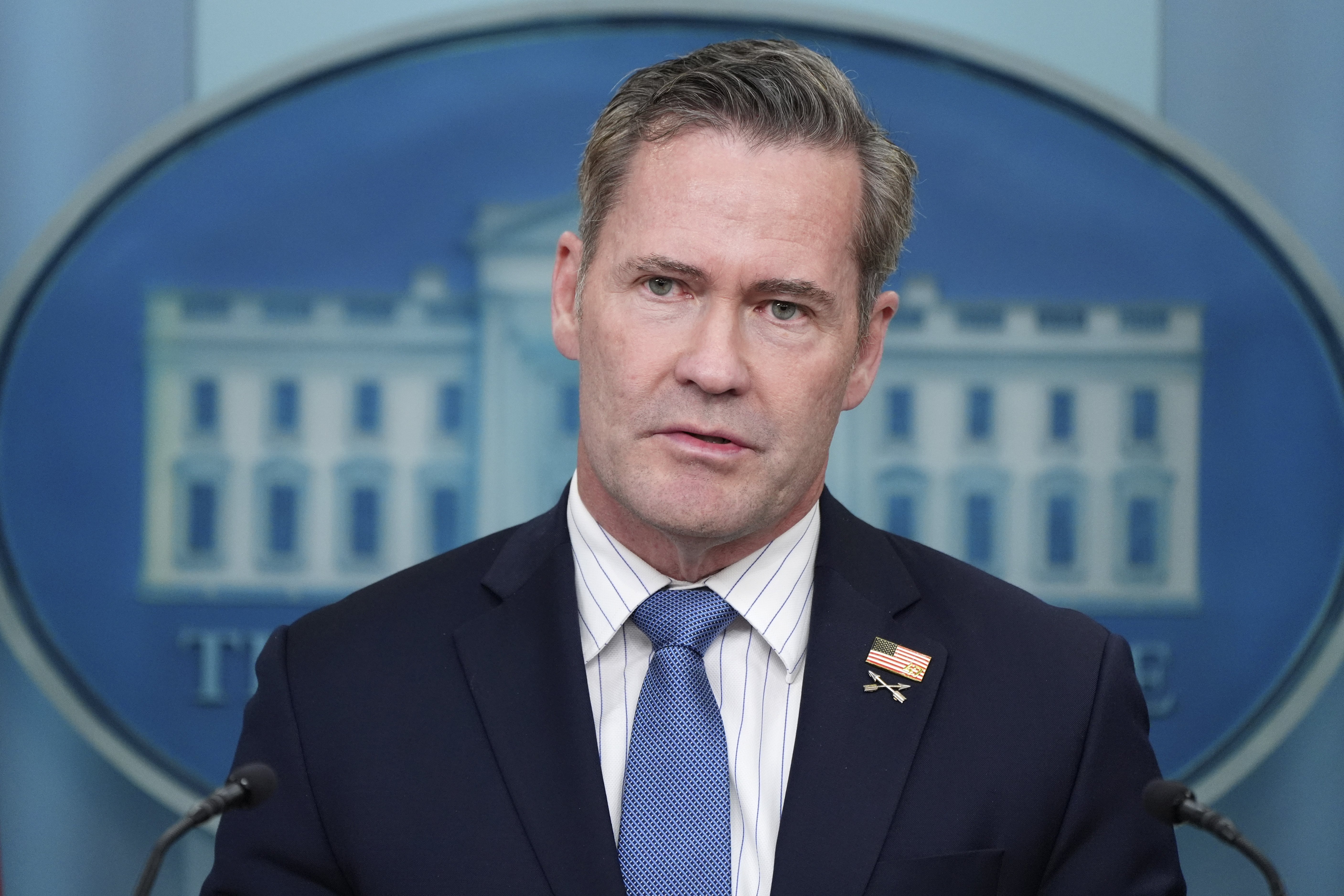
U.S. Ambassador to the United Nations Mike Waltz stated Friday that President Donald Trump directly conveyed to Chinese President Xi Jinping during their summit that the United States intends to maintain the current situation regarding Taiwan, including a planned major arms sale to the island.
In an interview with Fox News, Waltz said Trump was “quite clear that it is going to be status quo going forward.” He noted that every arms sale to Taiwan draws strong objections from Beijing, but emphasized the administration’s commitment to longstanding policy.
The president himself told reporters Friday he had “made no commitment” on Taiwan after the two-day meeting with Xi, who has consistently opposed U.S. support for Taipei. Trump faces bipartisan pressure from Congress to approve a $14 billion arms package to Taiwan, but said he would decide “over the next early short period” and wants to speak with Taiwan’s leader first.
China claims Taiwan as part of its territory, while Taiwanese leaders assert the island’s independence. The United States has not formally endorsed either position, maintaining what Waltz described as a policy of “strategic ambiguity.” He argued that revealing whether the U.S. would defend Taiwan could embolden China, so keeping “stability and peace in the straits” is paramount.
Taiwan’s foreign affairs ministry welcomed the arms deal, calling it a security commitment under the Taiwan Relations Act and a joint deterrent against regional threats. The ministry praised Trump’s continued support, noting that arms sales during his first term reached record highs, and described close U.S.-Taiwan cooperation as “the cornerstone of peace across the Taiwan Strait.”
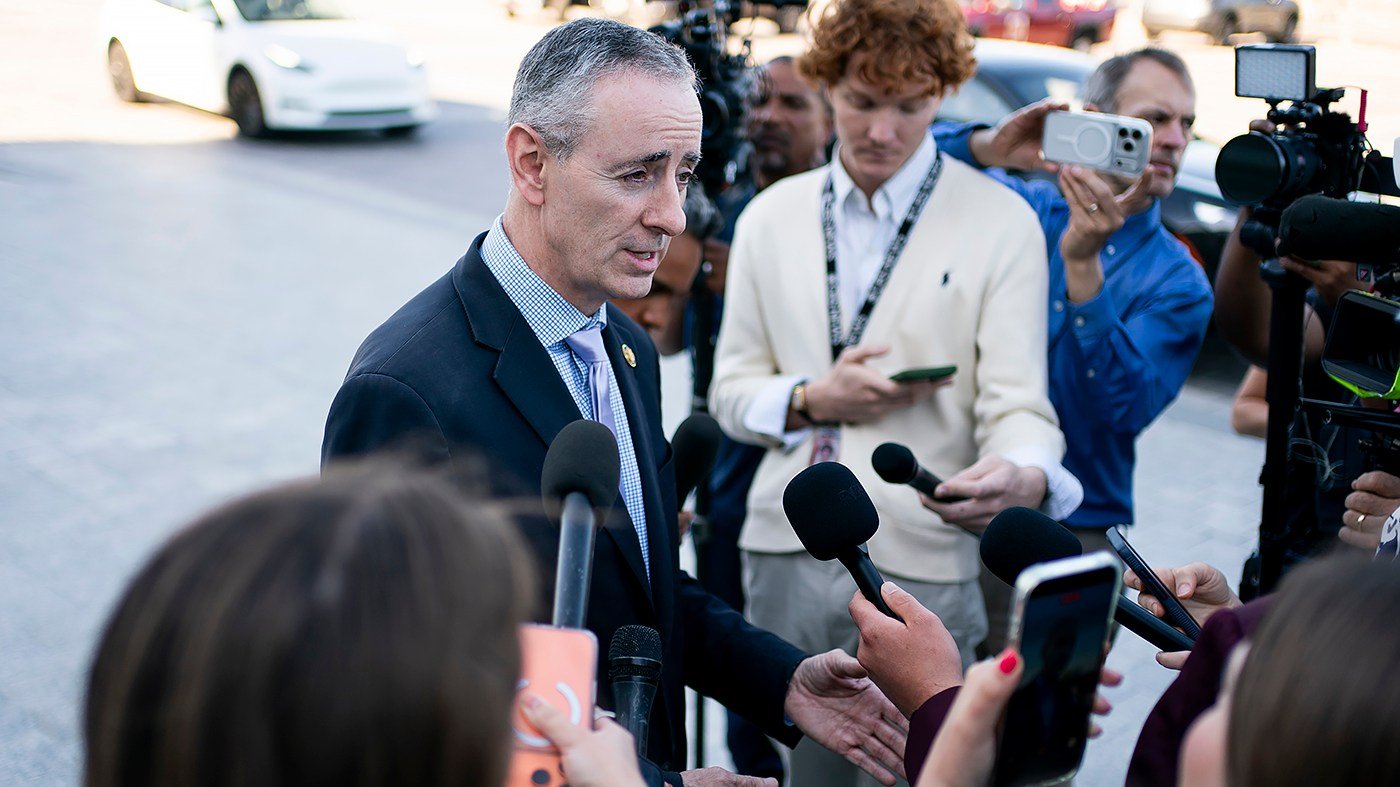
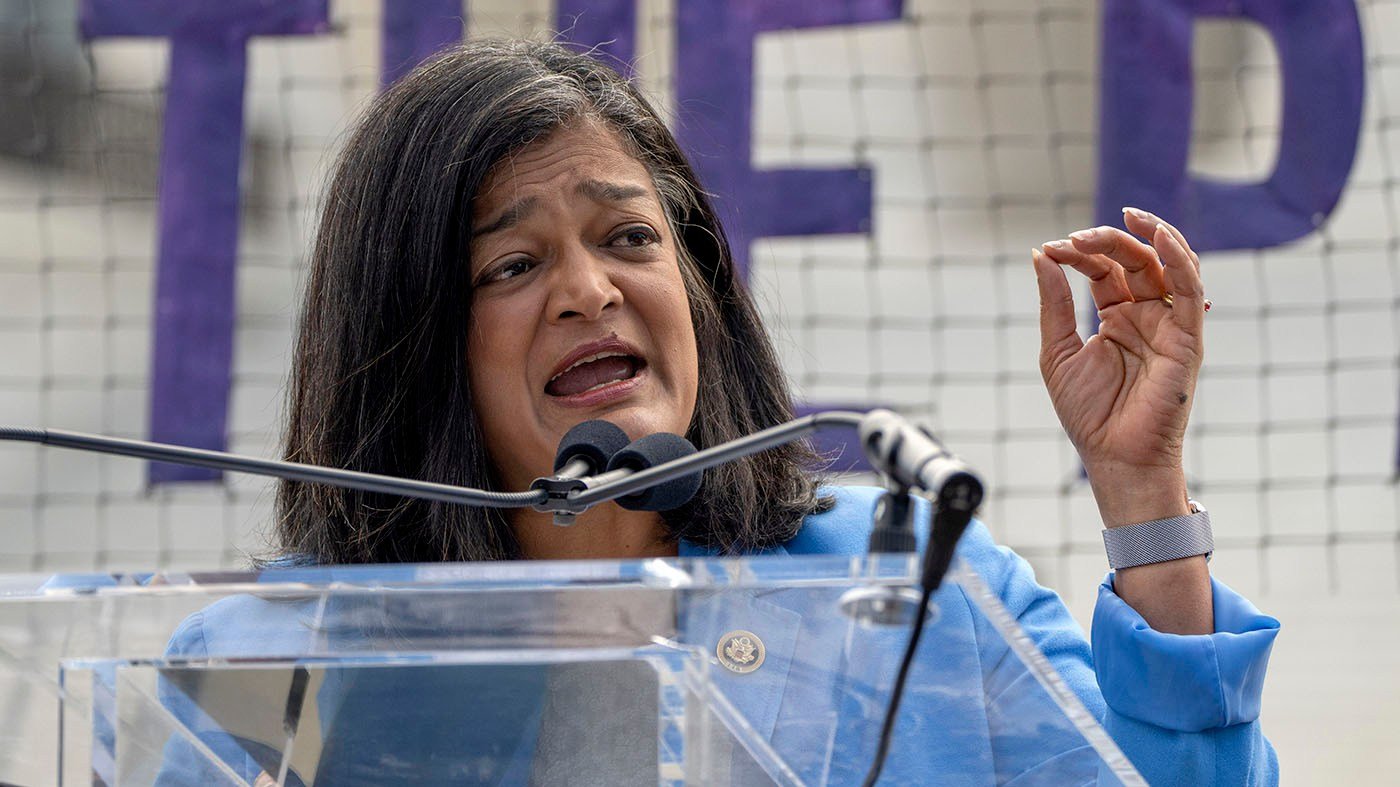
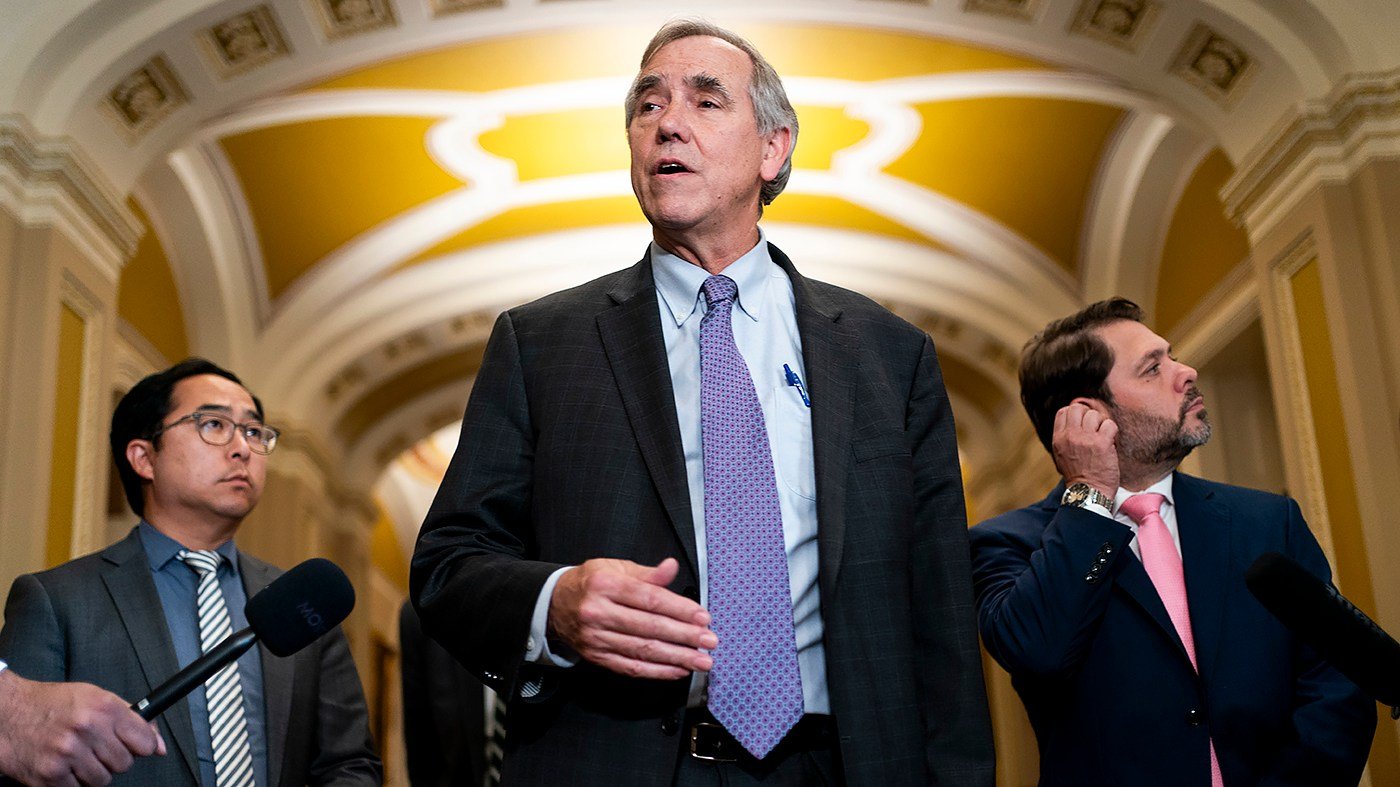
Trump’s hesitation on the arms sale has already sparked alarm among lawmakers. A related report highlights growing concern on Capitol Hill about the administration’s wavering stance on the defense pledge to Taipei.
During the summit, Trump and Xi also struck business agreements and discussed reopening the Strait of Hormuz, which has been effectively closed amid the ongoing Iran war. The president has remained focused on that conflict, even as domestic gas prices and inflation surge.
Waltz’s comments reinforce the administration’s effort to balance deterrence with diplomatic caution, avoiding a clear commitment that might provoke Beijing while signaling continued U.S. support for Taiwan’s self-defense.