Three weeks after the U.S. imposed its blockade on the Strait of Hormuz, President Trump boasted that America has “all the time in the world” to wait out Iran. The move slashed a major chunk of Iran's export revenue, and analysts initially predicted the regime's economy would buckle within weeks. But a leaked CIA report now suggests Iran's resilience could stretch the timeline to three or four months, testing Washington's patience.
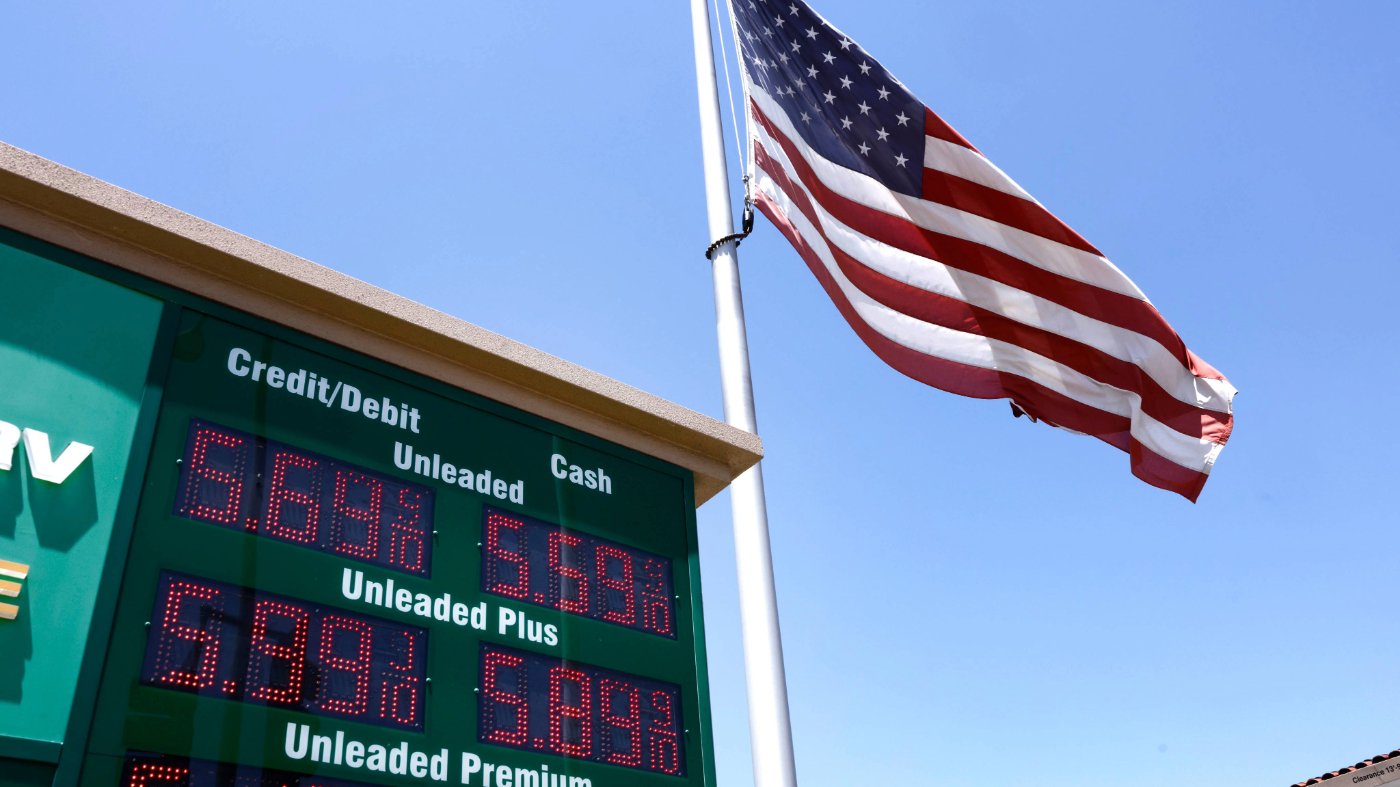
Preventing Iran from obtaining a nuclear weapon remains a core national security priority. Yet the economic toll on American households threatens to undermine public support for the strategy. With the U.S. consuming nearly 9 million barrels of gasoline daily, drivers face an extra $10 to $17 per week at the pump—amounting to $1,000 to $1,800 per family annually. That's roughly $2 billion to $3.3 billion in lost consumer spending power each week, a regressive tax that hits working families hardest.
Trump's decision to confront Iran was bold, but domestic pressure should not force his hand. He has already proposed a temporary suspension of the 18-cent federal gasoline tax, but Congress should go further with an emergency subsidy of about $1.50 per gallon. This time-limited measure would bring prices back to pre-crisis levels, costing roughly $15 billion monthly—a manageable sum compared to the trillions spent during COVID-19 or the long-term cost of a nuclear Iran.
The economics are straightforward: a consumer-side subsidy would preserve market signals and supply incentives while providing a targeted fiscal buffer. Relief could be delivered via point-of-sale rebates, tax credits, or direct transfers, with safeguards to prevent profit gouging by intermediaries. Previous crises, from World War II to the pandemic, saw decisive federal intervention to protect households. This principle is practical, not ideological.
Politically, the move makes sense. Gas prices are a vivid measure of economic strain, and a temporary subsidy would signal that policymakers understand the pressure on families. It could attract bipartisan support—few voters object to lower pump costs during an international crisis. As the nation navigates this geopolitical standoff, economic steadiness at home is essential to sustain the will for a prolonged strategy.
The blockade has already brought Iran to the negotiating table. Taking the foot off Tehran's neck has failed before. A temporary gasoline subsidy would strengthen the president's hand, support American households, and reinforce the unity needed to see this through. As Trump's approach to Iran talks continues to evolve, this policy could help bridge the gap between strategic patience and economic reality.
David F. Eisner is an operating partner in a private equity fund.