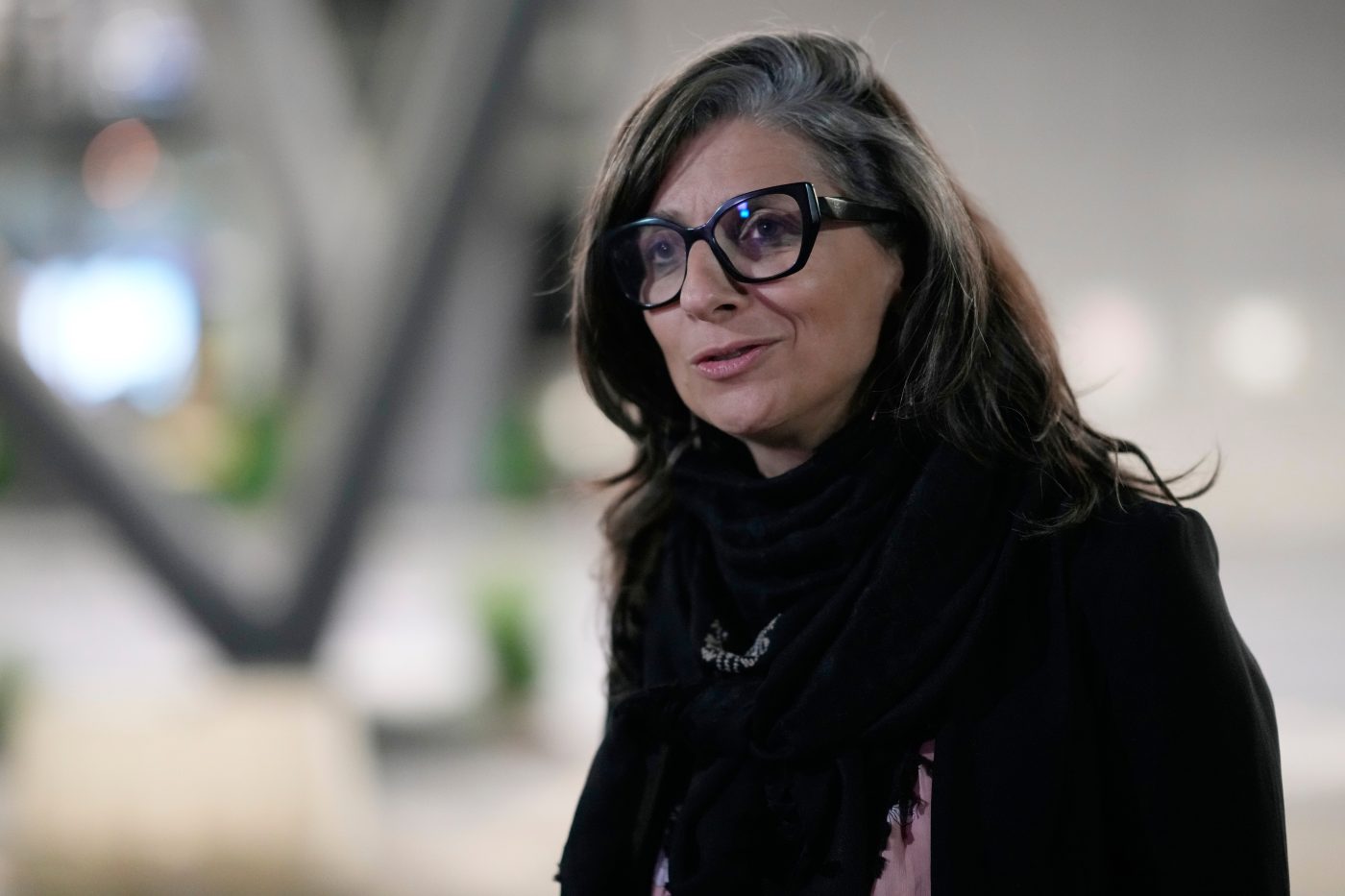
A federal judge on Wednesday temporarily halted the Trump administration's sanctions against Francesca Albanese, a United Nations human rights investigator, ruling that the penalties likely infringed on her First Amendment rights. The decision marks a significant legal setback for the administration's efforts to target critics of Israel.
U.S. District Judge Richard Leon, an appointee of former President George W. Bush, issued a preliminary injunction blocking enforcement of sanctions imposed in July 2025 by Secretary of State Marco Rubio. The sanctions had barred Albanese from entering the United States and froze her U.S.-based assets, among other penalties.
In his 26-page memorandum opinion, Leon zeroed in on Rubio's stated rationale for the sanctions, which accused Albanese of displaying "unabashed antisemitism" and supporting terrorism. The judge found that the administration's actions were explicitly aimed at punishing Albanese for her speech criticizing Israel and its military campaign in Gaza.
"If Albanese instead opposed ICC action against U.S. and Israeli nationals, she would not have been designated under E.O. 14203," Leon wrote. "Thus, the effect of Albanese’s designation is to 'punish' and thereby 'suppress disfavored expression.'"
Albanese, an Italian legal scholar, has served as the UN special rapporteur for the Palestinian territories since 2022. She has accused Israel of committing genocide and human rights abuses in Gaza and recommended Israeli officials, including Prime Minister Benjamin Netanyahu, for prosecution by the International Criminal Court (ICC).
The State Department defended the sanctions as "legal and appropriate," with a spokesperson calling Albanese a "disgrace" and the lawsuit "baseless lawfare." The department did not immediately respond to requests for comment on the ruling.
Leon also determined that Albanese, despite living outside the United States, has sufficient ties to the country to assert First Amendment claims. Her husband, Massimiliano Cali, filed the lawsuit in February on behalf of himself, Albanese, and their child, arguing the sanctions violated her free speech rights.
Albanese has denied accusations of antisemitism or support for terrorism, telling Reuters that such claims are "thrown around like confetti by people who care about Jews as much as they care about Palestinians." She said the sanctions have upended her life, forcing her to hide her identity at events and preventing her from accessing her savings or working.
The ruling adds to a series of legal challenges facing the Trump administration, including a federal court blocking the president's 10% tariff and ongoing scrutiny of campaign finance disclosure rules. Meanwhile, Rubio has remained a prominent figure in the administration, recently surpassing other potential 2028 GOP contenders in early polling.