Republican senators are signaling that any request from President Trump for tens of billions of dollars to fund the Iran conflict will face steep opposition in the Senate, as frustration grows over the lack of a clear strategy to end the war. Lawmakers say patience is wearing thin, and additional funding is unlikely to secure the necessary votes unless Trump submits a formal request for authorization or presents a credible timeline for concluding hostilities.
The core challenge, according to GOP senators, is that Trump appears to have no straightforward path to ending the war while Iran maintains control over the Strait of Hormuz, a critical chokepoint for 20% of global oil supplies. This dynamic has fueled anxiety among Republicans who fear the conflict could drag on indefinitely, driving up energy prices and eroding public support.

“I think the supplemental is in big trouble. I think that’s one of the reasons we haven’t seen a formal supplemental request. I think that’s going to be a very heavy lift,” said a Republican senator who spoke on condition of anonymity to discuss growing skepticism within the GOP conference.
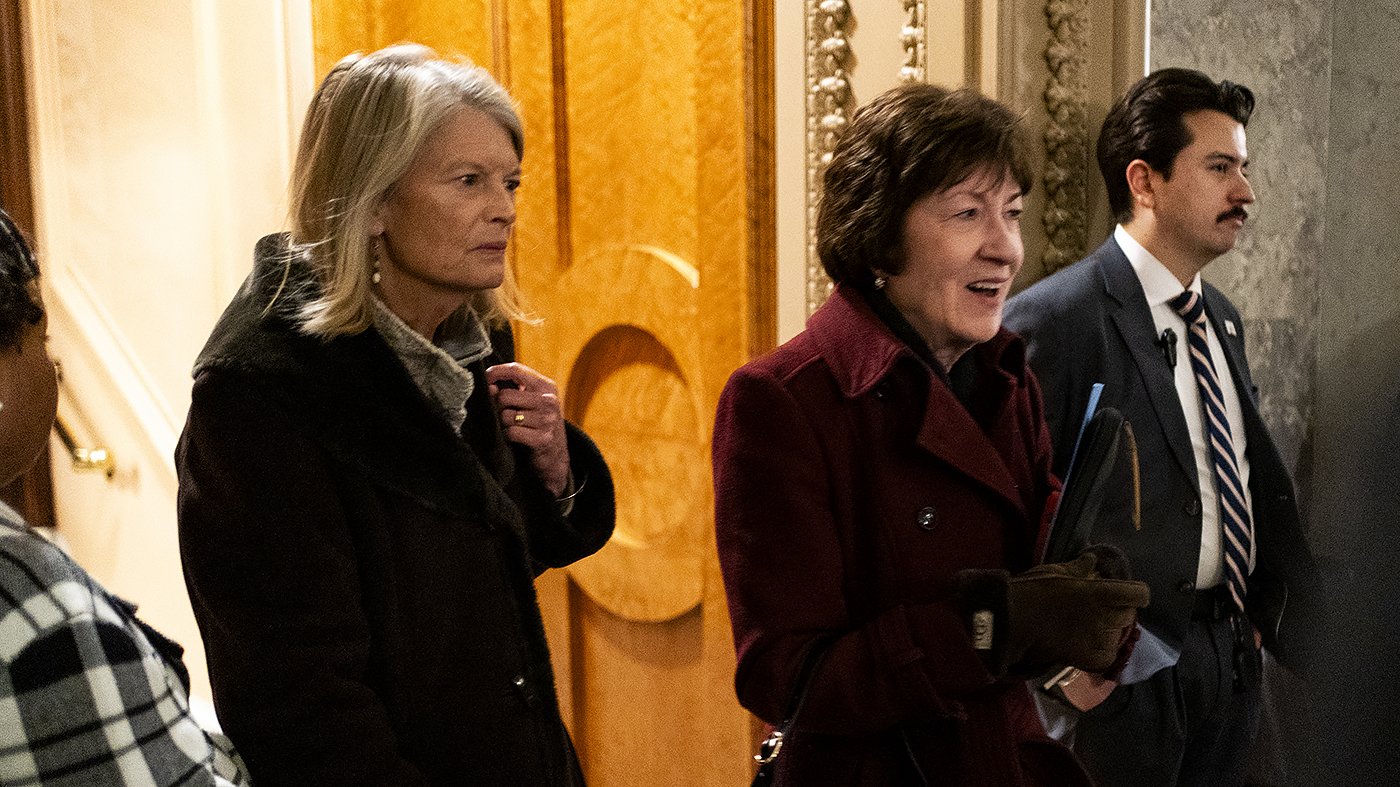
On Wednesday, three Republican senators—Lisa Murkowski of Alaska, Susan Collins of Maine, and Rand Paul of Kentucky—voted to advance a Democratic-sponsored resolution under the 1973 War Powers Act, which would direct Trump to withdraw U.S. forces from hostilities against Iran. The vote came despite Senate Republican leaders urging opposition. Murkowski, who had previously voted against similar measures, changed her position, stating that the 60-day limit for hostilities without congressional authorization had been surpassed. “The administration’s own position removes any justification for keeping our servicemembers in harm’s way without congressional authorization,” she said in a statement.
Republican senators say the discontent over the war’s length and its impact on fuel prices runs deeper than those three votes suggest. “Patience is running out. The public pressure is the big thing. Every time senators go home, they hear from voters who are not in favor of the war. Independents absolutely hate it and the energy prices are really starting to hurt,” said another GOP senator who requested anonymity.
Trump initially predicted the war would last four to five weeks, but it has now reached its 75th day. A third Republican senator warned that passing an emergency supplemental would be “a difficult lift,” noting that any funding request would give GOP colleagues a chance to press for answers on ending the conflict. “We’re not going to let this opportunity go by the wayside without getting answers, which the administration hasn’t provided to date,” the lawmaker said.
Most Republican senators are reluctant to undermine Trump’s authority as commander-in-chief by voting for a Democratic resolution forcing withdrawal. However, some are now warning they will not approve funding to prolong the war without formal authorization from Congress. Trump argued in a May 1 letter that the ceasefire with Iran had effectively ended hostilities, but Sen. John Curtis (R-Utah) dismissed that claim. “I don’t think there’s any question in my mind that it’s expired,” he said of the 60-day window. Curtis voted against the War Powers resolution but added, “My ability is to not fund the war after 60 days and I’m serious about that.”
If Curtis joins Murkowski, Collins, and Paul in opposing supplemental funding, such a measure would be on the brink of defeat. Paul predicted more Republicans would turn against the conflict if Trump resumes bombing. “There’s a lull in activities now. If the war heats up more, there may be more,” he said.
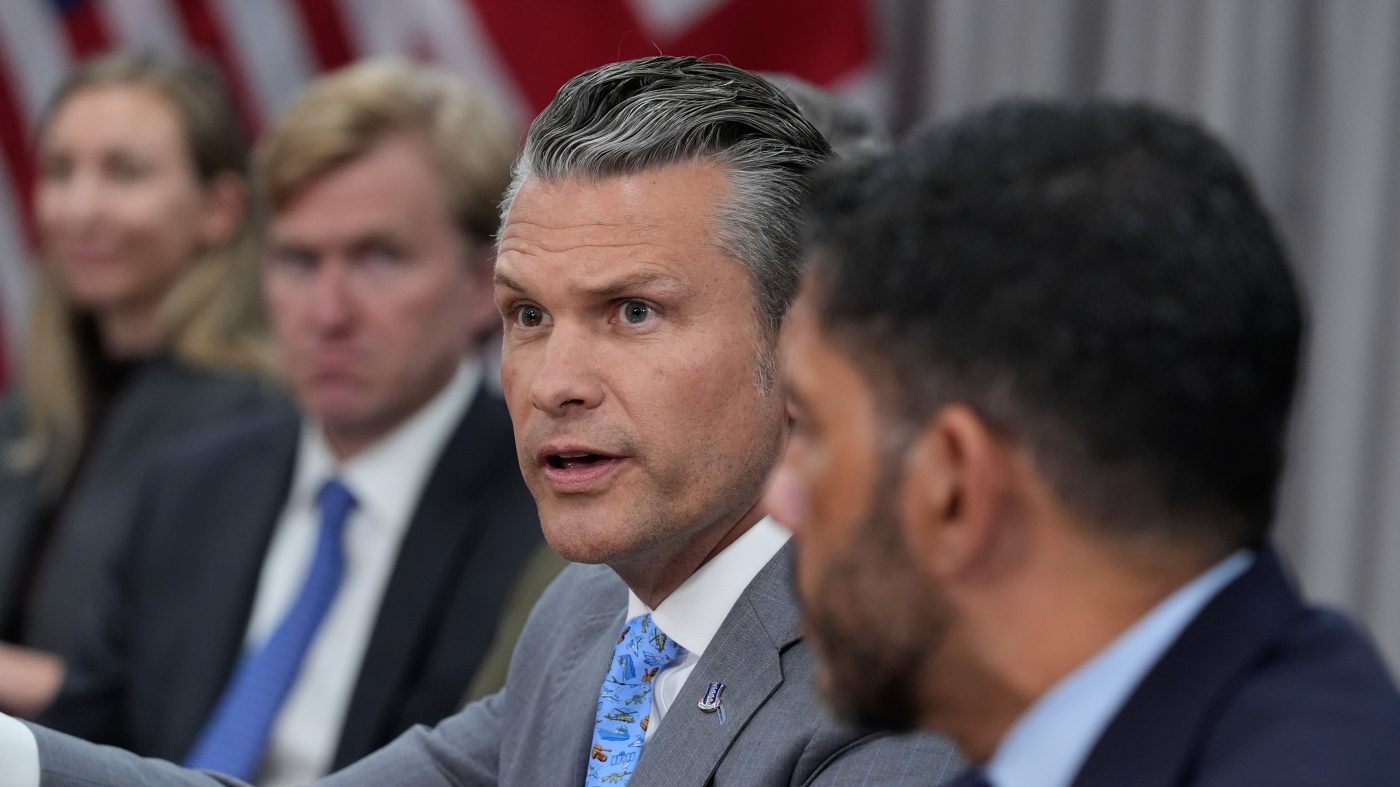
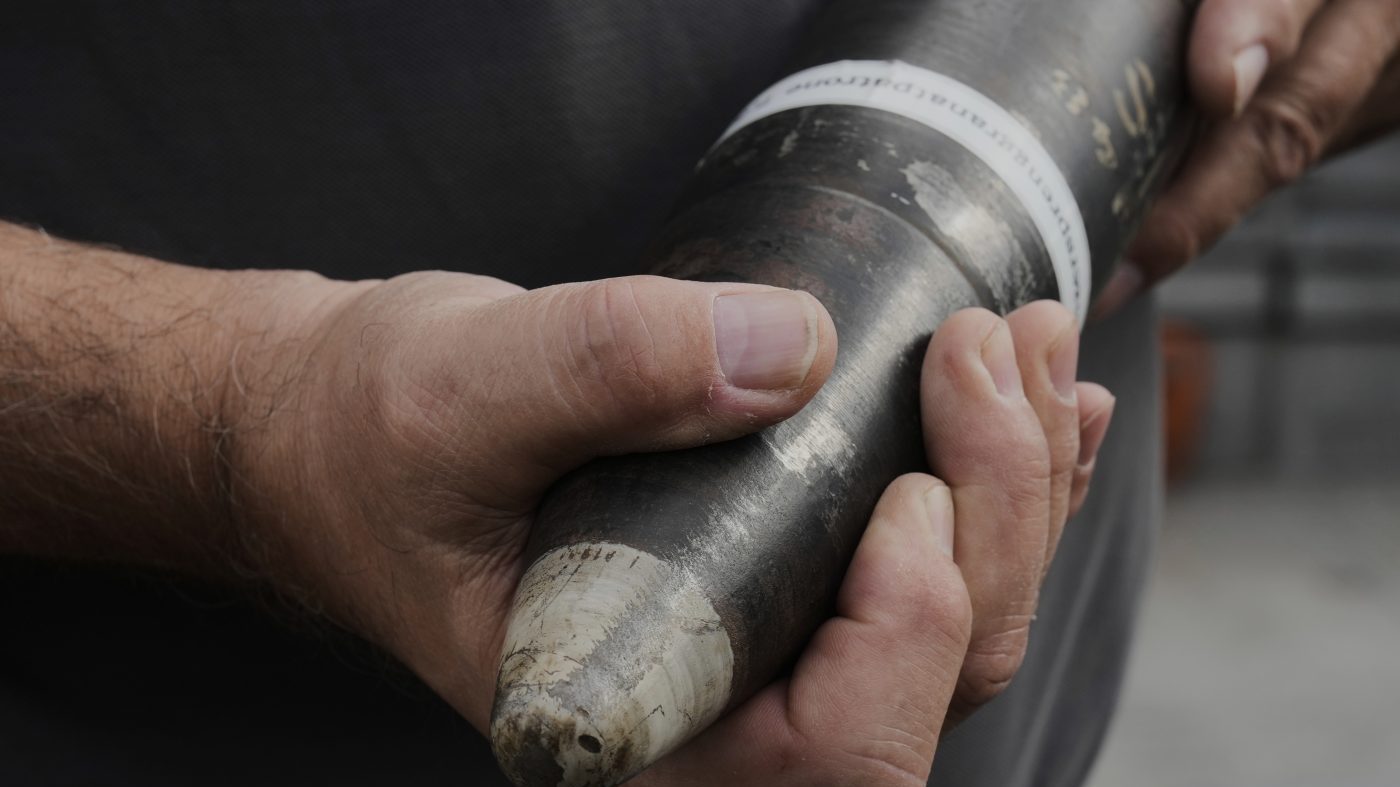
Senate Majority Leader John Thune (R-S.D.) told reporters he had not heard from the administration about a potential funding request. Media outlets reported in early April that the White House was preparing a request for an additional $80 billion to $100 billion, but no formal proposal has emerged. Meanwhile, Pentagon comptroller Jules Hurst told House lawmakers Tuesday that the cost of the war has reached $29 billion, a figure that is likely to rise.
The standoff echoes broader tensions over war powers and fiscal discipline, as seen in recent debates over Senate votes to halt pay during shutdowns and GOP pushback on security spending. For now, the path forward for Iran war funding remains uncertain, with the White House and Congress at an impasse.