Supporters of Ukraine in Congress notched a significant procedural victory Wednesday, as a discharge petition amassed the 218 signatures needed to force a bill bolstering Kyiv onto the House floor. The petition, spearheaded by Rep. Gregory Meeks (D-N.Y.), now compels consideration of the legislation over the objections of House GOP leadership.
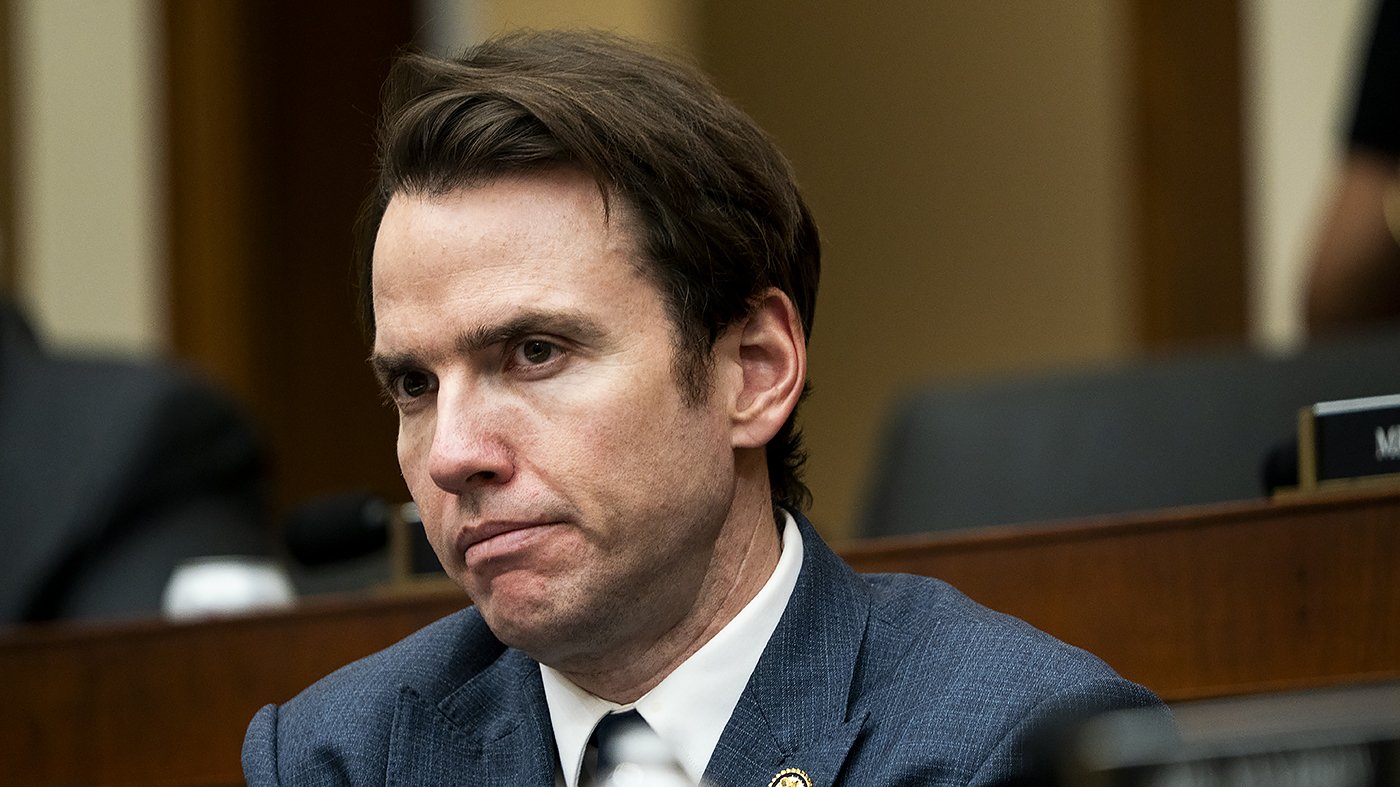
Rep. Kevin Kiley (I-Calif.), who left the Republican Party earlier this year, provided the decisive 218th signature Wednesday morning. He joins every House Democrat and two Republicans—Reps. Brian Fitzpatrick (Pa.) and Don Bacon (Neb.)—in backing the maneuver. The petition effectively bypasses Speaker Mike Johnson (R-La.) and his leadership team, who have declined to schedule a vote on the measure.

Kiley framed his support around dual objectives: strengthening Ukraine’s military position and deterring Russian support for Iran amid the ongoing U.S.-Iran conflict. “Recent Ukrainian gains have created an opportunity for peace, but the collapse of the recent ceasefire shows that leverage is needed for diplomacy to succeed,” Kiley stated. He added, “We must also send a strong message that Russian support for Iran’s targeting of U.S. military assets will not be tolerated.”
The Meeks bill, formally titled the Ukraine Assistance and Reconstruction Act, would affirm U.S. support for Ukraine, impose fresh economic sanctions on Russia, and fund post-war reconstruction. It also authorizes additional weapons and military funding for Kyiv. Crucially, the legislation declares unwavering U.S. support for NATO, a stance that puts it at odds with President Donald Trump, who has repeatedly attacked the alliance and threatened withdrawal—especially after several NATO allies declined to back U.S. and Israeli operations during the Iran war.
Trump’s criticism of NATO has intensified. Last month, he posted on Truth Social: “NATO WASN’T THERE WHEN WE NEEDED THEM, AND THEY WON’T BE THERE IF WE NEED THEM AGAIN.” The Meeks bill counters that narrative, asserting NATO’s continued relevance. The text states, “NATO remains vital to United States national security interests and the United States remains fully committed to defending its allies under Article 5 of the North Atlantic Treaty.”
The discharge petition’s success marks the sixth time this Congress that the procedural tool has reached 218 signatures—an extraordinary frequency for a mechanism that succeeded only a handful of times in the previous 25 years. Analysts point to the GOP’s razor-thin House majority and growing frustration with Johnson’s leadership amid election-year tensions between conservatives and moderates.
For many Republicans, the upcoming floor vote poses a dilemma. They face pressure to support a democratic ally against Russian aggression while avoiding antagonizing Trump, who has been cool to additional Ukraine aid. The dynamic echoes earlier splits within the party over foreign policy, as seen in Trump’s push for a longer ceasefire and Putin’s claims of nearing resolution.
The bill’s path to enactment remains uncertain. Even if it passes the House, the Senate would need to take it up, and Trump could veto any measure that challenges his NATO stance. But for now, Ukraine’s backers have forced a debate that GOP leaders sought to avoid, signaling a potentially pivotal moment in the ongoing struggle over U.S. foreign policy direction.