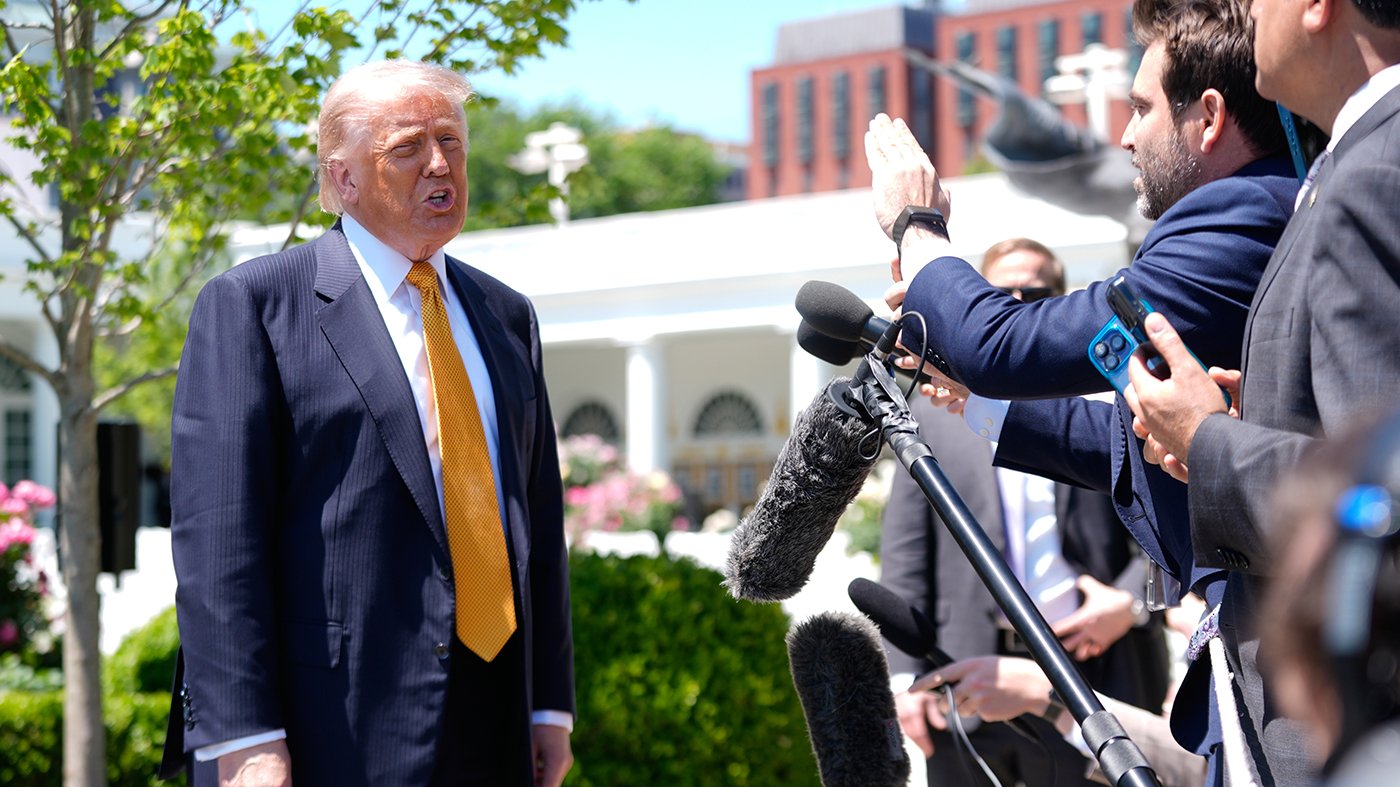
Republican senators are hitting the brakes on a $1 billion proposal to fund security upgrades for a new White House ballroom, casting doubt on whether the measure will survive next week's budget reconciliation markup. The plan, pitched by Secret Service Director Sean Curran during a closed-door lunch Tuesday, has drawn sharp questions from GOP lawmakers who say they need more justification for the massive price tag.
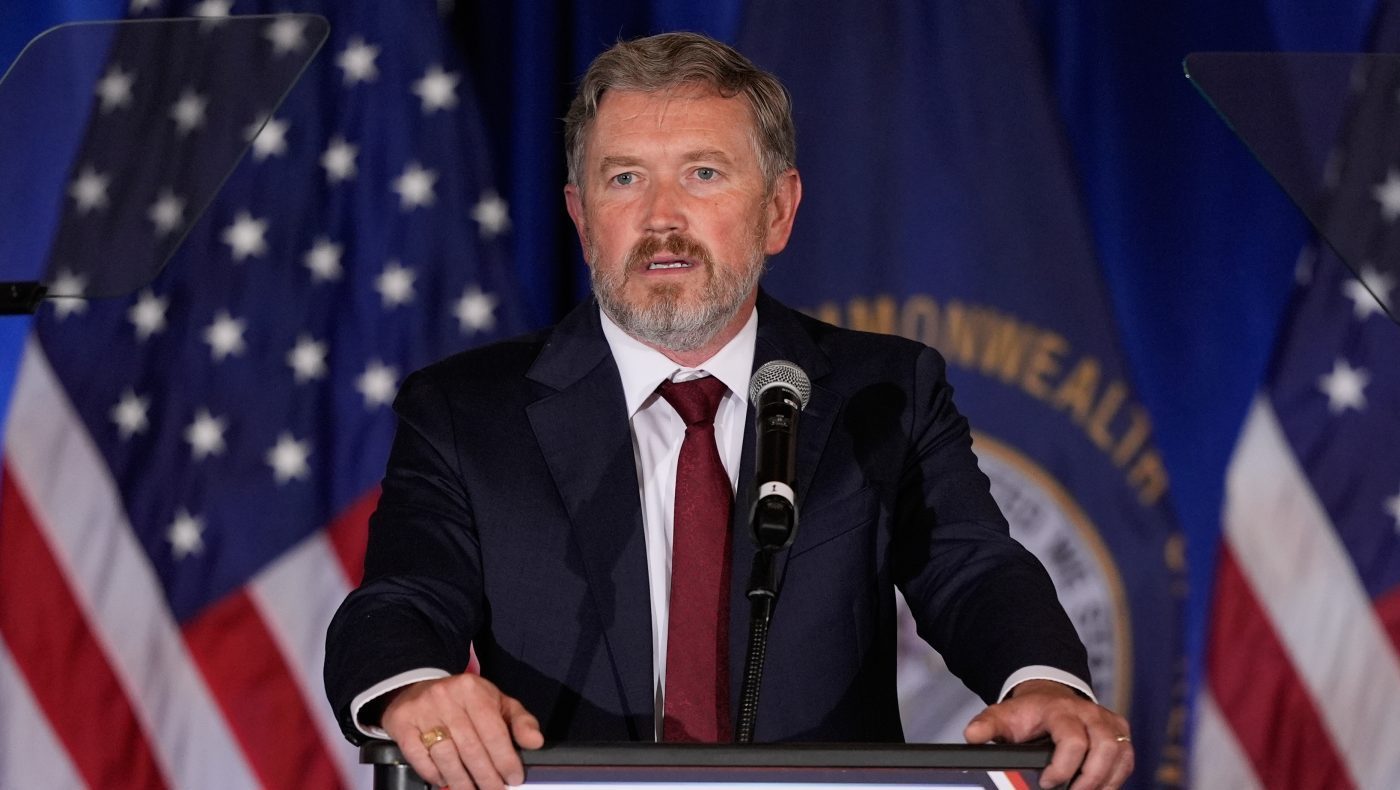
"I don't have the details I need to support it. It was one thing when private dollars were building it. If you're asking me for a billion dollars, I have some really hard questions," said Sen. John Curtis of Utah, reflecting a broader unease among his colleagues. The ballroom, initially projected at $200 million when President Trump announced the renovation in July, has seen its cost balloon to several times that amount, with the security package now estimated at $1 billion.
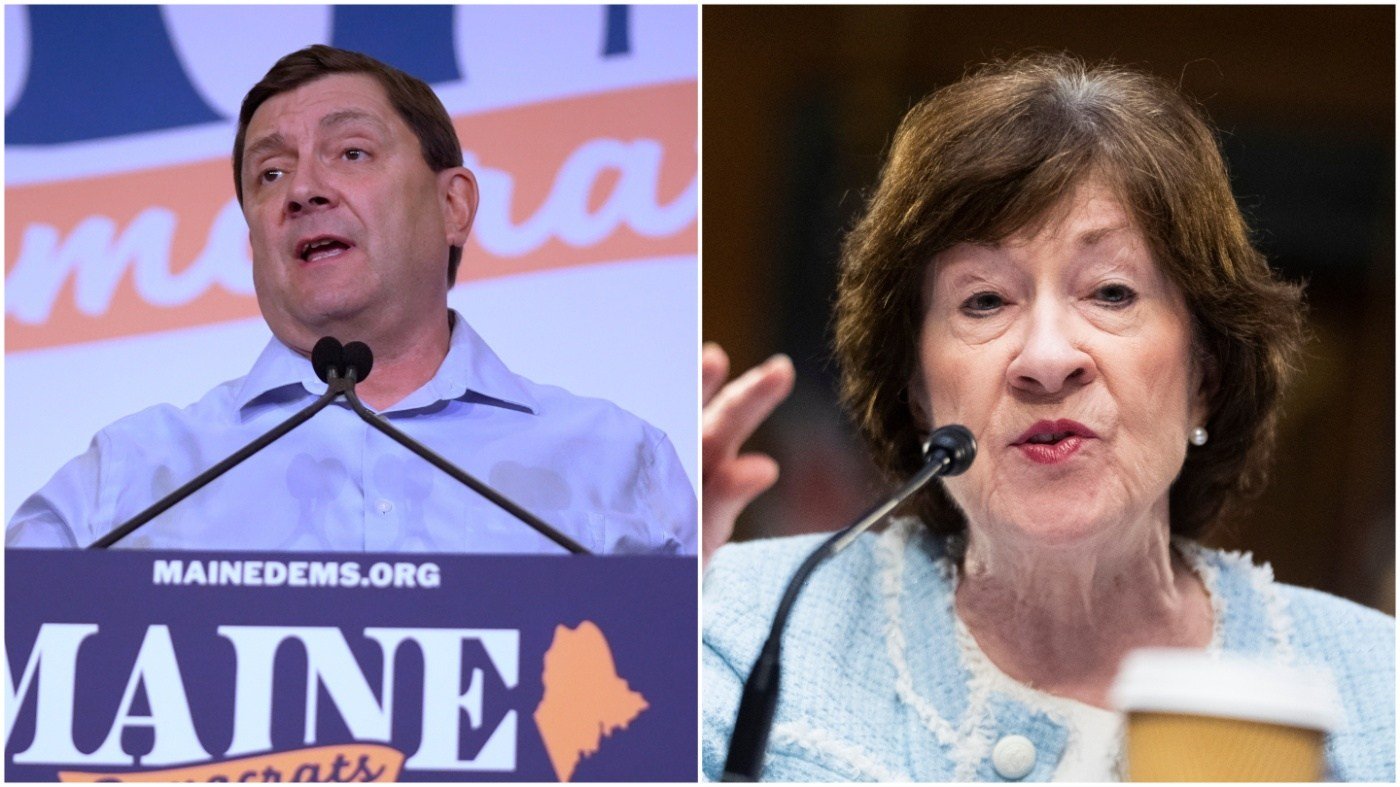
Senate Appropriations Committee Chair Susan Collins of Maine said she expects Trump to honor his pledge to fund the ballroom through private donations, but acknowledged Congress might need to cover "additional security." Collins, facing a tough reelection fight in November, added she had "no idea" where the $1 billion figure originated. "It should not be used for building the ballroom. It's my understanding there's going to be a bunker underneath," she noted.
Sen. Rand Paul of Kentucky, who chairs the Homeland Security Committee and will oversee the reconciliation markup, predicted the funding would be stripped from the bill. "I don't think it will be in there," he said. Paul's assessment aligns with growing GOP wariness, fueled by reports that Trump's repairs to the Lincoln Memorial Reflecting Pool cost over $13 million, far exceeding the $1.8 million initially announced.
The political stakes are high. Senate Democratic Leader Chuck Schumer has already weaponized the ballroom issue, branding Republicans as the "ballroom Republicans" and accusing them of prioritizing a "fancy, gold-plated" palace over cost-of-living relief. "At the very moment Americans are pleading for relief, Republicans are telling them: Pay for Trump's palace first," Schumer said, citing a CNN poll showing 77% of Americans believe Trump has raised their costs.
Sen. Thom Tillis of North Carolina warned that Democrats will use the funding to target vulnerable GOP incumbents in the midterms. "If I'm in the Democratic marketing department, I'm probably thinking of a lot of ways I would use this on targeted senators," he said, flagging the "potential consequences" of approving the expenditure. The political pressure is compounded by broader voter anger over issues like Trump's Iran policy and a feud with the Pope, as detailed in a recent analysis of midterm threats.
Curran told senators that only about 20% of the $1 billion would go directly to ballroom security, with the remainder allocated to other Secret Service priorities. However, the legislative language released by the Senate Judiciary Committee remains vague, authorizing "security adjustments and upgrades, including within the perimeter fence of the White House compound to support enhancements by the United States Secret Service relating to the East Wing Modernization Project." The ballroom will replace the historic East Wing, which Trump had demolished last year.
Senate Majority Leader John Thune of South Dakota described Tuesday's meeting as a "good back-and-forth," but acknowledged that many questions remain unanswered. With Republicans holding a 53-seat majority, the defection of just four or five senators could be enough to strip the funding from the reconciliation package. Senators like Lisa Murkowski of Alaska say they need clarity on the security rationale before signing off. "I need to understand what the security piece of it is. I just don't know," she said.
As the debate intensifies, the ballroom has become a flashpoint in the broader battle over federal spending, with both sides bracing for a contentious floor fight next week. For now, the proposal's fate hangs in the balance, with GOP senators demanding transparency and Democrats ready to exploit any misstep.