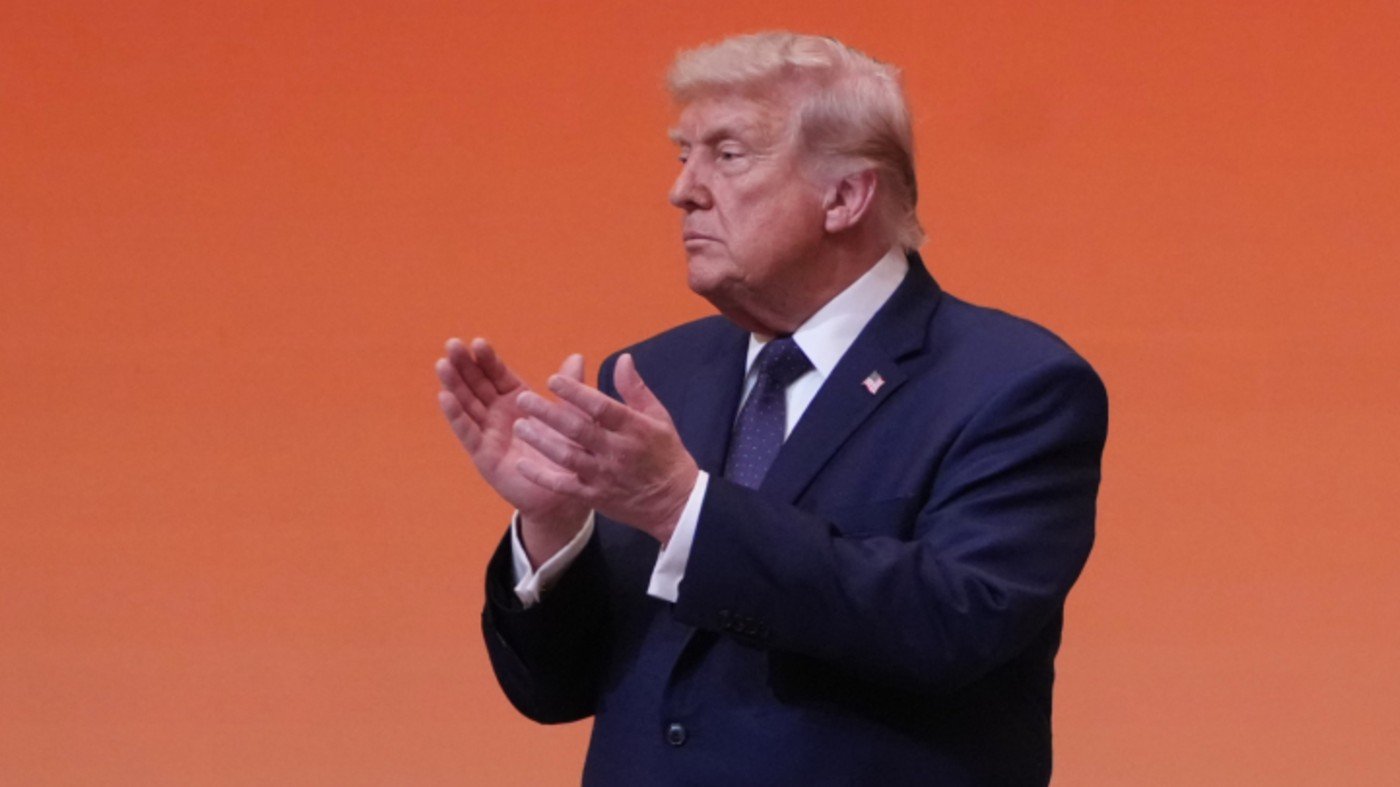
President Donald Trump revealed in a Fox News interview that Chinese President Xi Jinping agreed to a series of major purchases during their bilateral meeting in Beijing on Thursday. According to Trump, Xi committed to buying U.S. soybeans, additional oil and liquefied natural gas, as well as 200 Boeing 737 jets, signaling a potential thaw in trade tensions.
Speaking to host Sean Hannity, Trump said Xi also pledged to assist the United States on Iran, though specific details of that cooperation remain unclear. The full interview is scheduled to air Thursday evening.
The reported commitments come amid ongoing negotiations between the two economic superpowers. Boeing had been in talks to sell 500 of its 737 Max jets to China, and the company’s CEO, Kelly Ortberg, accompanied Trump to Beijing. The deal for 200 jets represents a significant but smaller portion of that earlier proposal.
Trump and Xi met for two hours and fifteen minutes, according to the White House press pool. A White House readout indicated the leaders discussed business, trade, the Iran conflict, and the Strait of Hormuz. Both sides agreed on the importance of keeping the Strait open for the free flow of energy, a critical chokepoint for global oil shipments.
“President Xi also made clear China’s opposition to the militarization of the Strait and any effort to charge a toll for its use, and he expressed interest in purchasing more American oil to reduce China’s dependence on the Strait in the future,” a White House official said. The two countries also concurred that Iran must never acquire a nuclear weapon.
The meeting’s outcomes build on earlier signals of cooperation. As Trump and Xi hailed a 'good meeting' at the start of the Beijing visit, the trade and security agenda took center stage. However, the discussions avoided some contentious issues, such as Taiwan and detained activists, which have long strained relations.
China’s commitment to buy more U.S. energy is seen as a strategic move to diversify its supply sources and reduce vulnerability in the Strait of Hormuz, a region where GOP senators have warned against funding an Iran war. The deal could also help lower the U.S. trade deficit with China, a key Trump administration goal.
While the announcements suggest progress, analysts caution that implementation remains uncertain. Previous agreements have faced hurdles, and the broader geopolitical context—including Xi’s warnings on Taiwan—could complicate future cooperation. The White House readout did not mention Taiwan or human rights, drawing criticism from some lawmakers.
For now, Trump’s statements to Fox News underscore a transactional approach to diplomacy, with clear economic deliverables tied to security cooperation. Whether Beijing follows through on these pledges will be closely watched in Washington and global markets.