In a quiet Dubai currency exchange, a man hands over $50,000 in cash, providing only a name and a destination. Hours later, the money reaches a recipient in Tehran. No bank, no wire transfer, no regulator—just a centuries-old system called hawala, running on trust and personal connections.
With a ceasefire in place and a naval blockade in the Strait of Hormuz, the Trump administration is intensifying its economic campaign against Iran. Yet this parallel financial system continues to operate beyond Washington's reach, even as the White House tightens sanctions and financial isolation.
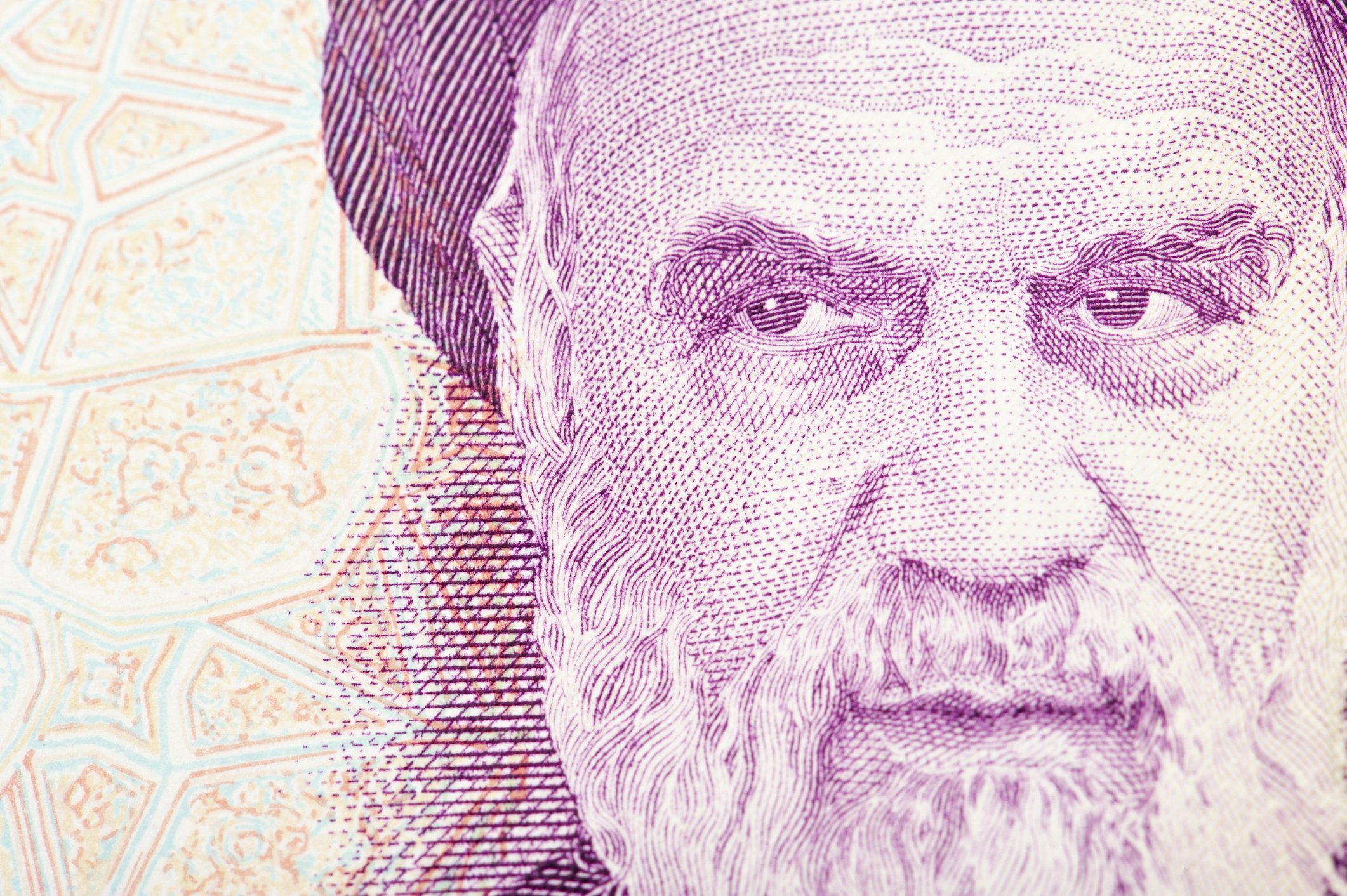
For over a decade, Iran has been largely cut off from global banking. Sanctions made cross-border money transfers difficult but not impossible. Instead of formal banking, Tehran relies on exchange houses, brokers, and informal networks across the Middle East—especially in Gulf Arab states. Hawala, derived from the Arabic word for "transfer," is a system built on reputation and relationships. Billions of dollars in Iran-linked funds move through the Gulf each year, much of it through these channels.
Hawala works simply: a sender gives cash to a broker in Dubai, Kuwait, or Istanbul. That broker contacts a partner in Iran, who pays the recipient the equivalent amount within hours. No money crosses borders; brokers settle accounts later through trade deals and off-the-books arrangements. This system has long served migrants across South Asia and the Middle East, but its opacity makes it a risk for sanctions evasion.
After 9/11, U.S. intelligence found that Osama bin Laden used hawala in Dubai to move funds quickly and quietly. Al-Qaeda shifted money through shorthand ledgers and fleeting records, leaving little trace. Law enforcement efforts have had limited effect because these networks are fragmented, informal, and hard to infiltrate.
In November 2025, The Wall Street Journal reported that proceeds from Iranian oil sales were routed through exchange shops in Dubai to Hezbollah in Lebanon via hawala. The money helped the Lebanese terror group rearm and rebuild its military infrastructure, supporting Iran's broader campaign against the U.S. and Israel. This is just one example of how these networks undercut the economic pressure Washington is trying to apply.
Hawala's speed and low cost keep it alive. Transfers often settle in less than 48 hours—faster than bank wires or Western Union—and typically cost just 1% to 5% of the sum. In Tehran's Ferdowsi exchange district, brokers openly advertise transfers to and from Europe or the U.S., violating UN and U.S. sanctions. Our analysis of Arabic and Persian social media shows how normalized these networks have become. Exchange houses on Instagram and Telegram advertise transfers from the Gulf to Iran, promising fast delivery and access to "all Iranian banks." Users contact a WhatsApp number, and brokers handle the transaction, sometimes arranging hand-carry delivery of cash into Iran.
Individual corridors move hundreds of millions—and in some cases, over a billion dollars—helping sustain the Islamic Republic and its proxy groups. As long as these networks operate openly in the Gulf, Washington's economic wall around Iran remains incomplete. The Gulf states have tried to crack down on some exchange offices, but they can only do so much, especially since migrant communities depend on them for cheap remittances. This lack of movement prevents the U.S. from fully isolating Iran, with consequences paid for in lives. Until Tehran feels the full weight of the world bearing down on it, its neighbors—and even those farther away—are still in danger.