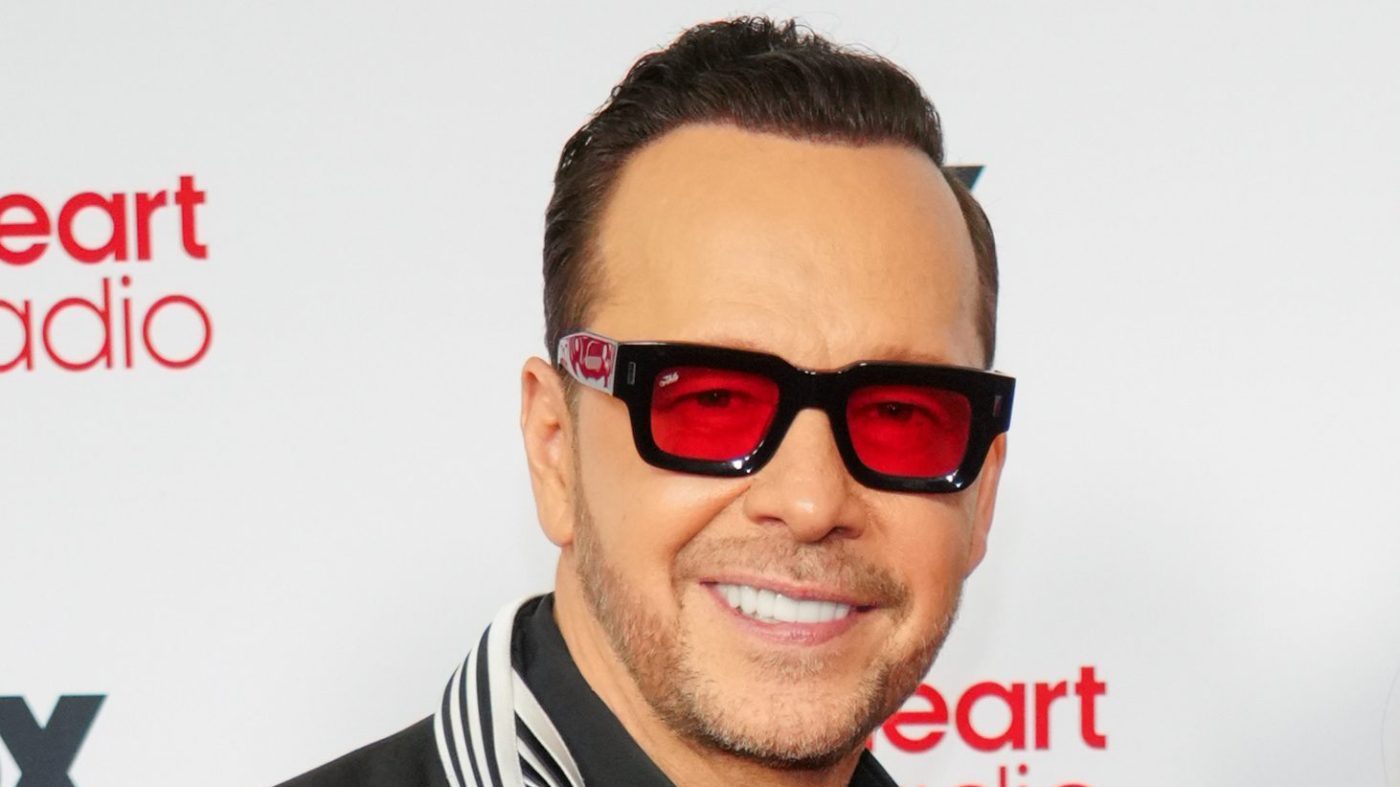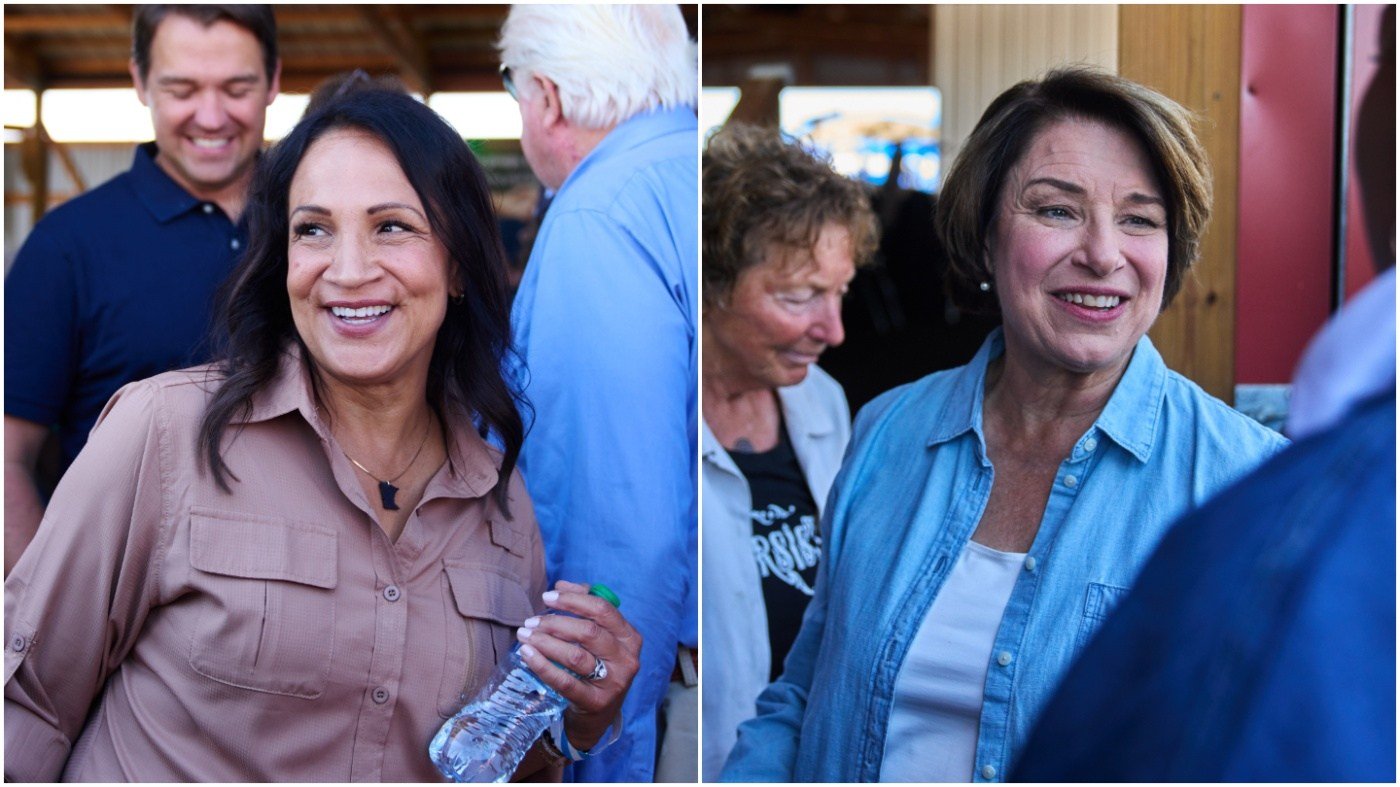
In two separate interviews conducted months apart on Long Island, author Malcolm Gladwell and former White House Press Secretary Dana Perino—figures from vastly different ideological and audience worlds—arrived at a strikingly similar prescription for America's deepening political exhaustion: relax your grip on certainty and start listening.
Gladwell, the bestselling chronicler of human behavior whose works like The Tipping Point and Revenge of the Tipping Point dissect how societies think and change, told me: “Hold your values close, but your ideas loosely.” It's an elegant call to leave room for the possibility that you don't have the whole truth—a notion that has become almost radical in today's politics. But as the Founding Fathers understood, democracy depends on testing assumptions and finding common ground. Disagreement isn't a threat; it's a safeguard.
Weeks later, Perino echoed nearly the same sentiment while discussing her new novel, Purple State. “I encourage people to wear their politics loosely,” she said. The book centers on Dot Clarke, a Democratic operative from New York who moves to Wisconsin hoping to flip a deeply Republican congressional district—only to fall for local Republican Danny Dawson. In one pivotal scene, a family friend explains to Dot why voters who once reliably supported Democrats now vote overwhelmingly Republican, citing economic frustration and a sense that national Democrats no longer understand their lives. Dot's instinct is to argue back, correct the facts, win the debate. But she stops herself. She listens.
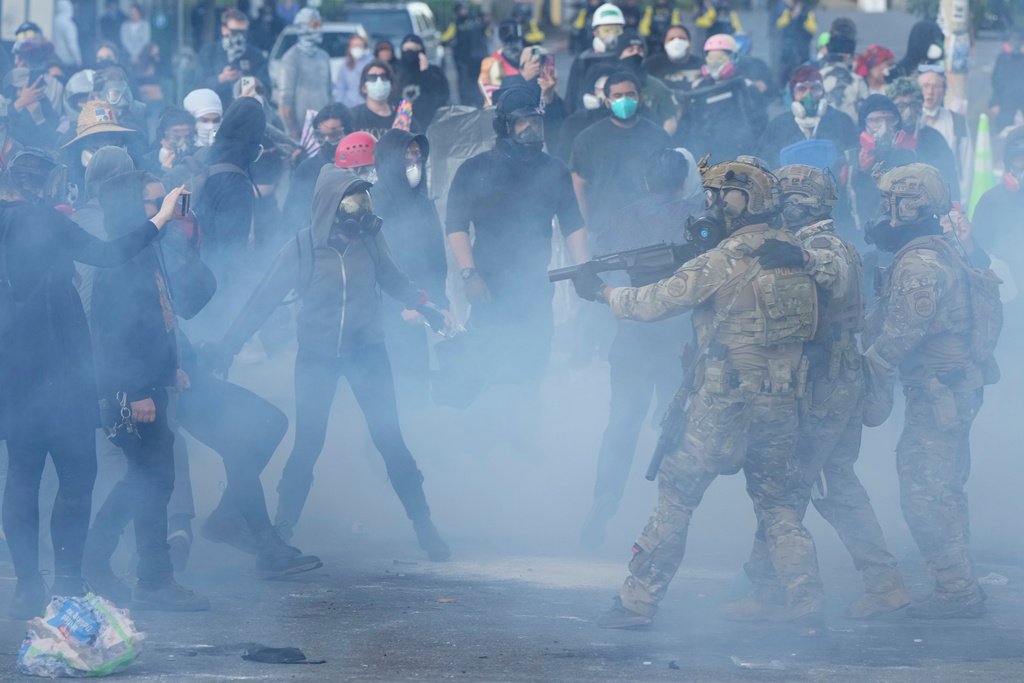
“We have to listen to each other more,” Perino told me. That message cuts against the grain of today's political culture. Social media has turned conversation into performance, with algorithms rewarding outrage and tribal loyalty. Nuance vanishes; curiosity looks weak. Every disagreement becomes a moral emergency. Americans retreat into ideological echo chambers where shouting drowns out listening.
“We clench our arguments like fists and let our political identity harden into a personal identity,” the article notes. But outside the fever swamps of cable and Twitter, most Americans don't live that way. They hold conflicting views—worried about both inflation and democracy, valuing freedom and stability, distrusting institutions yet hoping they can work. America isn't simply red or blue; it's a complicated shade in between, and that middle ground is where democratic citizenship actually lives.
As the nation approaches its 250th anniversary, it's worth remembering that the Founders built a republic on disagreement managed through compromise. They knew no faction could permanently impose its will. That responsibility now falls to us. We don't need to abandon our principles, but we must leave room for the possibility that people we disagree with may hold valid experiences and pieces of truth we can't see. That requires patience and discipline—suspending judgment long enough to understand why someone thinks the way they do.
While many political books today aim to inflame rather than illuminate, Perino's novel takes a different path, offering a hopeful message: our shared humanity is more durable than our ideology. Like The American President, one of the great political films, Purple State suggests that if politics can't always unite us, personal relationships still can. Perhaps that's where the country begins to find its way back.
This call for listening and loosening political identity resonates with broader trends. In red-state America, some argue Democrats have abandoned their own voters, while Virginia Democrats take redistricting fights to the Supreme Court, illustrating the high stakes of political division. Yet as Gladwell and Perino remind us, the path forward may be less about winning every battle and more about wearing our politics loosely—and listening.