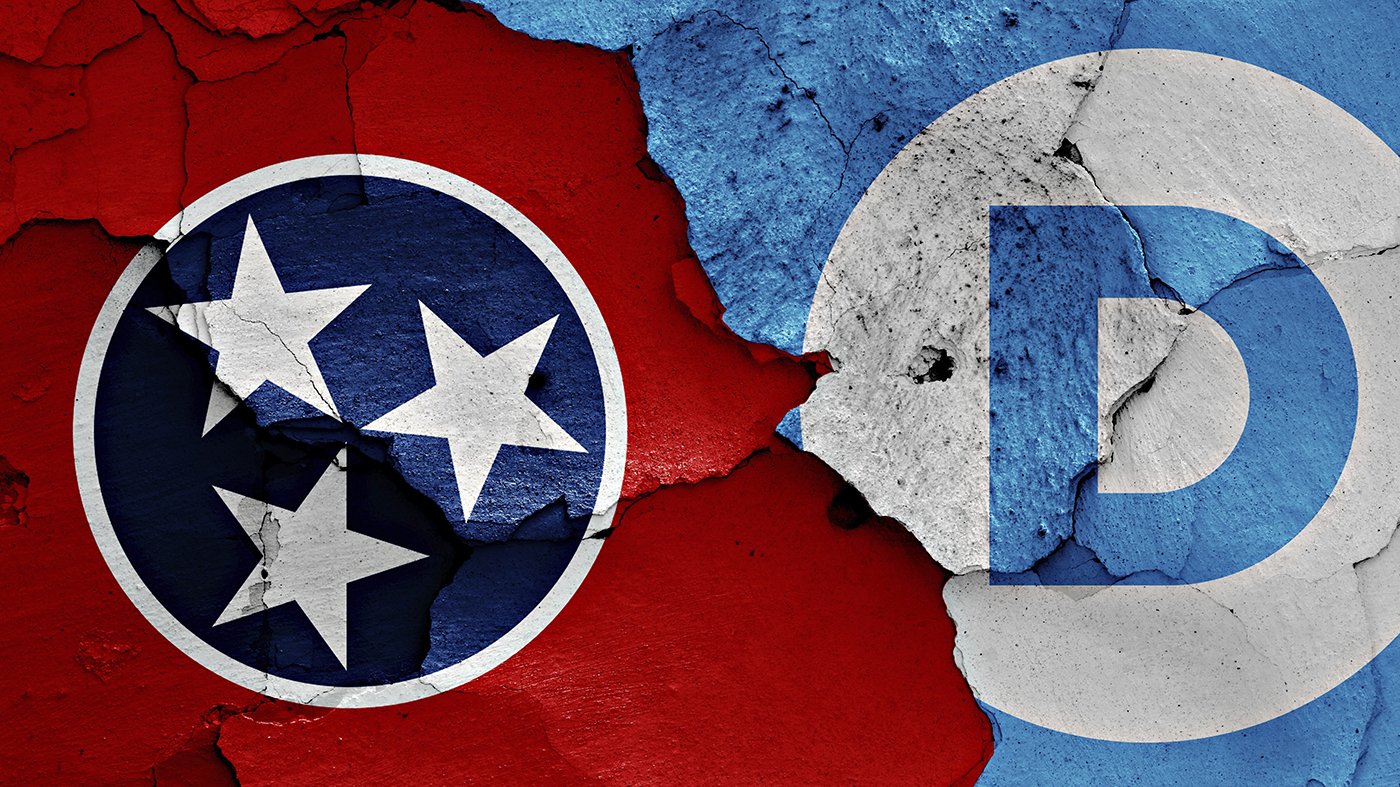
At the Old Fort Restaurant in Cleveland, Tennessee, Don and Amanda Willoughby are the kind of Democratic voters the party claims to champion—but rarely reaches. In their early seventies and semiretired, they are rare blue dots in a sea of MAGA red, surrounded by a community that voted for Donald Trump by more than 78 percent in 2024.
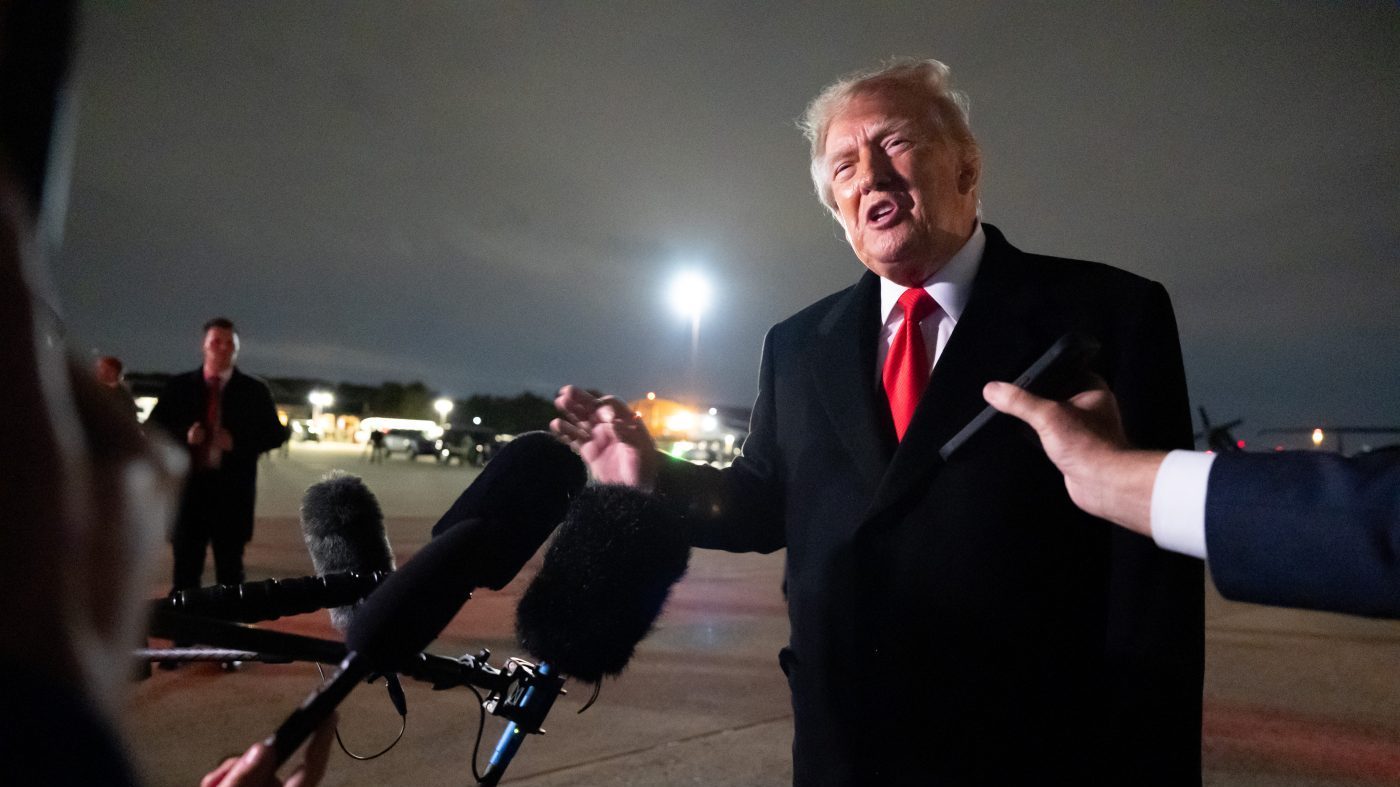
Don, a regular at a bimonthly Texas Hold'em tournament that draws bricklayers, lawyers, county officials, painters, insulation workers, cops, and former prisoners, doesn't talk politics much. But when he does, he advises, “You need to check where you’re getting your news.” His wife Amanda is more blunt: after the election, she says she “want[s] to vomit every time he comes on TV” and flashes double middle fingers when discussing the victor.
The couple’s frustration isn’t just with Trump. It’s with the Democratic Party itself. “Democrats have abandoned Amanda and Don too,” writes Scott Ferson in his new book How the Democrats Lost America: Making Sense of the 2024 Election and the Future of American Politics, from which this article is adapted. The billions spent each cycle, they say, never reach places like Bradley County.
A Media and Faith Landscape That Backed Trump
Cleveland sits in the heart of the Bible Belt, home to the Church of God’s headquarters and an estimated 300 churches for just over 100,000 residents. Amanda argues that both the media and local religious institutions lined up behind Trump, convincing the faithful that “God appointed Trump and he’s the savior.” Don laments the “massive flow of garbage” in news, saying he seeks “the middle” but finds it vanishing.
The Willoughbys are careful in public. At the packed diner, with Bible verses on the walls, Amanda keeps her voice low. But their isolation is a symptom of a broader problem: the party’s strategy, focused on coastal and urban centers, leaves rural and red-state Democrats feeling invisible. This disconnect echoes in other battlegrounds, as Democrats face an uphill battle in Florida Senate races despite strong fundraising.
The 2024 Election They Got Wrong
This was the first presidential election Don has ever called wrong. Amanda was shocked too, “because I didn’t think people were that stupid.” Their home is open to those down on their luck, embodying the values they wish the party would champion more visibly in red states. But the national Democratic machine, they feel, has written off their region.
Ferson’s book argues that this neglect is a strategic failure. While party leaders focus on mobilizing base voters in blue strongholds, they ignore the grassroots work needed in places like Tennessee. The result: even loyal voters like the Willoughbys feel abandoned, left to fight alone in a political landscape that seems to have no room for them.
The experience in Cleveland mirrors a national trend. In Southern GOP states rushing to redraw maps after Supreme Court rulings, Democratic voters are increasingly marginalized. And the media’s focus on Trump’s every move, Amanda says, “won the election for Trump.”
Leaving the diner, one is struck by the chasm between the reality on the ground in red America and the coverage from blue America. The Willoughbys are a reminder that the Democratic Party’s path to winning back the White House may require listening to the voters it has left behind.