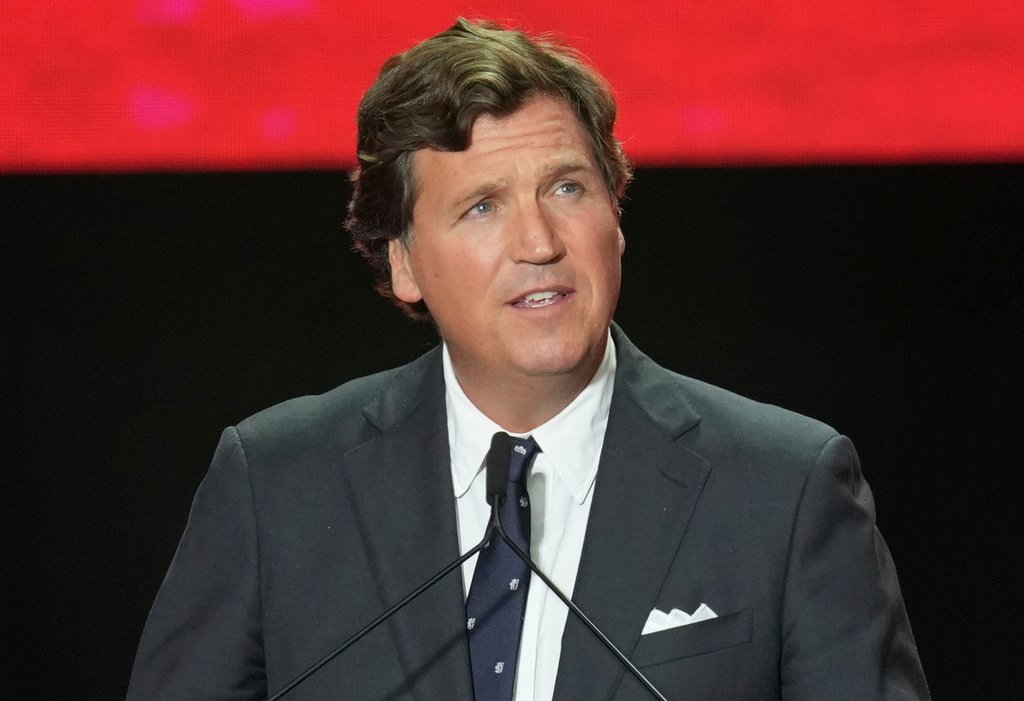
Tucker Carlson has quietly climbed to 7 percent on Polymarket, the prediction market for the 2028 Republican presidential nomination. That figure may seem modest, but for a man with no campaign, no exploratory committee, and no party infrastructure, it is a startling signal of political gravity. The last time a political outsider drew this kind of attention without a formal bid, his name was Donald Trump.
Carlson himself has refused to close the door. In a recent interview with Piers Morgan, he mused that the chance to debate and dismantle Senator Ted Cruz might be reason enough to enter the race. Cruz, who has long harbored presidential ambitions, is a favorite target for Carlson’s brand of populist scorn. If he runs, the pundits who dismiss the idea as absurd should recall that they said the same about Trump a decade ago.
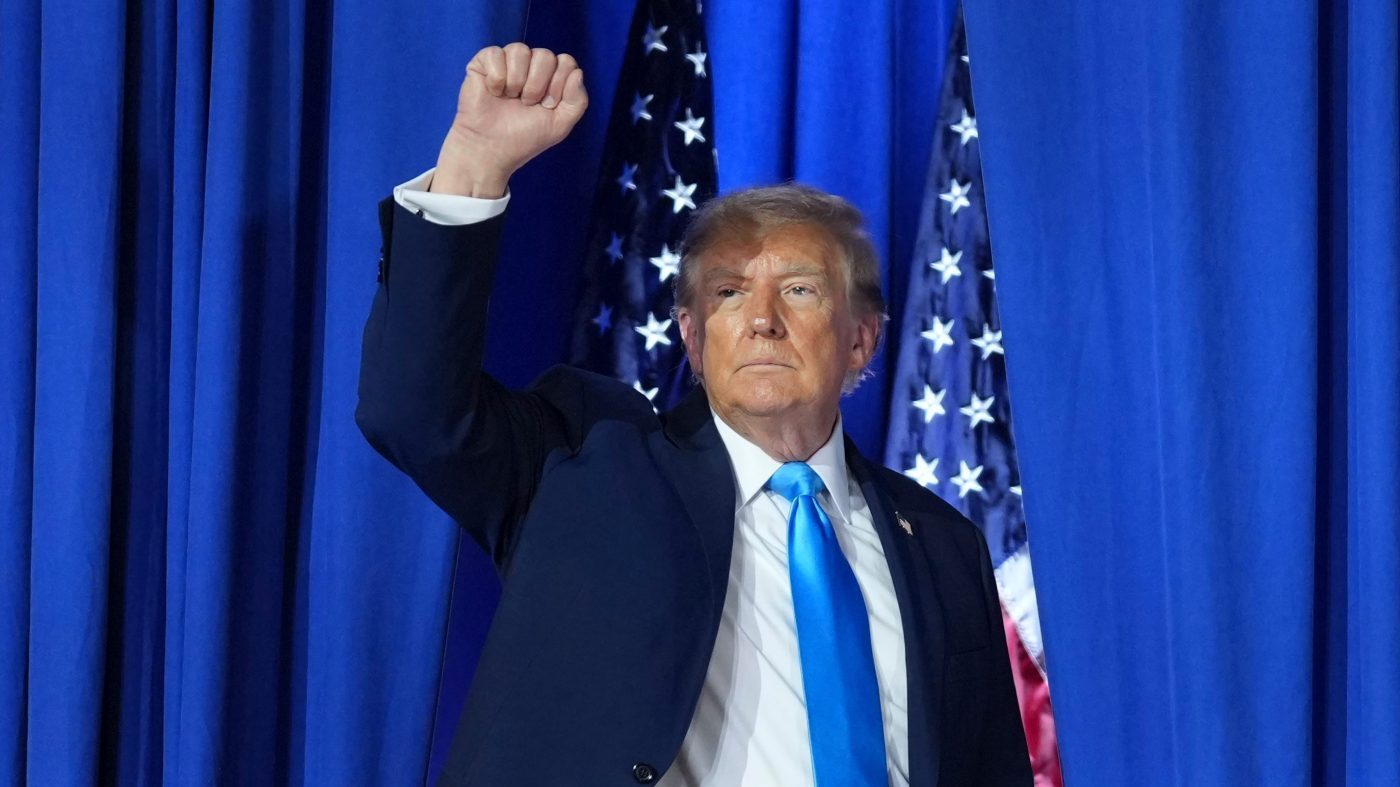
Behind the numbers lies a broader political storm. President Trump’s job approval has sunk to 34 percent, the lowest of his second term. The share of Americans who believe Trump keeps his promises has fallen to 38 percent, down from 51 percent just after his 2024 reelection. Among Hispanic Trump voters, approval has dropped 27 points since early 2025. Even within the GOP, the share calling him a promise-keeper has slipped 14 points. The base is restless, and it is looking for a new standard-bearer.
Carlson’s recent break with the White House over U.S. military action in Iran looks less like a tantrum and more like a calculated move. He has staked out the isolationist, “America First” wing of the party, denouncing the Iran strikes as “absolutely disgusting and evil.” While Trump drifted into another Middle East conflict, Carlson held the anti-war line that originally animated the MAGA coalition. That positioning has earned him the public endorsement of former Representative Marjorie Taylor Greene, who said Carlson “would beat Trump if he ran.” Though Trump is term-limited, Greene’s point was emotional: the affection once reserved for Trump has migrated to Carlson.
Structurally, Carlson possesses what no other potential candidate can match: an unmediated audience of hundreds of millions across YouTube and X, built after his 2023 ouster from Fox News. Vice President JD Vance has the vice presidency; Secretary of State Marco Rubio has the State Department. Carlson has the megaphone, the mailing list, and the loyalty of voters who feel betrayed by the very people Vance and Rubio serve. He can reach ten million people at dinner without a network’s permission. And he talks—at length, on topics ranging from Washington corruption to supernatural afflictions.
Carlson also plays the role of the relatable everyman: flannel shirts, log cabin dispatches, a “Duck Dynasty” aesthetic. Never mind that he owns a multi-million-dollar beach house in Boca Grande, Florida, where dock fees would bankrupt most of his viewers. Authenticity in politics is performance, and Carlson understands the role perfectly. Many of his fans know the truth but don’t care because he taps into something primal.
The risks are real. Cruz has already called Carlson complicit in evil over his interview with white nationalist Nick Fuentes. That previews the attacks from the party’s hawkish flank. Carlson’s foreign policy views put him at odds with donors; his guest list puts him at odds with columnists. But he commands more loyalty than any elected official in Washington. If he runs, the early primary calendar favors him: Iowa rewards retail charisma and grievance fluency, New Hampshire loves a contrarian, and South Carolina favors a fighter. By the time the establishment coalesces behind a single alternative, the field may already be his.
The 7 percent on Polymarket is less a ceiling than a starting line. Carlson is beating senators who have been running for years without a campaign of his own. The next move is his. The party may not be ready, but his audience certainly is. For more on the shifting GOP landscape, see analysis of Trump's 'Republican Socialism' break with conservatism and the internal GOP rift over Iran war powers.