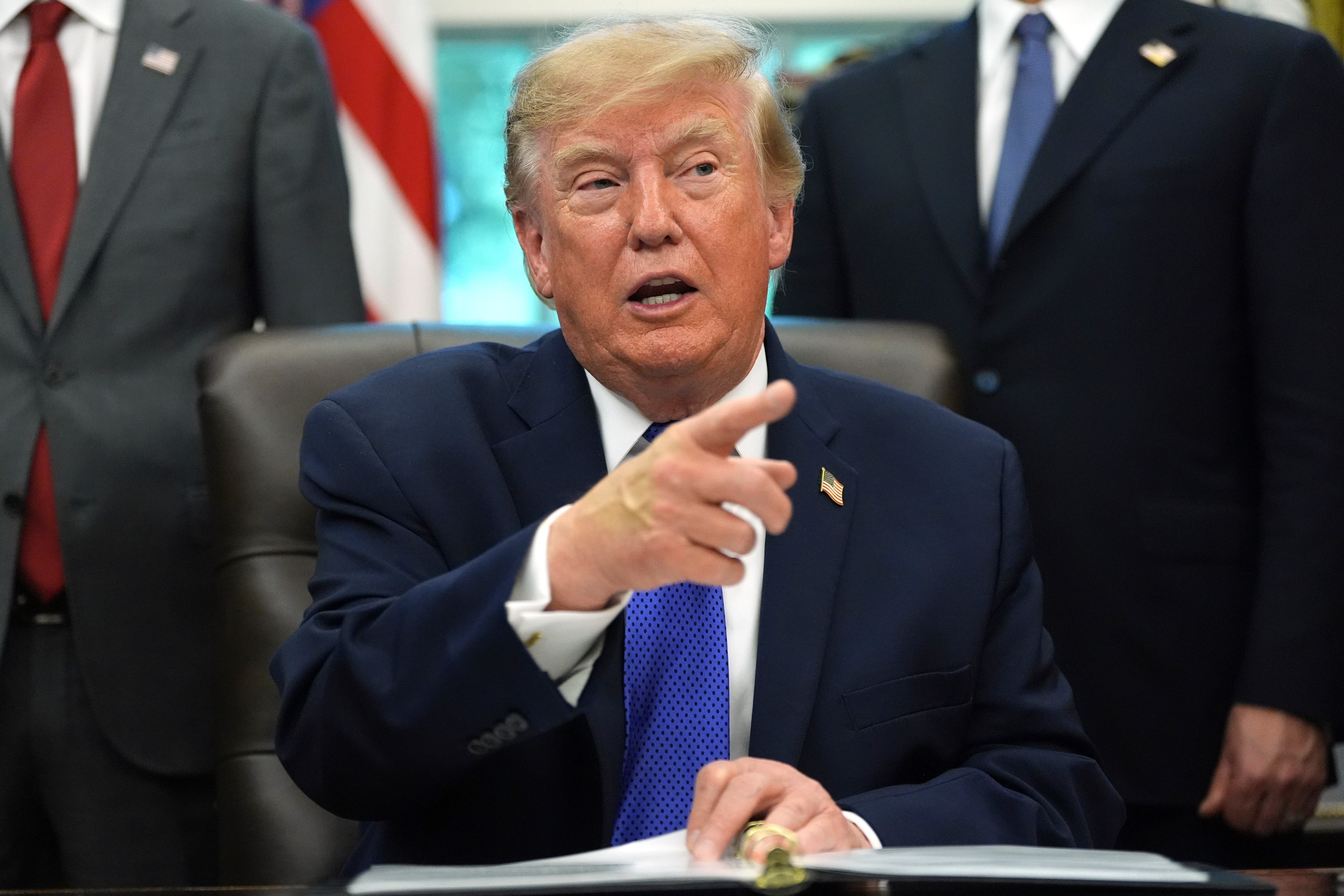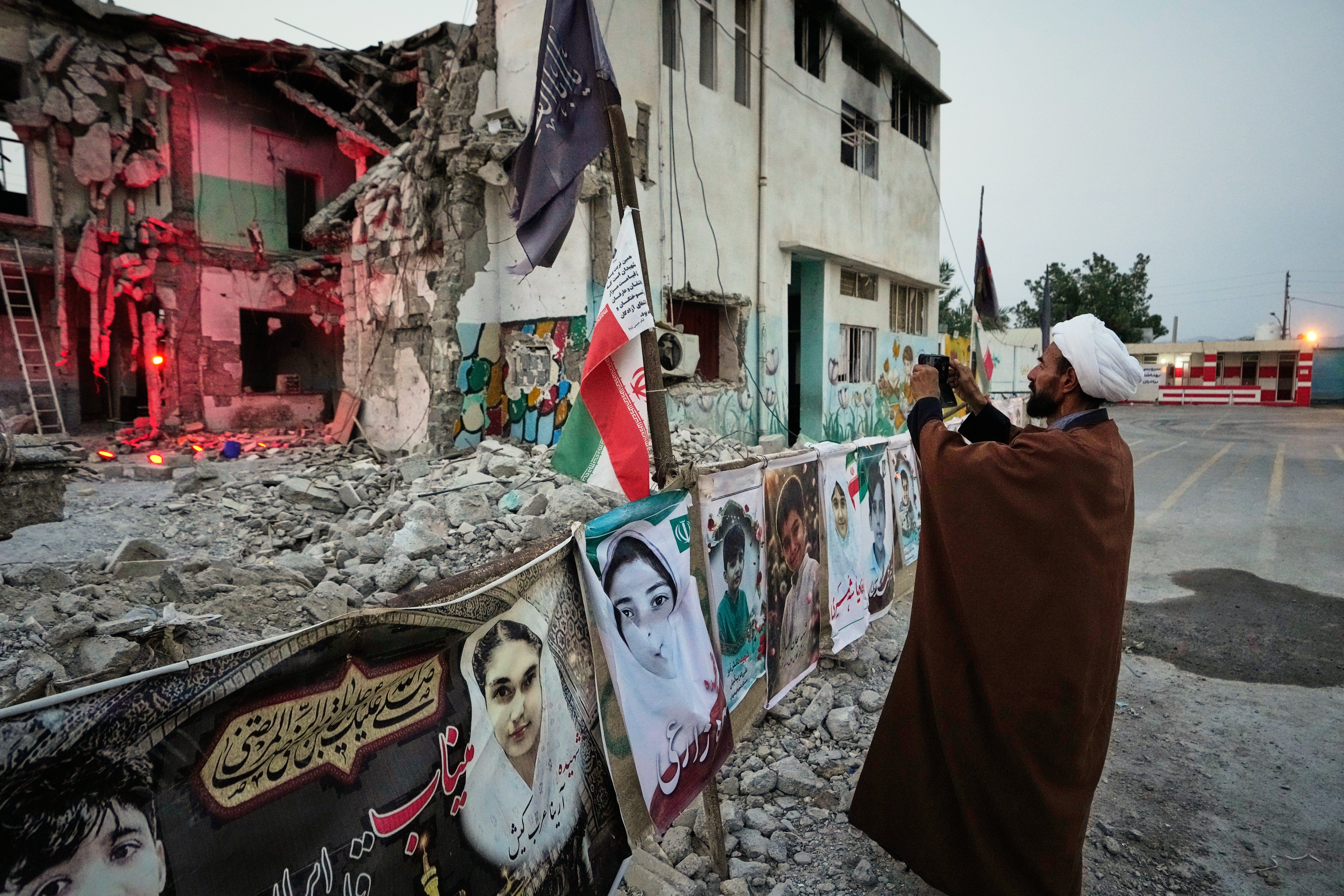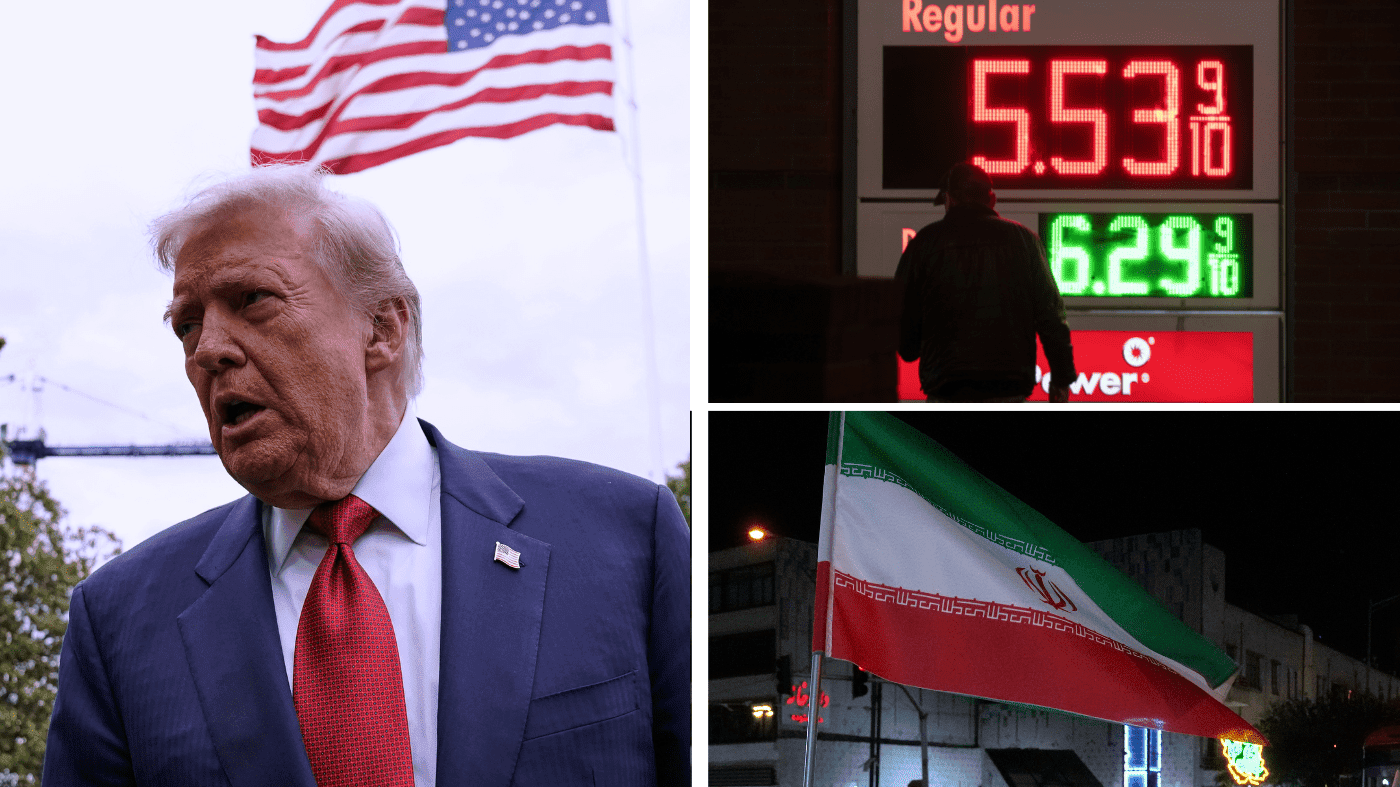
The White House’s messaging on Iran has descended into a fog of contradictions this week, with President Trump simultaneously threatening annihilation and pursuing a negotiated settlement, even as the cost of gasoline climbs toward a national average of $4.53 per gallon.
Trump launched Project Freedom on Sunday, a military mission to escort commercial vessels through the Strait of Hormuz, a critical chokepoint for global oil supplies. By Monday, U.S. Central Command reported two American-flagged ships had successfully transited the waterway, with several others following under naval protection. The operation was meant to restore shipping traffic that has been largely paralyzed since the conflict with Iran erupted ten weeks ago.

But the show of force was immediately undercut by conflicting narratives. Iranian state media claimed a U.S. naval vessel had been struck by two missiles, a charge Centcom flatly denied. Trump, in a Fox News interview, warned that Iran would be “blown off the face of the Earth” if it interfered. Yet Defense Secretary Pete Hegseth insisted the fragile ceasefire remained in effect, even as U.S. forces destroyed six Iranian boats in what officials described as a defensive response to attacks on American warships and the United Arab Emirates.
Iran’s Parliament Speaker Mohammad Bagher Ghalibaf accused Washington of violating the truce, writing on X that “the security of shipping and energy transit has been jeopardized by the United States and its allies.” He added that Tehran’s “evil will diminish,” signaling continued defiance.
The whiplash intensified on Tuesday evening, when Trump abruptly paused Operation Freedom—just 48 hours after it began—citing progress in peace talks. Sources told NewsNation that the U.S. and Iran were nearing a permanent agreement to end hostilities and establish a framework for negotiations on Tehran’s nuclear program. A leaked one-page memorandum would commit Iran to a 10- to 20-year moratorium on uranium enrichment in exchange for lifting U.S. sanctions and releasing billions in frozen Iranian assets. Both sides would also gradually lift their blockades on the Strait of Hormuz over 30 days.
The deal has drawn fire from conservative media figures and pro-Israel advocates, who warn that easing the blockade could cede leverage just as Iran faces economic strain. Trump himself threatened on Truth Social: “If they don’t agree, the bombing starts, and it will be, sadly, at a much higher level and intensity than it was before.” He later described a U.S. strike on Iranian military facilities as a “love tap” and said any resumption of fighting would leave “one big glow coming out of Iran.”
By Friday, Secretary of State Marco Rubio, after a meeting with Pope Leo XIV at the Vatican—a session Rubio called “cordial” even as the Trump-Pope feud over Iran escalated—said Washington expected Tehran’s response that night. “Their system is still highly fractured and a bit dysfunctional as well, so that may be serving as an impediment,” Rubio noted. Iran’s Foreign Minister Abbas Araghchi countered on X, accusing the U.S. of opting for “a reckless military adventure” whenever “a diplomatic solution is on the table.”
The erratic signals come as global oil markets wobble. Brent crude hovered around $100 per barrel, and AAA reported the national average gas price hit $4.53 on Saturday. The turmoil has handed strategic leverage to competitors, as the Gulf crisis hands China leverage ahead of Trump’s summit with Xi Jinping in Beijing, complicating the president’s trade and foreign policy agenda.
Trump declined to say whether he had heard back from Tehran on the deal Friday evening, as multiple outlets reported the sides remained far apart on key points. The confusion has left allies, markets, and even some within his administration struggling to discern a coherent U.S. strategy—raising the stakes as the standoff enters its most volatile phase yet.