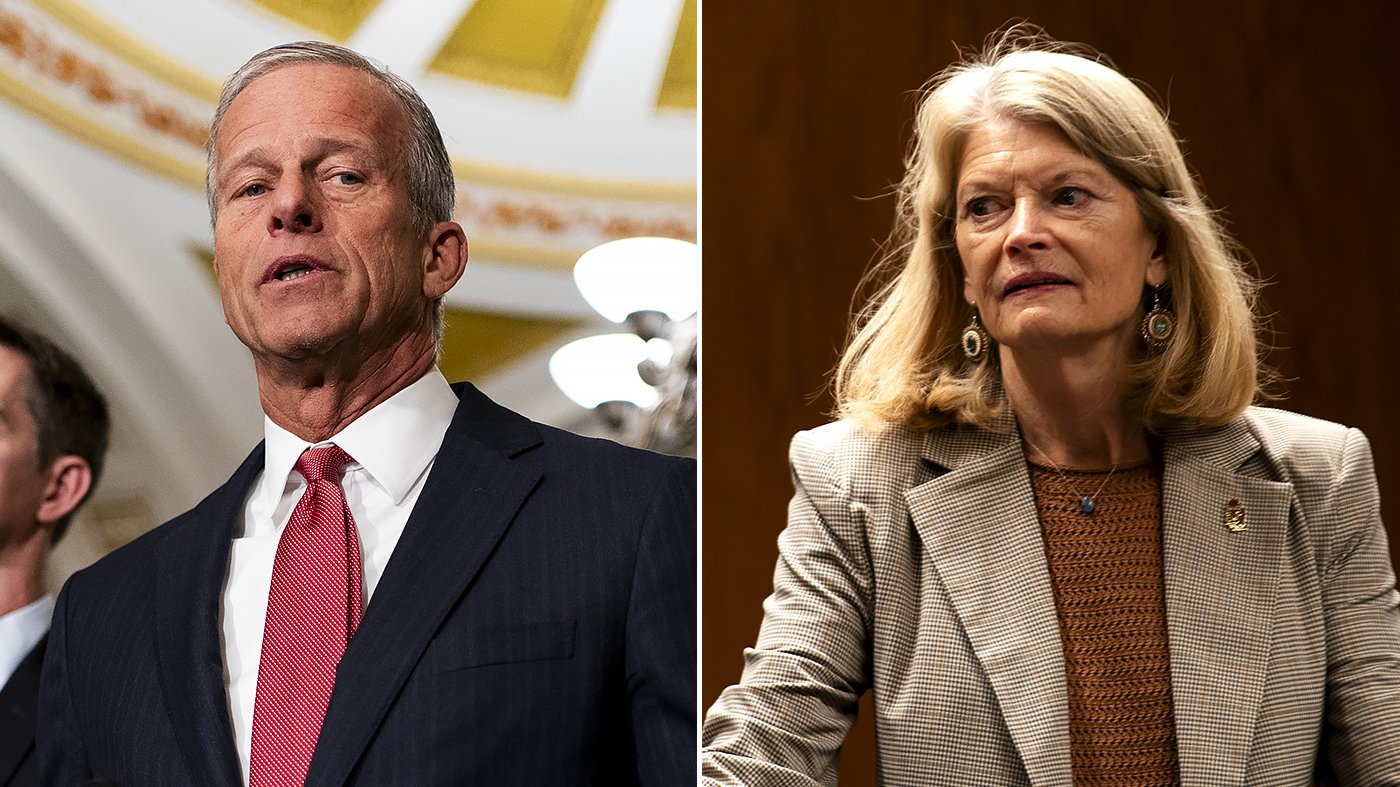
Sen. Lisa Murkowski (R-Alaska) is spearheading an intra-party rebellion to compel a Senate vote on a resolution authorizing the use of military force against Iran beyond the 60-day limit set by the 1973 War Powers Act. But Senate Republican Leader John Thune (S.D.) is showing little enthusiasm for scheduling a vote that would force GOP senators to go on record supporting an unpopular conflict.
According to Senate Republican sources, Murkowski's measure lacks privileged status, meaning she would need Thune's cooperation to bring it to the floor. With a packed legislative calendar, Thune appears unlikely to clear space for a vote that could politically damage his conference just months before the midterm elections.
The standoff creates a delicate political calculus: if Murkowski fails to secure a vote on her authorization measure, several Republicans may defect to support a Democratic-sponsored resolution ordering President Trump to withdraw U.S. forces from operations against Iran. Democrats are betting that Republican reluctance to formally authorize the war will backfire, handing them a powerful campaign issue.
Democrats are expected to uniformly oppose any authorization-of-force resolution—with the sole exception of Sen. John Fetterman (Pa.)—preferring instead to force Republicans to choose between backing an unpopular war or breaking with Trump. Polling shows a majority of voters oppose the conflict, making a recorded vote a political liability for the GOP.
Murkowski is courting support from a bloc of Republican colleagues, including Sens. Thom Tillis (N.C.), John Curtis (Utah), Todd Young (Ind.), and Josh Hawley (Mo.), who have all warned that Congress must authorize the campaign if it extends past 60 days. The five senators have consistently argued that the legislative branch needs a greater say in the duration and scope of military operations.
Trump notified Congress of strikes against Iran on March 2, triggering the 60-day War Powers clock, which expired on May 1. Murkowski took to the Senate floor last week to argue that Congress must vote to “establish a framework” requiring the president to present “clearly defined political and military objectives.” She emphasized that such a resolution would demand “metrics for success, notice of any changes in objectives, and exit criteria,” ultimately ensuring congressional engagement.
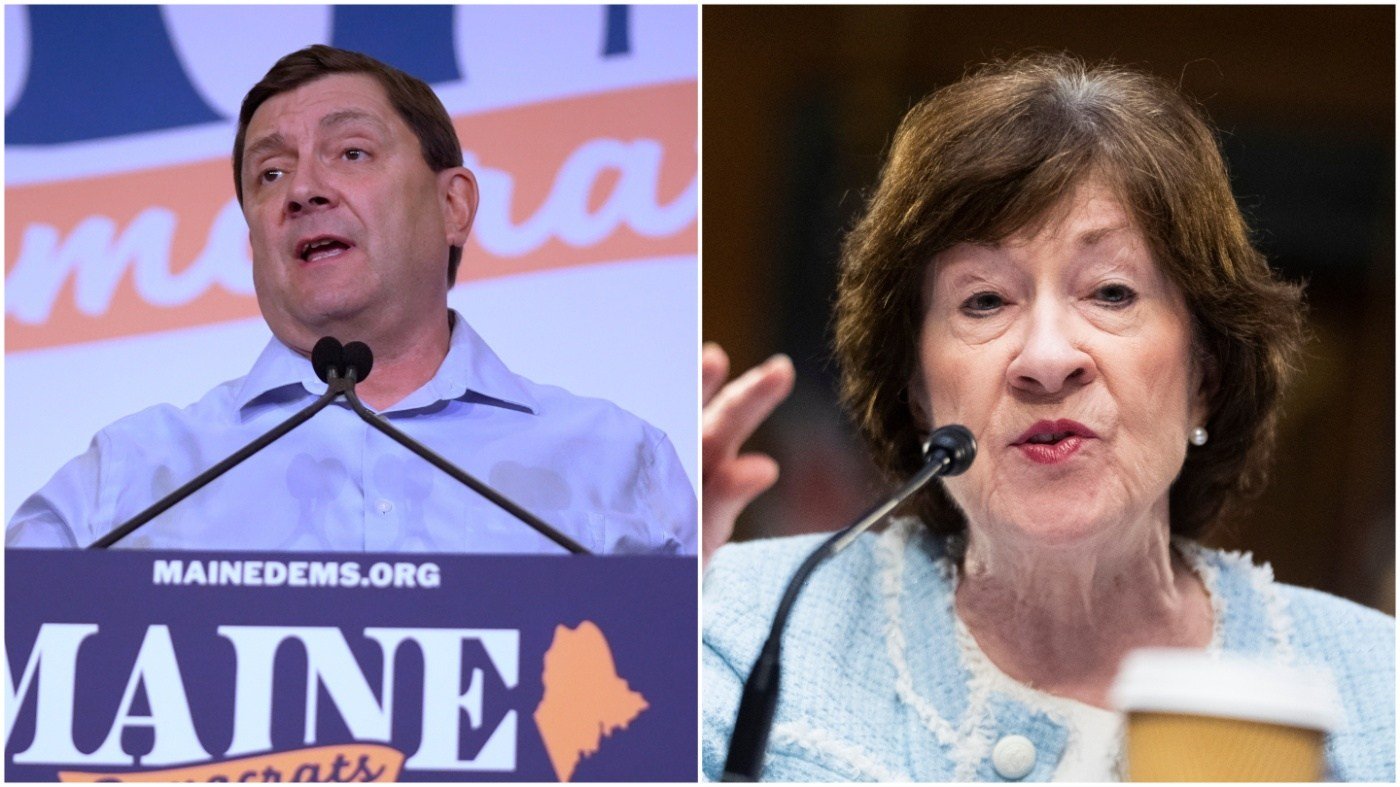
The internal GOP rift widened on Thursday when Sen. Susan Collins (R-Maine) broke with leadership to vote for a resolution halting further military action unless authorized by Congress. Collins, who had previously voted five times to defeat similar measures, warned she would not support extending hostilities beyond the War Powers Act’s 60-day window. “I will not support extending the hostilities beyond that 60 days except for wind-down activities,” she said.
Sen. Rand Paul (Ky.) was the only other Republican to vote to end military operations, a position he has held since the conflict began on Feb. 28. If three more Republicans join Collins and Paul, the war powers resolution would pass the Senate, delivering a sharp rebuke to Trump. However, the measure would still need to clear the House and be signed by the president to become law.
Tillis told reporters that the Trump administration must provide more details about its military plans before Congress can authorize continued operations. “We need to know what the strategic objectives are. What does success look like? What is the build-out for the budget request?” he said. Curtis has signaled he will not support additional funding for the conflict without formal authorization. “I will not support continued funding for the use of force without Congress weighing in,” he said in a statement. Young, speaking at the Semafor World Economy conference last month, said it was “time to wrap” the war with Iran “as quickly as we can.”
Thune has not committed to scheduling a vote, and Republican senators do not expect him to. “We’re listening carefully to what the members of our conference are saying,” Thune told reporters before the recess. When pressed on the prospect of a vote, he replied: “At this point, I don’t see th…”
The internal GOP battle comes as the Pentagon faces scrutiny over the costs of the Iran campaign. In a related development, Defense Secretary Pete Hegseth was grilled on the war’s price tag and recent firings at the Pentagon, underscoring the administration’s struggle to maintain congressional support. Meanwhile, SASC Republicans have pitched defense spending as an economic boon ahead of Hegseth’s hearings, framing the conflict as a driver of jobs and industrial capacity. The political stakes are high, with redistricting battles in Virginia and Florida setting the stage for a midterm showdown that could reshape the balance of power.