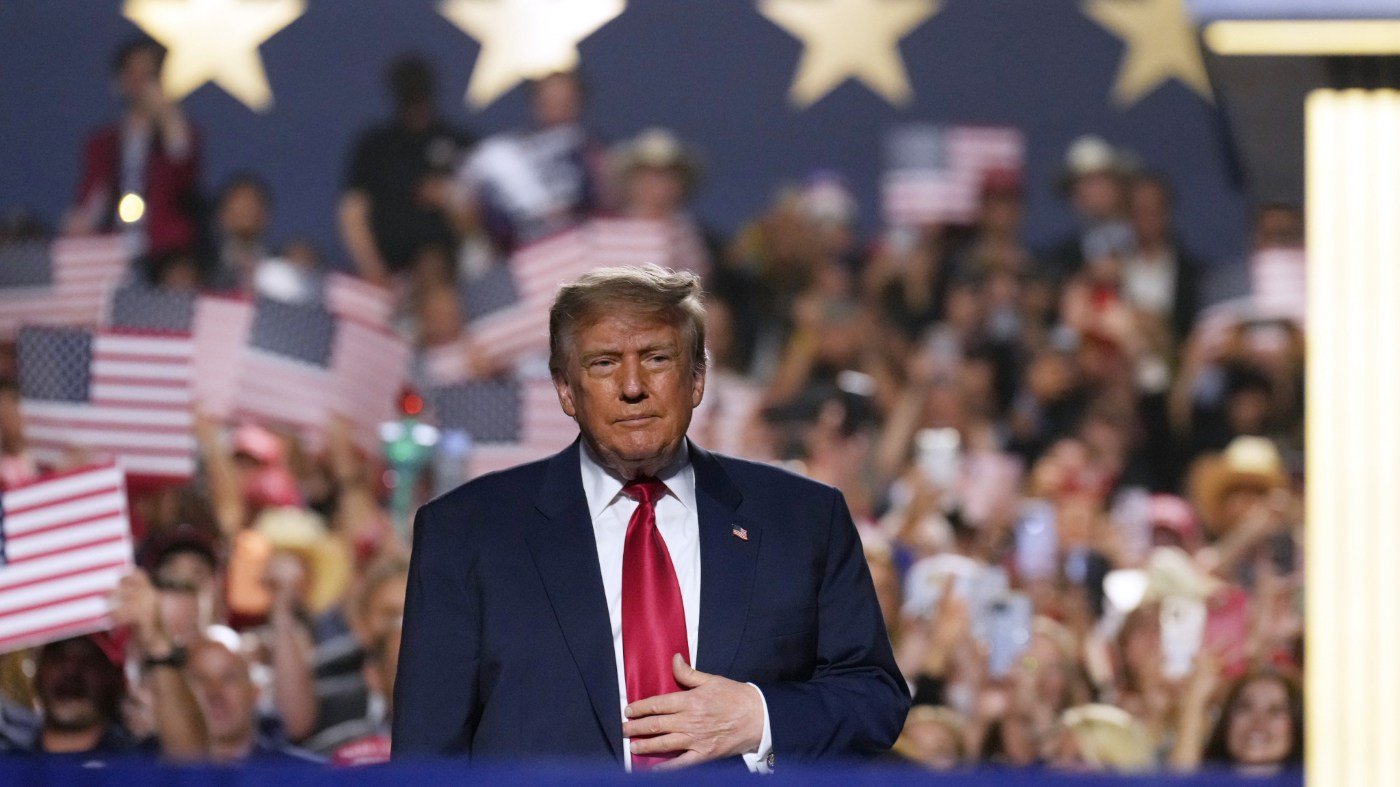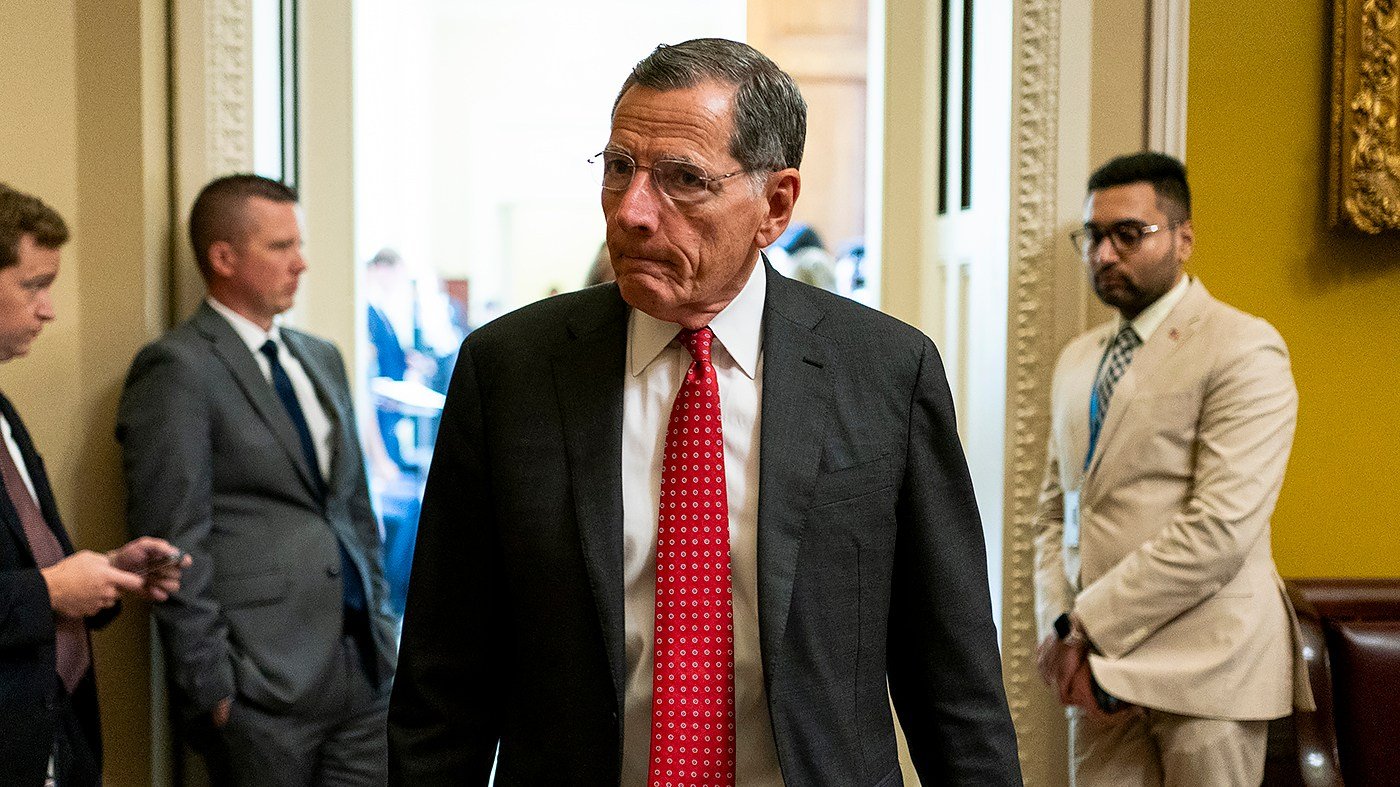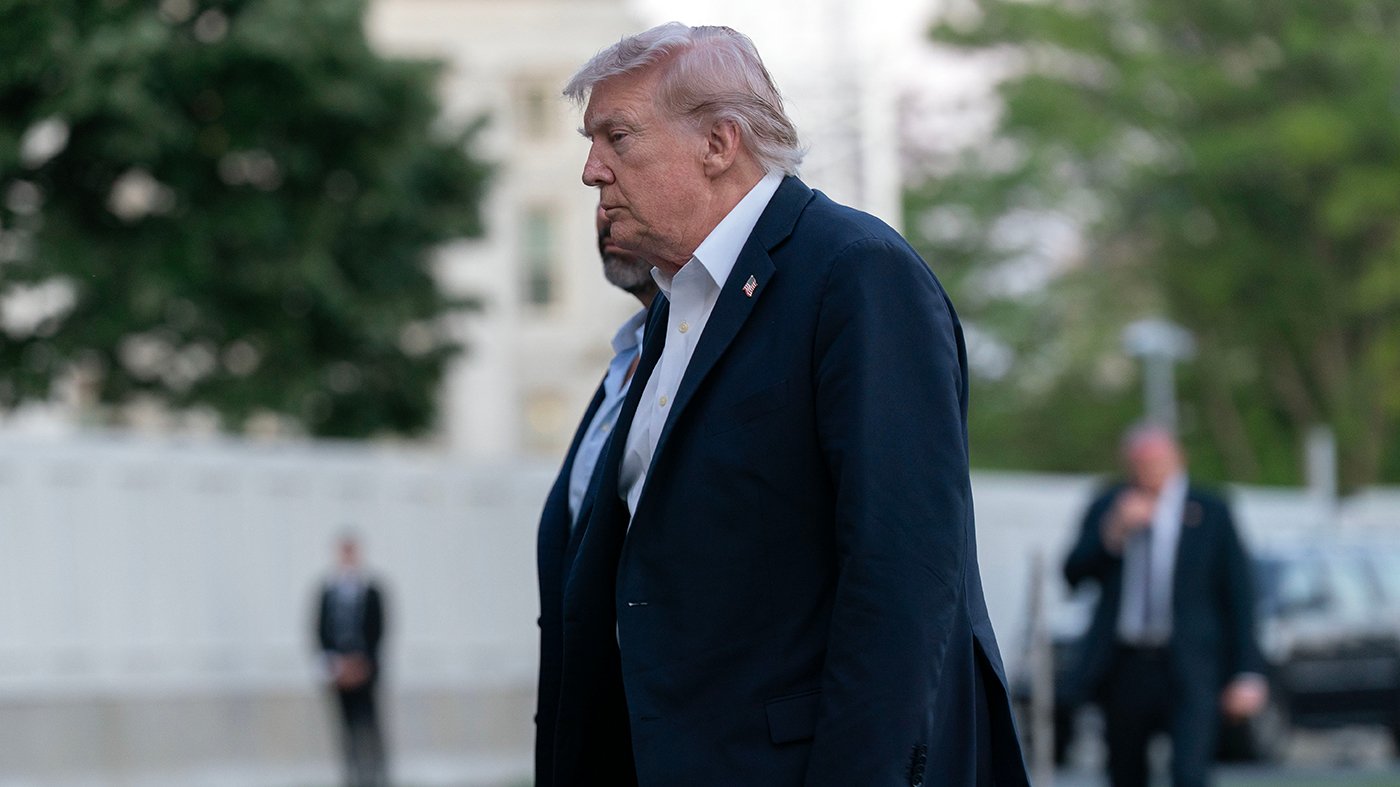
President Donald Trump's disapproval rating is climbing sharply, posing a growing threat to Republican candidates as the party strives to maintain its fragile trifecta in the November midterms. A Washington Post-ABC News-Ipsos poll released Sunday shows Trump's disapproval at a record 62 percent, with only 37 percent approving of his job performance.
The survey reveals deep discontent with the president's handling of key issues: 76 percent disapprove of his approach to the cost of living, 72 percent fault his management of inflation, and two-thirds give him negative marks on the Iranian conflict. These numbers, coupled with similar findings in other polls, suggest the midterm environment could mirror the 2018 anti-Trump wave that cost the GOP the House.

White House spokesperson Davis Ingle defended the president, saying, "What matters most to the American people is having a Commander-in-Chief who takes decisive action to eliminate threats and keep them safe, which is exactly what President Trump did with the successful Operation Epic Fury." Ingle added that Trump "does not make these incredibly important national security decisions based on fluid opinion polls."
But the polling trend is unmistakable. A Reuters/Ipsos survey last week also recorded Trump's broad approval at a second-term low, with similar record lows on the economy and foreign policy. Trump has claimed he "won affordability" and blamed his predecessor for inflation, touting his tariffs and last year's tax-cut bill. Yet the annual inflation rate rose to 3.5 percent in March from 2.8 percent in February, and unemployment ticked up to 4.3 percent from 4 percent in January.
An Associated Press-NORC poll found Trump's economic approval dropped 8 percentage points between March and April. While a majority of Republicans still view his economic moves positively, that share fell from 74 percent to 62 percent in just one month—a notable erosion among his base.
Democrats are already framing the midterms as a referendum on Trump. "The Democrats are going to say, 'This is about Trump. Forget about who we are. Forget about our platform or issues. This is just about what the president is,'" said Spencer Kimball, executive director of Emerson College Polling. He warned that Republicans face a tough challenge: "They have to somehow distance themselves from some of those policies while still coming up with other ideas for why voters should vote for them."
The president's ratings have also been dragged down by his immigration policy and the ongoing war in Iran, which is already pushing up energy prices. The U.S. is trying to broker a new nuclear deal with Tehran after Trump abandoned the previous agreement during his first term. Iran over the weekend threatened the Strait of Hormuz, a vital oil shipping lane that has been effectively closed during the conflict, after Trump announced U.S. efforts to secure the waterway.
Only 32 percent of Americans approve of Trump's leadership on Iran, despite his claim last week that the U.S. had "already won" the conflict. In the Reuters poll, 61 percent disapprove of the U.S. strikes against Iran, including 25 percent of Republicans and 67 percent of independents. The situation has also deepened a transatlantic rift, as Italian Prime Minister Giorgia Meloni has broken with Trump over Iran and energy policy.
Michigan Republican strategist Jason Cabel Roe said the party has a limited window to manage energy prices before electoral consequences set in. "Markets don't really react to supply. They react to stability," he said, adding that a resolution in the region would bring an immediate drop in gas prices and the cost of living. But, he warned, "that needs to happen no later than summer for us to see and feel that impact."
Trump's poor polling numbers could become a major drag for his party, especially as some analysts argue that Trump's grip on the GOP may prove fatal if the party cannot break free from his unpopularity. With the midterms approaching, Republicans are increasingly anxious about holding their majority.