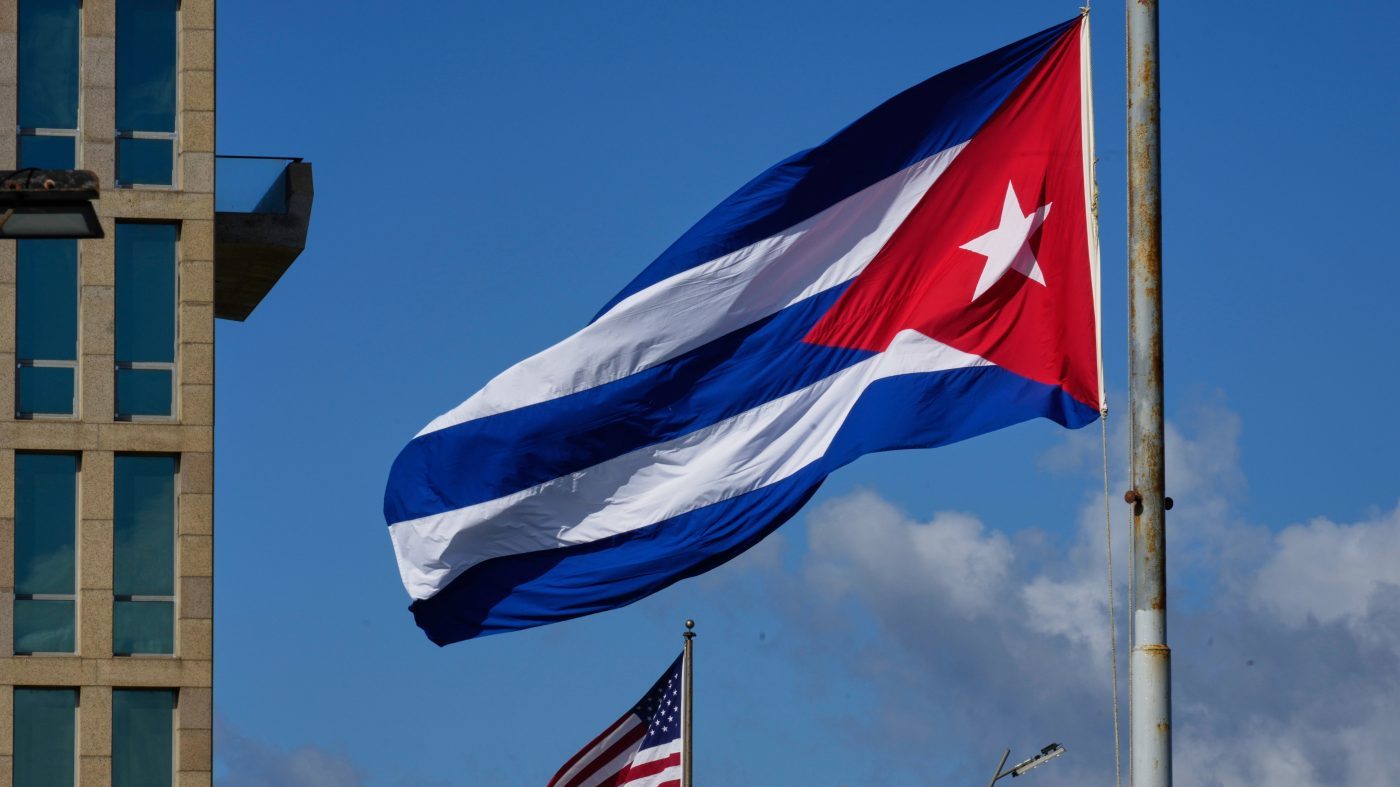
Cuba's top diplomat at the United Nations issued a stark warning Monday, asserting that Havana stands ready to defend its sovereignty against any military aggression, as the Trump administration escalates economic pressure and political demands on the island nation.
Ambassador Ernesto Soberón Guzmán, in a Fox News interview, dismissed any notion that Cuba might capitulate under the weight of a renewed US oil blockade and threats of intervention. “If someone thinks that words like ‘give up,’ ‘surrender’ or ‘collapse’ are in the Cuban people’s dictionary, that person — those people are sorely mistaken,” he said. “In the Cuban dictionary, you will find words like ‘resilience,’ ‘resistance,’ ‘defense of our sovereignty’ and ‘defense of our independence.’”
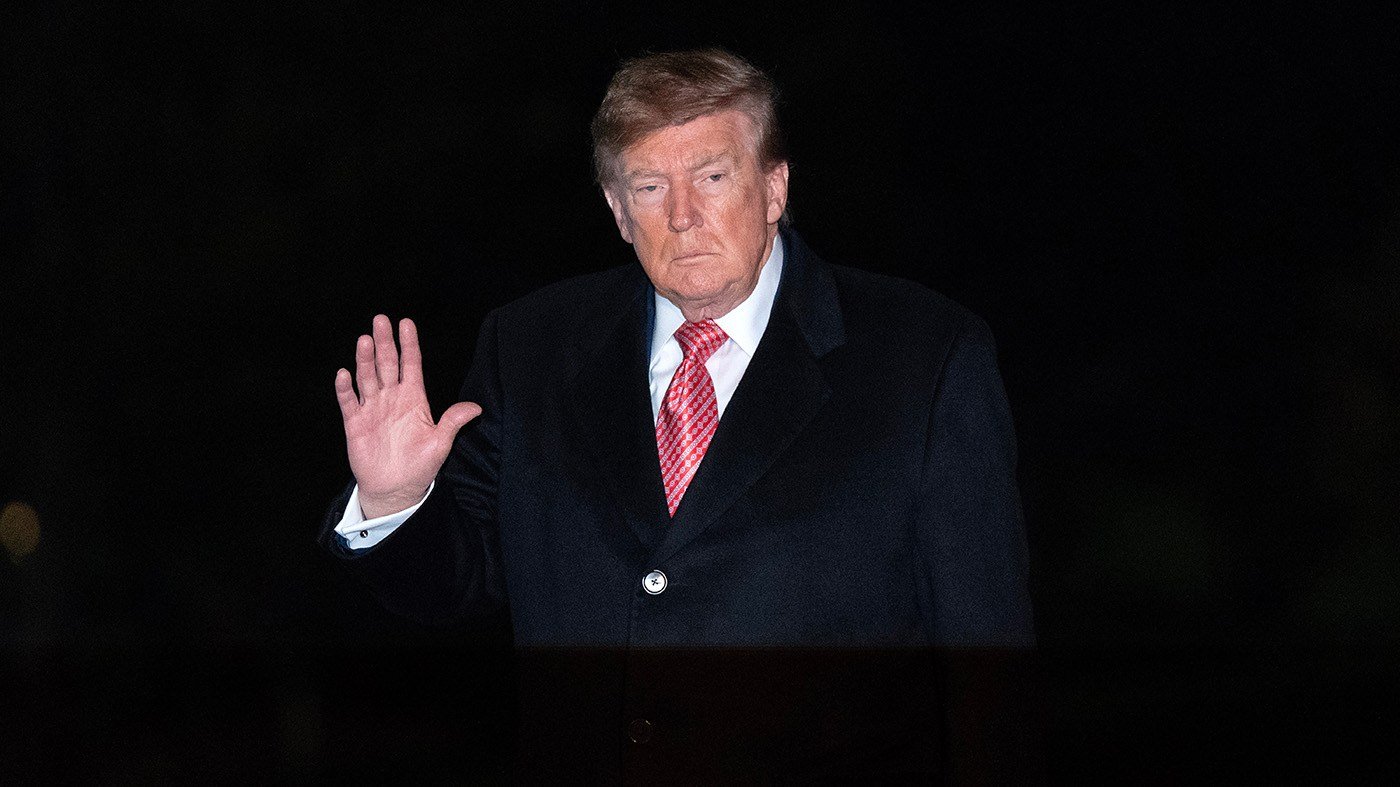
The ambassador’s remarks came days after President Donald Trump signed an executive order imposing fresh sanctions on Cuban officials deemed corrupt by the US government, specifically targeting those in the energy, defense, financial, and security sectors. The move is the latest in a series of measures aimed at squeezing the Castro government.
Cuban Foreign Minister Bruno Rodríguez condemned the new sanctions as “illegal” and “abusive.” In a statement Sunday, he accused Washington of unleashing a “multidimensional crisis” through unilateral coercive measures, economic warfare, and disregard for international law. “Cuba is in the crosshairs, in the sights of US imperialism,” Rodríguez said.
The heightened tensions follow Secretary of State Marco Rubio’s open advocacy for regime change in Havana. In March, Rubio argued that the long-standing US embargo is “tied to political change on the island,” echoing Trump’s suggestion that a “friendly takeover” could follow the capture of former Venezuelan President Nicolás Maduro. Rubio described Cuba’s economy as “nonfunctional,” noting the loss of subsidies from the former Soviet Union and Venezuela. “They don’t get subsidies anymore, so they’re in a lot of trouble, and the people in charge, they don’t know how to fix it, so they have to get new people in charge,” he said.
Chronic energy and power shortages, worsened by the embargo, have disrupted hospital services for patients with chronic illnesses and upended daily life for millions of Cubans. The humanitarian toll has drawn international attention, with Mexico dispatching two aid ships to the island.
Despite the confrontational rhetoric, Guzmán signaled Havana’s willingness to accept US assistance. “You know that we had a parade last Friday… as part of our celebration of the labor date, and there were 500,000 people in Havana, more than 5 million people all around the country, saying that we are ready to talk with the US but ready to defend our sovereignty, our independence,” he said.
Guzmán stressed that any diplomatic engagement must be “based on reciprocity, based on equal footing, based on respect, sovereignty and independence, and based on no interference in the internal relations.” The stance mirrors broader Cuban defiance against what it sees as US imperial overreach, a theme that resonates across the region as similar US pressure campaigns target other nations, as seen in Iran's vow to defend its nuclear and missile programs against US blockade.
The latest standoff underscores the deep impasse between Washington and Havana, with little sign of compromise. As the US intensifies its maximum pressure strategy, Cuba’s leadership is banking on popular resilience and international solidarity to weather the storm, even as the economic crisis deepens.