Iranian forces opened fire on U.S. Navy vessels Monday, prompting a swift American response that destroyed six Iranian small boats, according to U.S. Central Command chief Adm. Brad Cooper. The exchange marks a dramatic escalation in the ongoing standoff over the Strait of Hormuz, a critical waterway for global oil shipments.
The confrontation unfolded just hours after President Donald Trump declared Sunday that the United States would help free commercial ships trapped in the strait since hostilities erupted between the two nations. Iran had earlier warned it would not permit any movement through the strategic chokepoint, setting the stage for the clash.
Later Monday, the United Arab Emirates reported missile and drone launches over its airspace, marking the first attacks from Tehran since the U.S.-Iran ceasefire took effect last month. The incidents signal that the fragile truce may be unraveling as both sides trade fire and rhetoric.
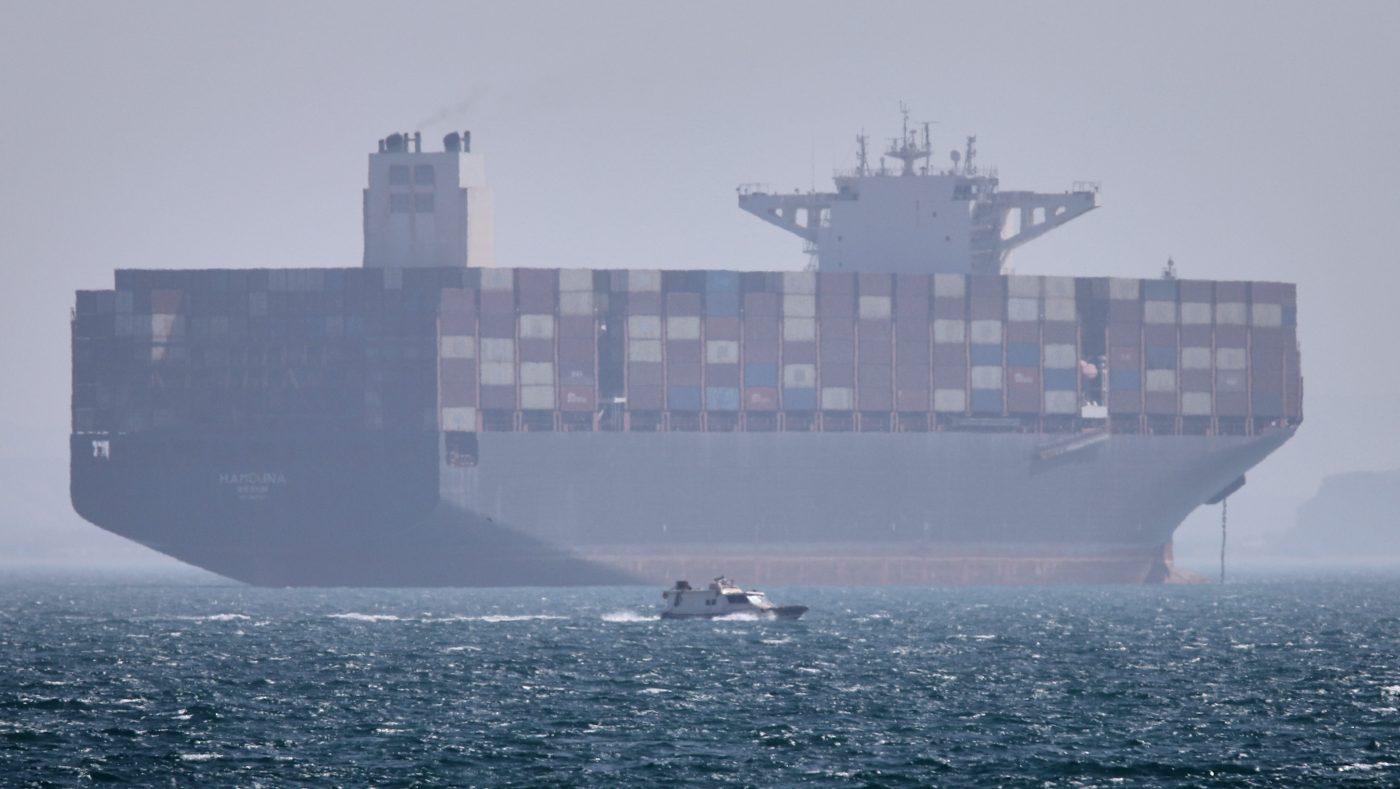
The Strait of Hormuz remains a flashpoint, with the U.S. military vowing to keep the waterway open. In a related development, U.S. cargo ships have continued transiting the strait despite heightened risks, underscoring the strategic stakes for global trade.
In Florida, Gov. Ron DeSantis signed into law a new set of congressional district lines that could net Republicans up to four additional House seats in November. The move comes as the redistricting battle intensifies following the Supreme Court's recent ruling that weakened the Voting Rights Act.
Alabama lawmakers are also set to convene for a special session on mid-decade congressional redistricting, responding to the same Supreme Court decision. The high court's ruling has opened the door for states to redraw maps with less federal oversight, a shift that could reshape the political landscape ahead of the 2024 elections.
Meanwhile, President Trump is scheduled to attend a small business summit Monday afternoon, amid other meetings. The White House has not commented directly on the military engagement, but administration officials are closely monitoring the situation.
The broader context of the Strait of Hormuz standoff includes its impact on global energy markets. Lawmakers have promised immediate gas price relief once the strait reopens, as the closure has sent jet fuel costs soaring and forced airlines to slash flights. The Treasury Department has also warned that paying tolls to Iran for passage through the strait could expose U.S. ships to sanctions.
As the crisis deepens, the international community is watching closely. The U.S. has signaled it will not tolerate further Iranian aggression, while Tehran appears determined to challenge American naval dominance in the region. The coming days will be critical in determining whether the ceasefire can be salvaged or if a broader conflict looms.