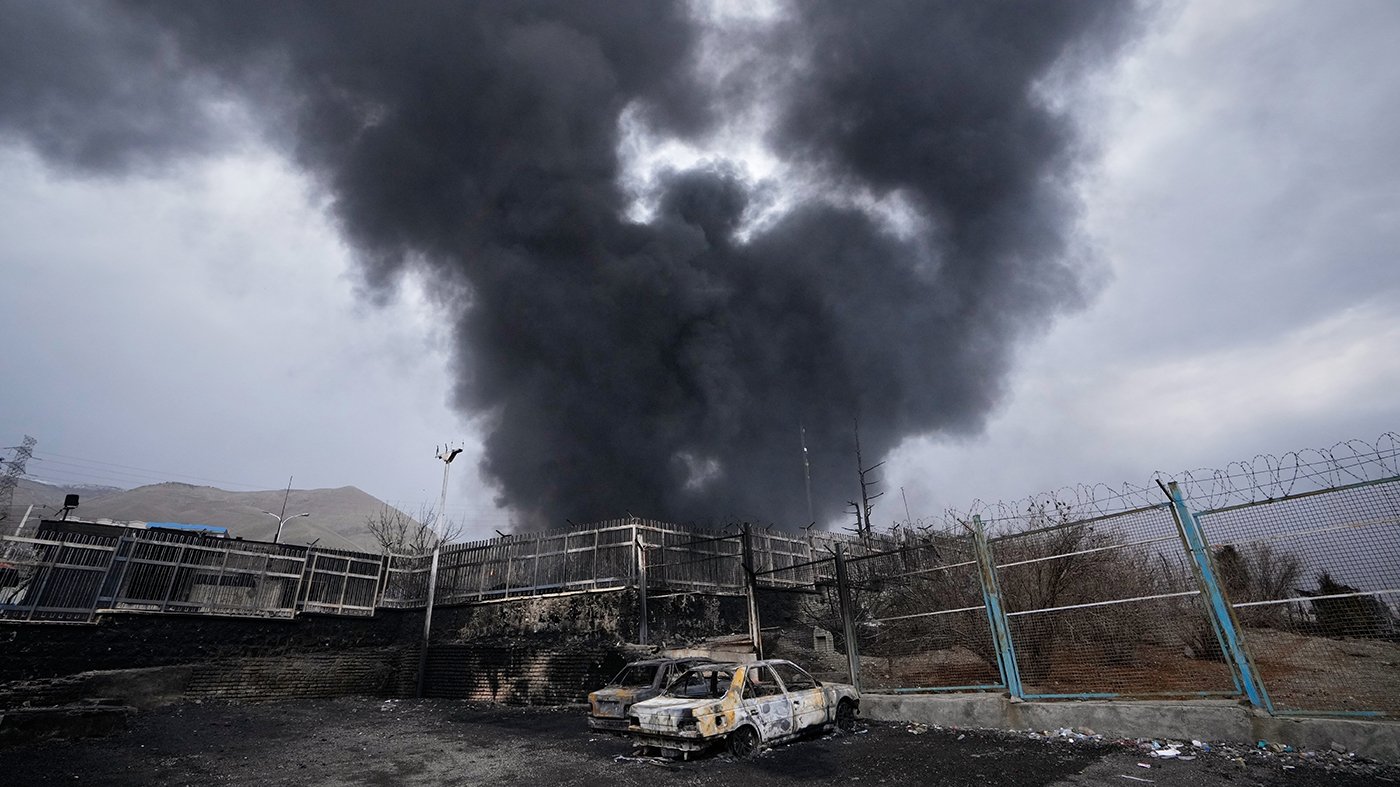
The U.S. military confirmed Monday that two American cargo vessels have crossed the Strait of Hormuz, marking a key step in the Trump administration's effort to restore control over the strategic shipping route. The transit, announced by U.S. Central Command, was conducted under the protection of Navy guided-missile destroyers now stationed in the Persian Gulf.
This development comes after Iran claimed it had struck a U.S. naval vessel with two missiles—a report that Central Command flatly denied. The military maintains that no American ships have been attacked and that the naval blockade in the strait remains effective.
Iranian Threats and Leverage
Tehran has continued to issue warnings about safe passage through the waterway, even amid a fragile ceasefire with the U.S. and Israel. A military source told Iran's semiofficial Tasnim News Agency, as translated by Grok, that "Iran's armed forces... will not allow passage to American combat forces, and any transit in the Strait of Hormuz will also not be permitted without authorization."
The strait carries about 20% of the world's oil supply, and the ongoing standoff has driven up gas prices globally. This has given Iran significant negotiating leverage, even as its military faces sustained pressure from American forces. Reports indicate Tehran has been charging vessels for smooth passage, with some ships bypassing the U.S. blockade entirely.
Economic Fallout and Insurance Risks
According to Lloyd's List Intelligence, 35 ships traversed the waterway during the week of April 20–26. However, the risks remain high: aggregate marine insurance exposure for hull war risk alone sits at roughly $20 billion, with billions more tied to cargo, market sources told Lloyd's List. The disruption has sent crude oil and energy prices soaring, with oil prices spiking to $126 as the strait remains effectively closed to routine traffic.
The broader economic impact is also hitting consumers directly. Transportation Secretary Duffy has promised immediate gas price relief once the strait reopens, but that outcome remains uncertain as diplomatic talks stall.
Stalled Diplomacy and Nuclear Sticking Point
Negotiations between Washington and Tehran have largely ground to a halt, leaving the ceasefire terms vague and dimming hopes for a long-term agreement. Iran is demanding that the Trump administration lift sanctions, withdraw from the region, and push for an extended ceasefire between Israel and Lebanon. President Trump has rejected those conditions, while administration officials argue the official war has been "terminated" under the 60-day deadline of the War Powers Act.
A key unresolved clause in any potential peace deal is Iran's refusal to commit to abandoning its nuclear weapons ambitions. The U.S. insists on verifiable nonproliferation guarantees, but Tehran has not agreed, leaving a critical gap in any future accord.
The standoff continues to pose a direct challenge to global shipping and energy markets, with the U.S. Navy maintaining a protective presence in the Gulf while the political path forward remains unclear.