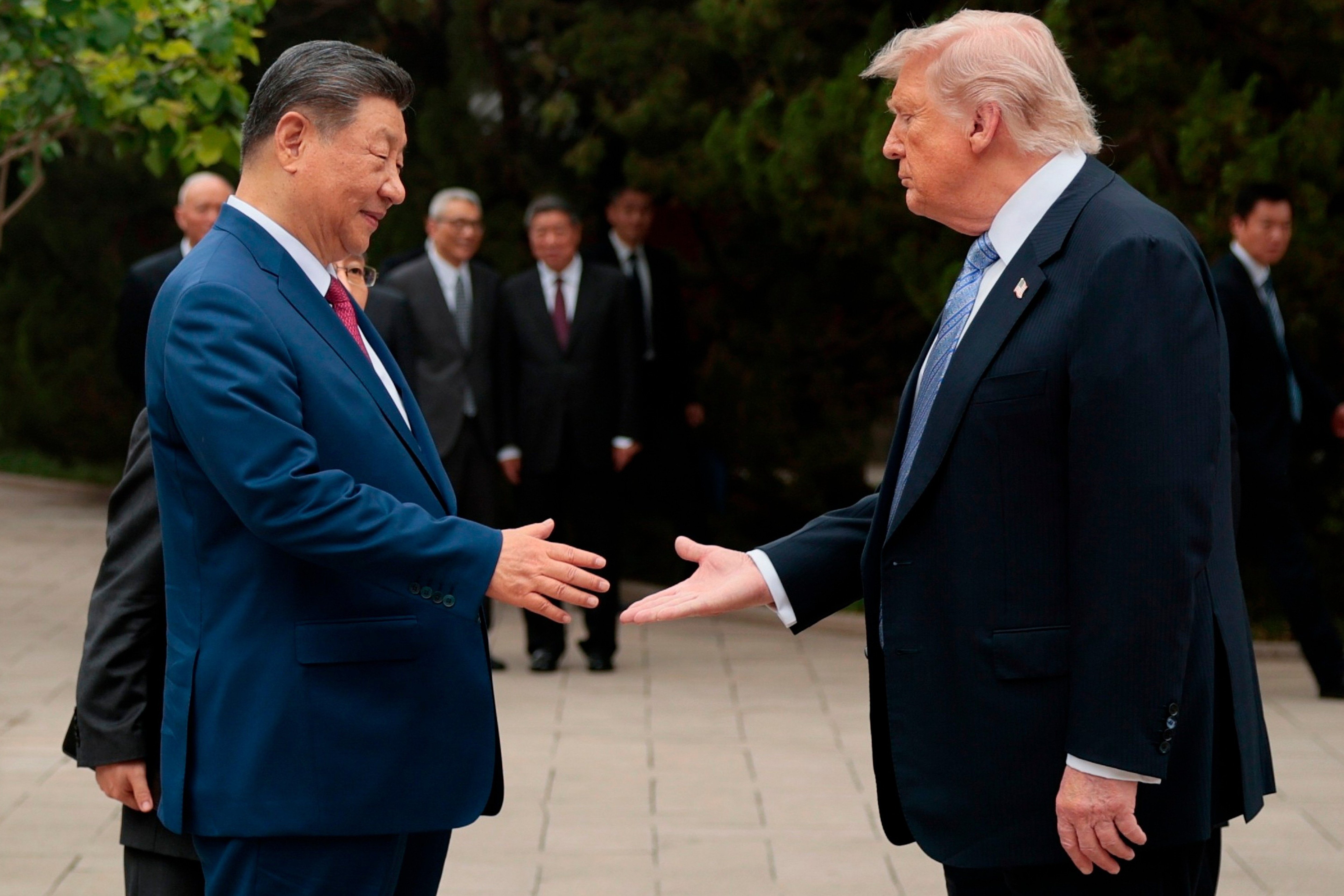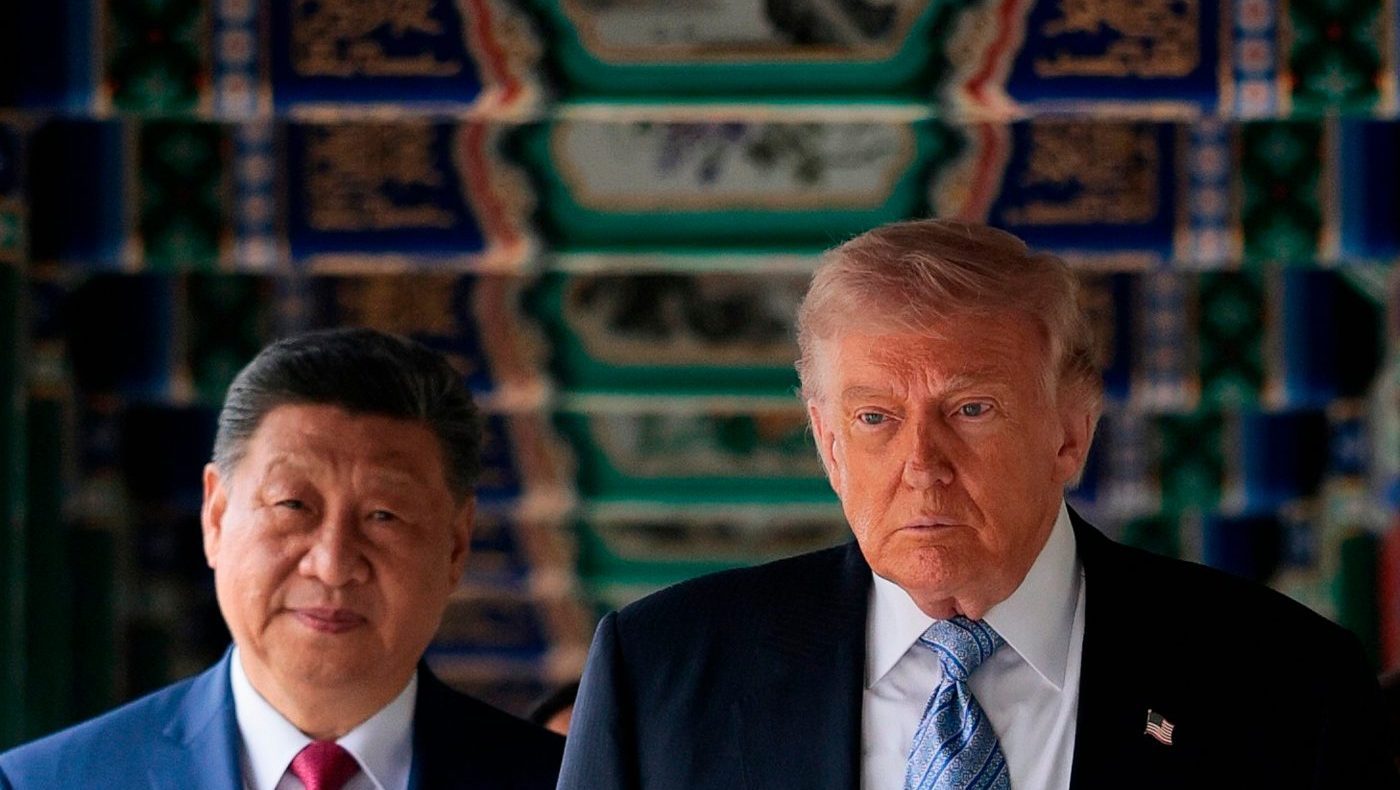
The Trump administration, alongside Israel, has been engaged in military operations against Iran for 11 weeks. The stated justification: Iran was on the verge of acquiring a nuclear weapon, requiring the massive Epic Fury campaign to stop it. Yet just last June, Operation Midnight Hammer reportedly “obliterated” Tehran’s nuclear capacity. The timeline raises obvious questions about consistency.
Beyond nonproliferation, the campaign aimed at regime change, dismantling Iran’s modest air force and navy, striking missile infrastructure, and neutralizing the Islamic Republic as a regional threat. Results are mixed: the Strait of Hormuz remains blocked by both Iranian and American forces.
The North Korea Anomaly
Why is a nuclear Iran deemed unacceptable, while North Korea’s arsenal—including warheads mated to long-range missiles—was tolerated? Kim Jong Un, an erratic dictator, was allowed to keep his weapons. Were the mullahs and the Islamic Revolutionary Guard Corps seen as more volatile? The disparity is stark.
Forget the rhetoric about “death to America.” The U.S. and UN fought a war with North Korea from 1950 to 1953 that killed far more Americans than any conflict with Iran. That war technically never ended—it remains under a 70-year truce. The paradox of permitting a nuclear North Korea while denying Iran the same capability is a central, unresolved tension.
The crisis escalated in July 2017, when Pyongyang conducted missile and nuclear tests. By September, it detonated a 250-kiloton device and demonstrated the ability to reach Alaska. President Trump responded with threats of “fire and fury,” and later at the UN, threatened to “totally destroy North Korea,” dubbing Kim “Rocket Man.” Kim fired back, calling Trump a “dotard.” Trump then boasted of a “much bigger and more powerful” nuclear button. Reports indicated Trump even raised the idea of a nuclear strike on North Korea while blaming a third party.
Cooler heads intervened. Chief of staff John Kelly convened senior leaders to brief Trump on the catastrophic consequences of another Korean War. Defense Secretary James Mattis reportedly slept in his clothes, ready to order intercepts of incoming missiles. Experts estimated war odds between 10 and 50 percent. Republican Senator Lindsey Graham put it at 30 percent. Retired NATO commander James Stavridis said a conventional war would kill over a million. Former CIA Director John Brennan saw a 20-25 percent chance; Council on Foreign Relations president Richard Haass called it 50-50.
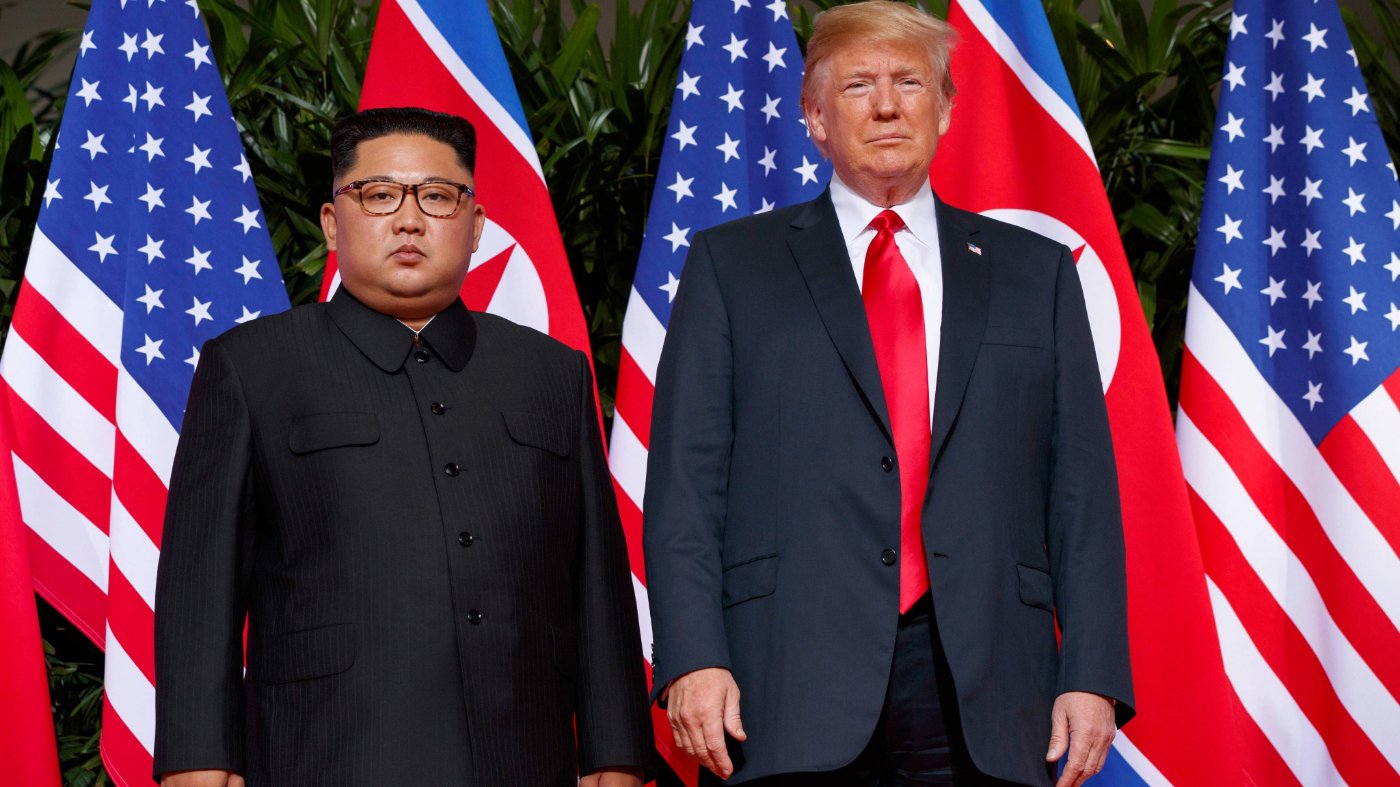
Then the trajectory shifted. Trump and Kim exchanged letters, and Trump “fell in love” with the dictator. They met three times. North Korea was no longer treated as an immediate threat. Whether that changes with the new Axis of Evil—China, Russia, Iran, and North Korea—remains to be seen.
Why Not Iran?
If Trump could reverse course with Kim, why not with Tehran? Iran has no nuclear bomb and no capacity to strike the U.S. North Korea does, and still does. The U.S. considered military action against Pyongyang and wisely backed down. Now it is at war with Iran.
Many will disagree with the question, but it demands an answer: Why is Iran considered more dangerous than North Korea? Trump has demanded Iran 'cry uncle' to end the Strait blockade, rejecting talks. Meanwhile, Iran's new power center sees nukes as key to regime survival, and Trump warns Iran to 'get smart' as talks stall. The double standard remains a glaring political inconsistency.
Harlan Ullman, Ph.D., is UPI’s Arnaud deBorchgrave Distinguished Columnist, a senior adviser at the Atlantic Council, chairman of two private companies, and principal author of the doctrine of shock and awe. He and former UK Defense Chief David Richards are authors of a forthcoming book on preventing strategic catastrophe.