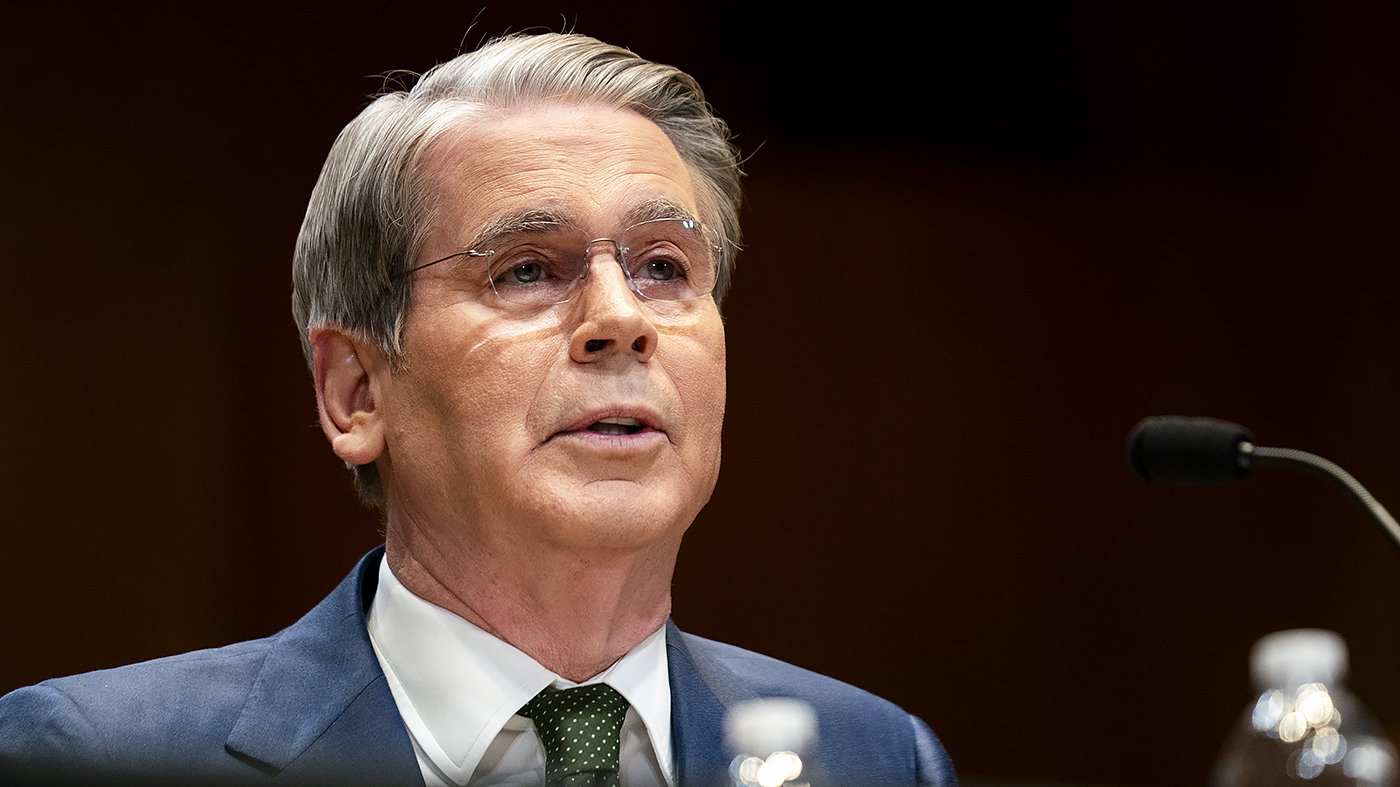
Treasury Secretary Scott Bessent declared Monday that American drivers can expect relief from rising gas prices, as the national average for a gallon of regular fuel approaches $4.50. Speaking on Fox News, Bessent attributed the surge to disruptions in the Strait of Hormuz, where Iranian military actions have throttled shipping amid the ongoing U.S.-Israeli conflict.
"Help is on the way as of today," Bessent said on America's Newsroom. "The market, because of the conflict around the strait, is in deficit about 10 million barrels a day, between 8 and 10 million barrels a day right now." He argued that pent-up supply would soon ease prices, noting that each crew carrier holds about 2 million barrels and that "150, 200 crew carriers" could be released to meet demand.
Gas Prices Hit $4.46, Up Sharply From Last Year
According to AAA, the average U.S. gas price stood at $4.46 on Monday, a steep climb from $3.17 at the same time last year. The spike has intensified political pressure on the Trump administration, with March inflation hitting 3.5%, driven largely by energy costs tied to the Iran conflict.
President Trump weighed in Sunday on Truth Social, offering to help free ships trapped in the strategic waterway. "For the good of Iran, the Middle East, and the United States, we have told these Countries that we will guide their Ships safely out of these restricted Waterways," he wrote.
Military Clashes Escalate
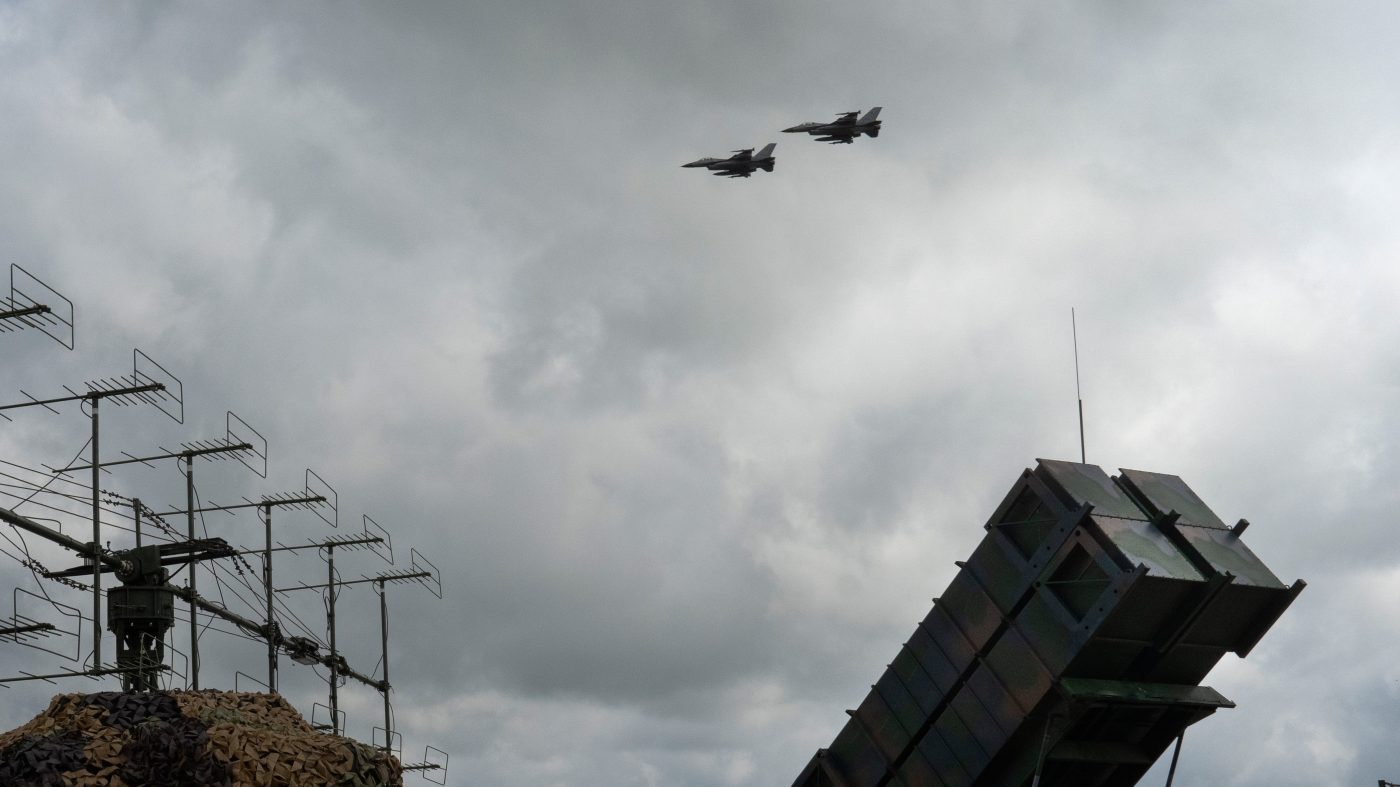
U.S. Central Command reported Monday that Iranian forces fired on U.S. warships, prompting a retaliatory strike that destroyed six Iranian small boats. The Pentagon also confirmed that two cargo ships successfully transited the Strait of Hormuz, with Navy guided-missile destroyers providing protection in the Persian Gulf.
The confrontation has roiled global oil markets, with oil prices spiking to $126 a barrel as the strait remains effectively closed to routine traffic. The Biden-era energy policies and the current administration's handling of the crisis have drawn sharp criticism from both parties.
Political Fallout Mounts
Lawmakers on Capitol Hill are increasingly vocal about the economic pain. House Majority Leader Steve Scalise clashed with a CNBC host over gas prices, blaming the administration's Iran strategy for the surge. Meanwhile, Democrats have pointed to the White House's failure to prevent the conflict, with Representative Clark slamming Defense Secretary Pete Hegseth for skipping Hill briefings before the crisis escalated.
The Treasury Department has also warned that U.S. ships paying tolls to Iran to cross the strait could face sanctions, adding another layer of complexity to the shipping crisis. Bessent's comments Monday signal the administration's effort to reassure markets and voters, but with no immediate end to the standoff in sight, the promise of relief remains uncertain.