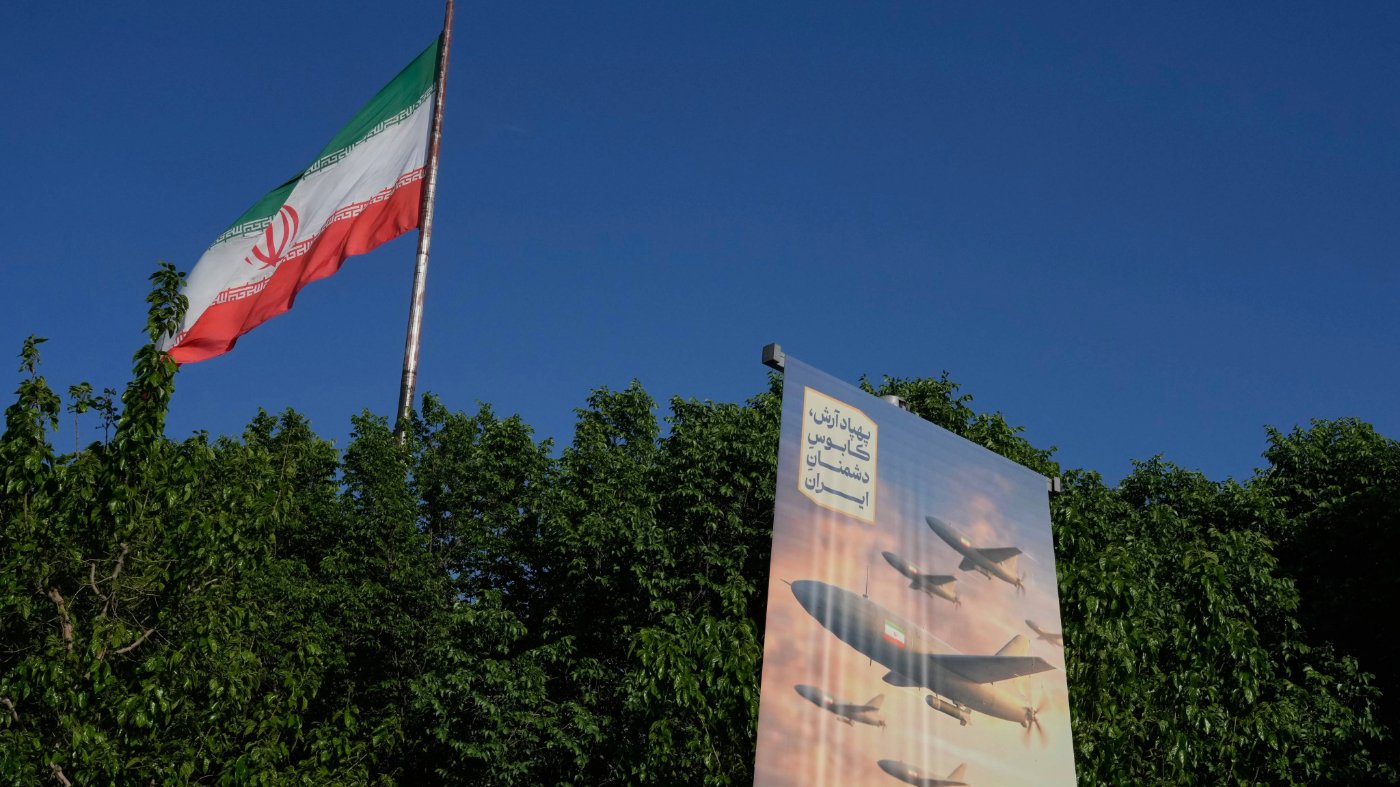
Iran escalated its confrontation with the United States on Monday, warning that its armed forces would bar American combat vessels from transiting the Strait of Hormuz—a critical chokepoint for global oil shipments—after President Donald Trump announced a US initiative to guide commercial shipping through the waterway.
A military source told Iran's semi-official Tasnim news agency, which is linked to the Islamic Revolutionary Guard Corps, that Tehran would not permit any passage of American forces without prior authorization. The source invoked what it called the “40-day war” as a precedent for blocking US naval movements, according to a post on X translated from Persian by the AI tool Grok.
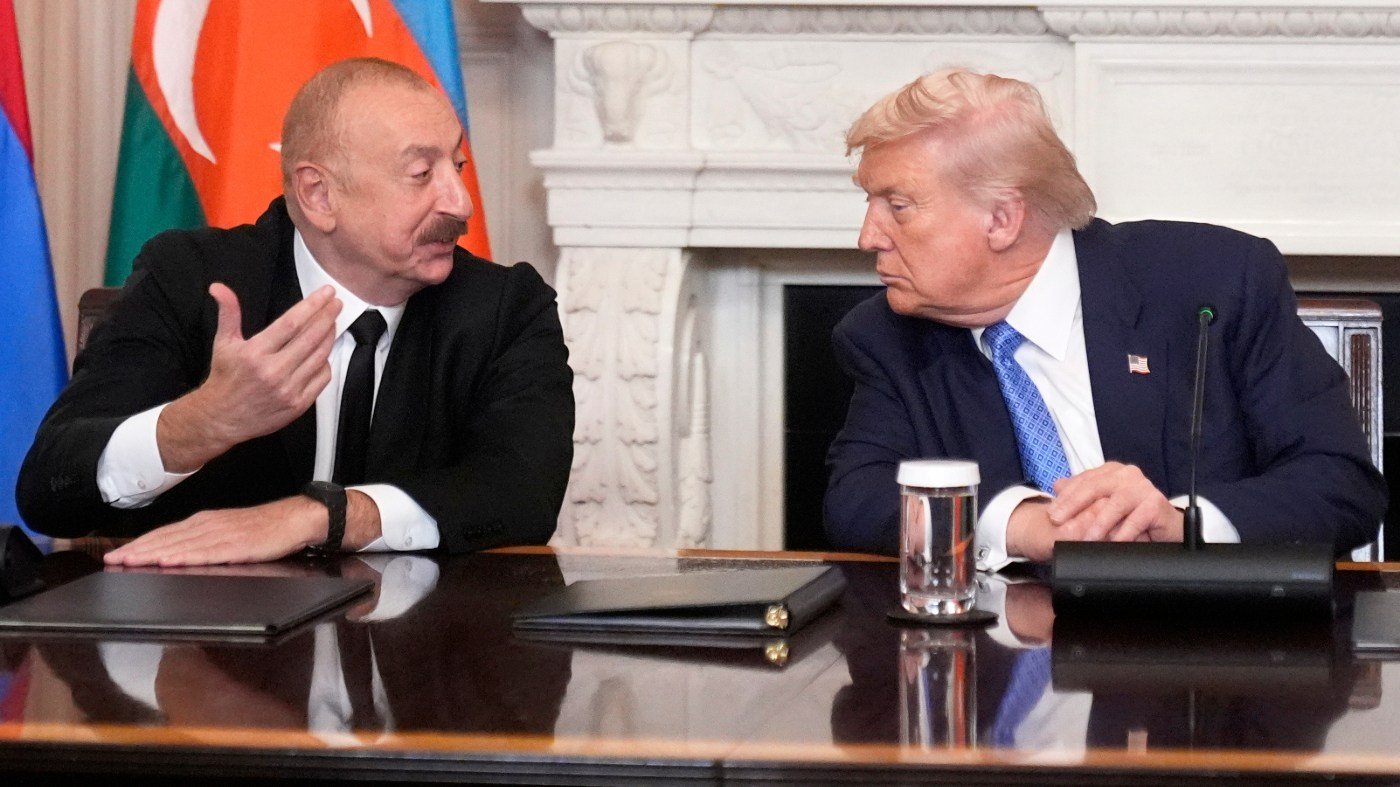
Trump on Sunday unveiled “Project Freedom,” a new operation to help vessels navigate the Strait of Hormuz, which has been effectively closed due to the ongoing US-Israeli conflict with Iran. In a Truth Social post, the president said the effort would begin Monday morning “Middle East time” and that the US would guide ships “safely out of these restricted Waterways, so that they can freely and ably get on with their business.”
The Iranian military has tightened its grip on the strait amid the broader regional conflict, throttling shipping and sending oil prices climbing. The average price of a gallon of gas in the US has surged to roughly $4.46, up from about $3.17 a year ago, according to AAA. Transportation Secretary Sean Duffy has promised immediate relief at the pump once the strait reopens, but no timeline has been set.
US Central Command (CENTCOM) on Monday pushed back against claims from Iranian state media that a US warship had been struck by Iranian missiles. “TRUTH: No U.S. Navy ships have been struck. U.S. forces are supporting Project Freedom and enforcing the naval blockade on Iranian ports,” CENTCOM said in a statement.
The standoff comes as the dollar has weakened significantly since Trump's return to office, adding to economic pressure on American households already grappling with higher fuel costs. Meanwhile, Republican lawmakers have been pressing the administration for a clear strategy. Senator Jack Reed has criticized Trump for failing to consult Congress on the use of military force against Iran, calling the situation “no timeouts.”
Iran's latest threat is likely to deepen uncertainty in global energy markets, as the Strait of Hormuz handles about a fifth of the world's oil supply. Analysts warn that any direct confrontation between US and Iranian naval forces could send crude prices spiking further, with ripple effects across the global economy.
Trump has not detailed the full scope of Project Freedom, but the operation appears to be a direct challenge to Tehran's attempts to control the waterway. The White House has not yet responded to Iran's warning.