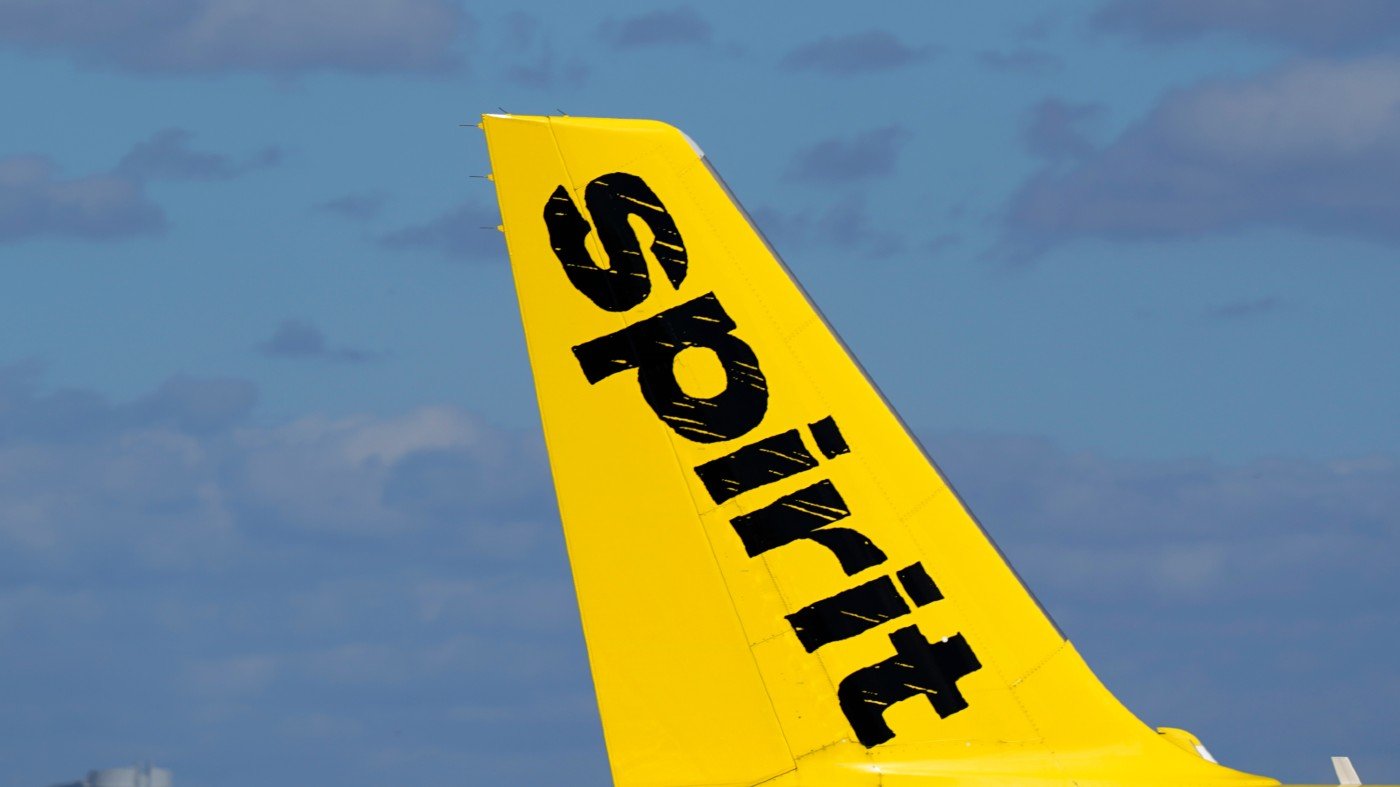
Spirit Airlines announced Sunday that it has processed refunds for the majority of its customers following the carrier's abrupt shutdown. The airline told Reuters it is nearing completion of all passenger reimbursements after ceasing operations on Saturday, when a last-ditch government bailout fell through.
Bailout Collapse and Political Fallout
The Trump administration had assembled a $500 million rescue package for the struggling low-cost carrier, but opposition from several Trump allies in Congress derailed the deal. The White House's legal team blocked the bailout despite internal push, according to sources. Spirit had filed for Chapter 11 bankruptcy protection in November 2024, after losing more than $25 billion since the start of the COVID-19 pandemic. Rising operating costs and mounting debt had left the airline teetering.
Fuel Costs and Geopolitical Tensions
The final blow came from spiking fuel prices, driven by the Strait of Hormuz closure amid the U.S.-Israeli conflict with Iran. The Iranian military has limited shipping through the strategic waterway, sending oil prices skyward. The average U.S. gas price hit $4.46 per gallon Monday, up from about $3.17 a year ago, according to AAA. Senator Elizabeth Warren (D-Mass.) blamed the collapse on Trump's policies, posting on X: "Spiking fuel prices from Trump's war was the nail in the coffin for twice-bankrupted Spirit airline. Republicans are desperate to shift blame from higher costs hitting families."
Administration Response
On Sunday, President Trump announced the U.S. would assist in freeing ships trapped in the Strait of Hormuz, but Transportation Secretary Sean Duffy rejected the notion that the Iran conflict caused Spirit's demise, citing pre-existing financial woes. Meanwhile, the administration has stepped in to cap airfares to mitigate disruption for stranded travelers.
Industry and Consumer Impact
The shutdown, which followed weeks of bailout talks, has left thousands of passengers scrambling. Spirit's parent company cited unsustainable fuel costs as the trigger for ending operations. The airline had already slashed flights in recent months as jet fuel prices soared. Analysts warn that the collapse could ripple through the budget airline sector, with consumers facing higher fares and fewer options.
As refunds wind down, the political battle over responsibility is heating up. Republicans point to Spirit's pre-pandemic debt load, while Democrats highlight the administration's tariff policies and Middle East tensions as key drivers of fuel inflation. The episode underscores the fragile state of the U.S. airline industry amid geopolitical shocks and partisan gridlock.