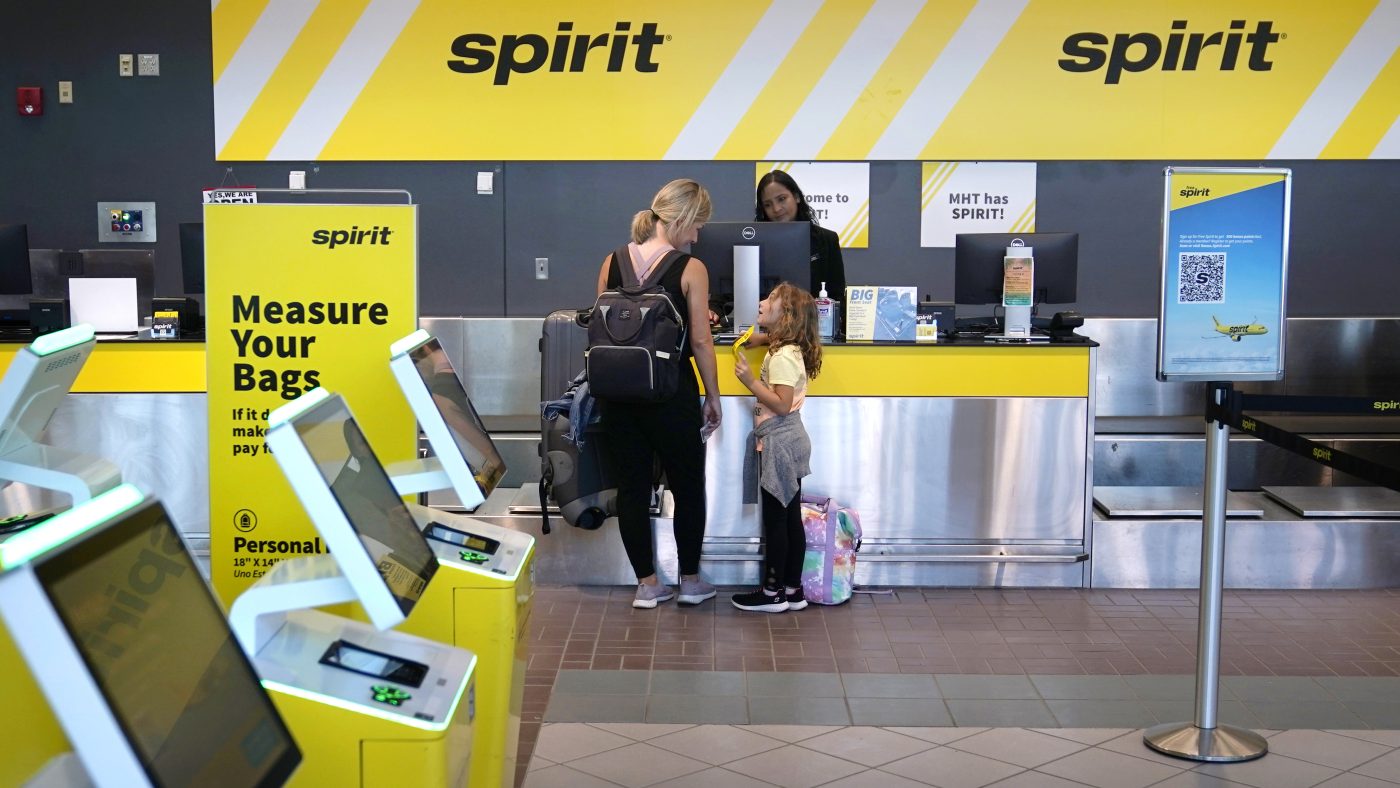
Spirit Airlines abruptly ceased operations early Saturday, grounding all flights and initiating a complete shutdown after the Trump administration failed to finalize a rescue package. The low-cost carrier's parent company, Spirit Aviation Holdings, announced an “orderly wind-down,” telling ticket holders not to go to the airport and promising refunds but no rebooking assistance.
The collapse of negotiations marks a stark reversal from recent signals by President Trump, who had floated a $500 million bailout and even suggested a temporary government takeover. But rising oil prices—triggered by the closure of the Strait of Hormuz amid the U.S.-Israeli conflict with Iran—ultimately made the airline’s finances unsustainable, according to CEO Dave Davis.
“The sudden and sustained rise in fuel prices in recent weeks left us with no alternative but to pursue an orderly wind-down,” Davis said in a statement. “Sustaining the business required hundreds of millions of additional dollars of liquidity that Spirit simply does not have and could not procure.”
Fuel costs have skyrocketed since the Strait of Hormuz was effectively closed to shipping, choking off Middle Eastern oil and gas exports. The crisis has sent jet fuel prices soaring, compounding Spirit’s existing debt burden of more than $25 billion since 2020.
President Trump told reporters Friday that his team was “looking” at a bailout “but only if we can make a good deal.” He acknowledged the stakes: 14,000 jobs. “It’s something we’re not looking to get involved with,” Trump said, “but we will do it or we won’t.”
Davis thanked the administration, singling out Commerce Secretary Howard Lutnick and the Department of Transportation for their efforts to preserve jobs and minimize disruption. But the International Association of Machinists and Aerospace Workers, which represents Spirit employees, had demanded that any federal aid include guarantees against furloughs and layoffs—a condition that may have complicated talks.
The shutdown drew swift condemnation from conservative lawmakers who had opposed any taxpayer-funded rescue. Sen. Tom Cotton (R-Ark.) called it “not the best use of taxpayer dollars,” while Sen. Mike Lee (R-Utah) echoed Sen. Ted Cruz’s (R-Texas) view that a bailout was “terrible,” warning that such intervention “hurts competition among airlines.”
Spirit had been in Chapter 11 bankruptcy protection since November 2024, struggling with pandemic-era losses and rising operating costs. The airline's fate now rests on liquidation, leaving travelers stranded and workers facing an uncertain future. The industry is bracing for further fallout as the fuel crisis continues to ripple through global aviation.