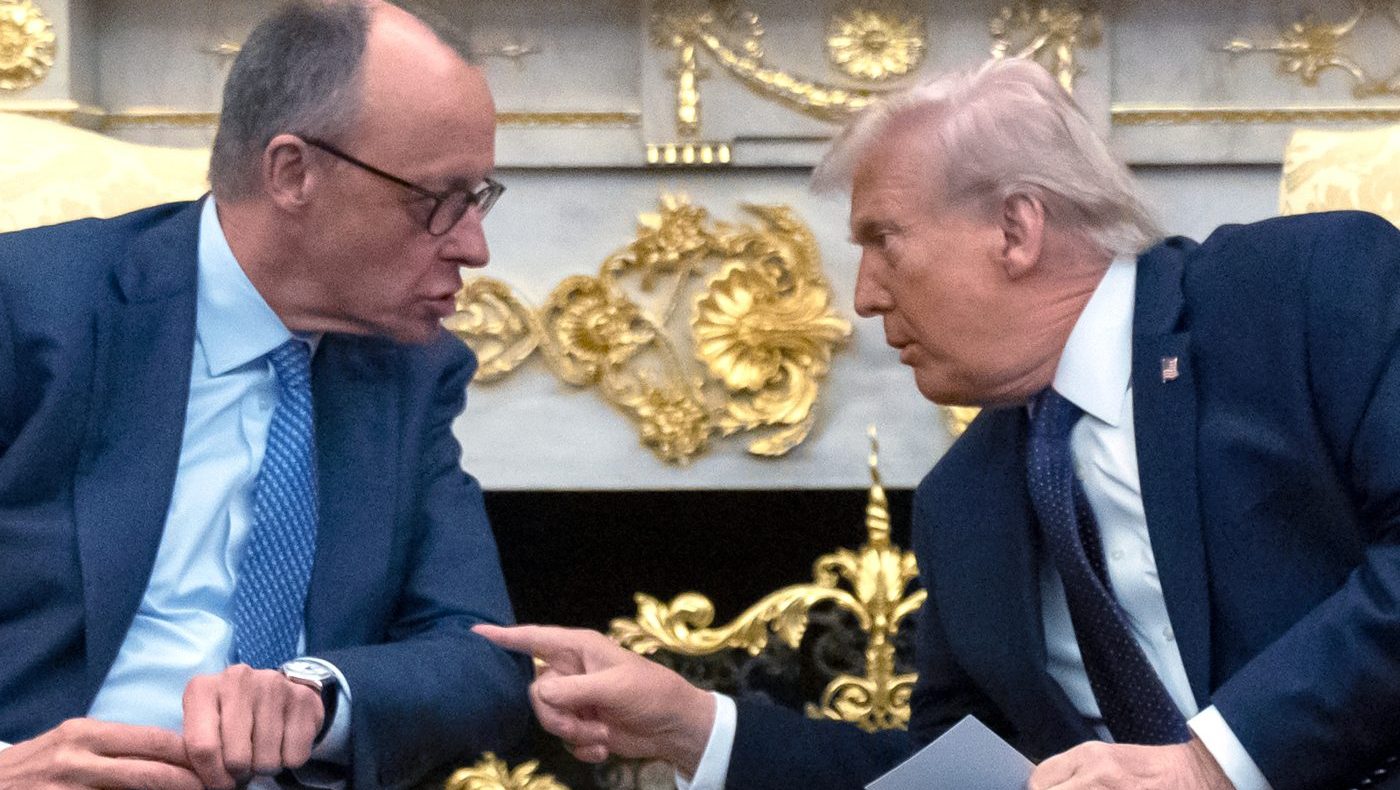
President Trump has directed the Pentagon to pull approximately 5,000 American service members out of Germany, a move that deepens his public rift with German Chancellor Friedrich Merz and signals a major shift in U.S. force posture in Europe. The order, issued Friday, will reduce the U.S. military presence in Germany to levels not seen since before 2022, according to a senior Pentagon official.
The drawdown will hit a brigade combat team and may extend to other units stationed in the country. Notably, the redeployment scuttles plans to station a long-range fires battalion in Germany later this year—a capability the previous administration had prioritized to bolster NATO's eastern flank.
Pentagon spokesperson Sean Parnell confirmed the withdrawal in a statement, saying it “follows a thorough review of the Department’s force posture in Europe and is in recognition of theater requirements and conditions on the ground.” The Pentagon expects the process to take between six and twelve months.
The move comes as the Trump administration has grown increasingly frustrated with Germany and other NATO allies for not shouldering a larger share of the burden during America's ongoing conflict with Iran. The White House has accused Berlin of failing to step up militarily or economically as Tehran disrupts global energy markets.
Chancellor Merz this week intensified the feud by stating that Iran was “humiliating” the United States as it chokes off the Strait of Hormuz, causing chaos in energy supplies. His comments have rankled Trump officials, who view them as undermining U.S. leadership.
The decision is likely to face sharp bipartisan backlash on Capitol Hill. Lawmakers from both parties have historically opposed significant troop reductions in Germany, arguing they weaken NATO and cede influence to Russia. Trump has also clashed with Congress over war powers, adding another layer of tension.
Critics contend the withdrawal is a politically motivated retaliation against Merz rather than a strategic recalibration. Supporters, however, argue it pressures European allies to invest more in their own defense and aligns with Trump's long-standing demand for NATO members to meet spending targets.
The redeployment will affect roughly 5,000 troops, bringing the total U.S. force in Germany down to pre-2022 levels. The Pentagon has not specified where those troops will be reassigned, though officials indicate some may shift to other European theaters or return to the United States.
This development adds to a series of confrontational moves by the Trump administration toward allies. The White House recently imposed a 25% tariff on European vehicles, further straining transatlantic relations. Meanwhile, Trump has used an Iran ceasefire to sidestep the War Powers Act deadline, drawing scrutiny from lawmakers.
As the drawdown unfolds over the next year, the political fallout is expected to dominate debates over U.S. commitments to NATO and the broader strategy for countering Russian and Iranian influence in Europe and the Middle East.