President Donald Trump formally notified Congress on Friday that the ongoing ceasefire with Iran has halted the 60-day clock under the War Powers Act, effectively sidestepping a requirement to seek congressional authorization for continued military action.
In a letter to lawmakers, Trump stated that the ceasefire, initially ordered on April 7, 2026, for two weeks, has been extended and that no exchange of fire between U.S. forces and Iran has occurred since. “The hostilities that began on February 28, 2026, have terminated,” the letter read.
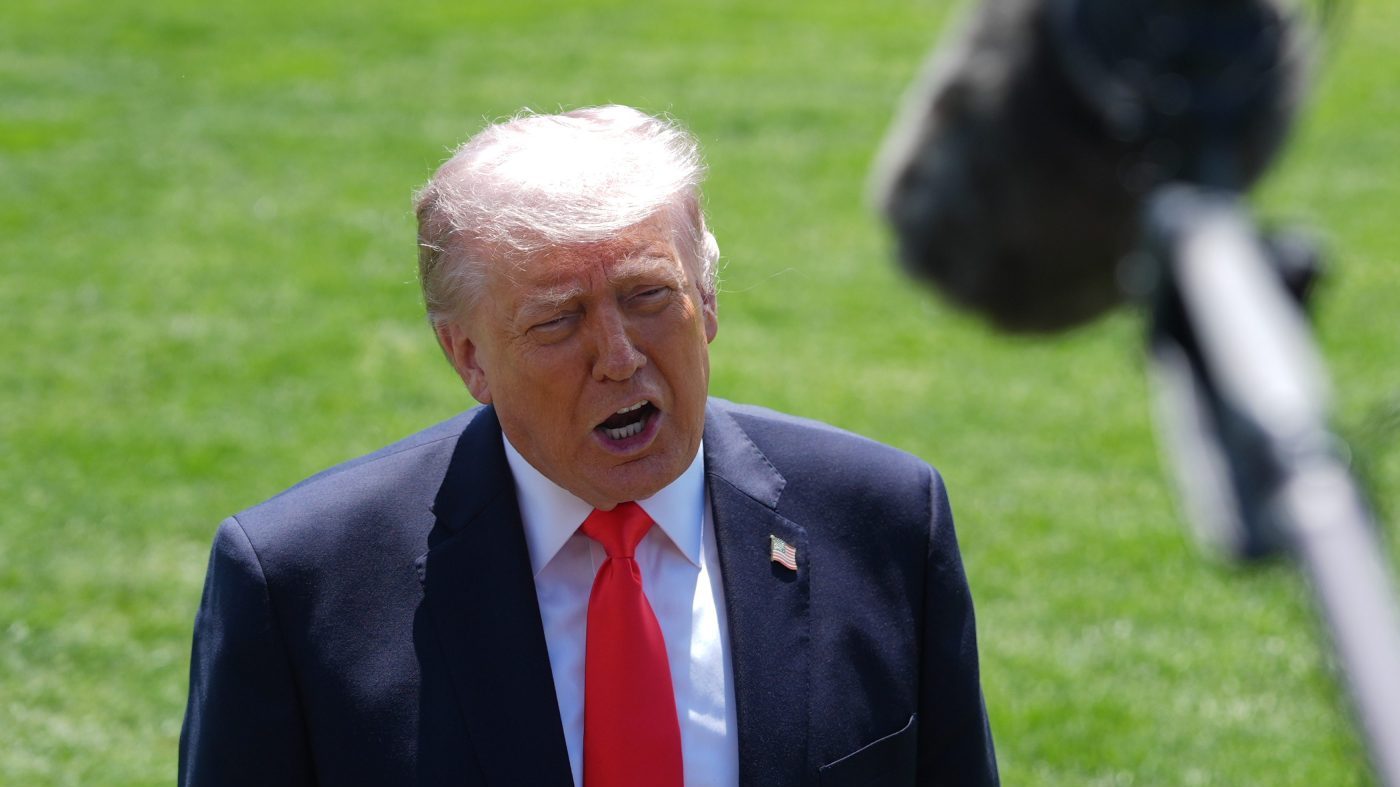
The move comes as the administration seeks to avoid a contentious debate on Capitol Hill over the legality of the conflict. Trump has repeatedly called the War Powers Act unconstitutional, a stance he reiterated Friday. “Nobody has ever gotten it before; they consider it totally unconstitutional,” he told reporters before departing for Florida. He added that the administration remains “in touch” with Congress.
Despite declaring an end to active hostilities, Trump acknowledged that the threat from Iran remains significant. “The Department of War continues to update its force posture in the AoR [Area of Responsibility] in select countries, as necessary and appropriate, to address Iranian and Iranian proxy forces’ threats,” he wrote.
Friday marks 60 days since Trump first informed Congress of the conflict on March 2, triggering the War Powers Act’s deadline. The act, passed in 1973 after the Vietnam War, is designed to limit a president’s ability to wage war without congressional approval. By using the ceasefire to reset the timeline, the White House appears intent on avoiding a formal authorization vote.
When pressed on why he hasn’t sought congressional approval to extend operations, Trump argued that no president has ever done so, despite historical precedent. Presidents from both parties have sought authorization in past conflicts, including in the Balkans and the Middle East. Critics say this move sets a dangerous precedent by allowing the executive branch to unilaterally define when hostilities begin and end.
The letter also highlighted ongoing efforts to secure a lasting peace, though negotiations remain stalled. The administration has framed the ceasefire as a tactical pause rather than a permanent resolution, with U.S. forces maintaining a heightened posture across the region.
This development comes amid a broader push by Trump to assert executive authority on national security matters. Earlier this week, Trump declared the War Powers Act unconstitutional as the conflict hit its 60-day mark, signaling his intent to challenge the law’s constraints.
Lawmakers from both parties have expressed concern over the administration’s approach. Some argue that the ceasefire is a procedural maneuver to avoid accountability, while others call for a formal debate on the scope of U.S. military engagement in Iran.
The White House has not indicated when it might seek congressional input on a broader strategy, leaving the door open for further unilateral action. As the ceasefire continues, the administration is likely to face growing pressure to define its long-term goals in the region.