President Trump announced Friday that he is raising tariffs on European Union vehicle imports to 25%, accusing the bloc of failing to uphold its end of a trade agreement reached last July. The decision, posted on Truth Social, marks a sharp escalation in transatlantic economic tensions and threatens to reignite a trade war that both sides had sought to avoid.
“Starting next week, we will increase the tariffs on cars and trucks coming into the U.S. from the E.U. to 25 percent,” Trump wrote. “It is fully understood and agreed that, if they produce Cars and Trucks in U.S.A. Plants, there will be NO TARIFF.” He added that “many Automobile and Truck Plants are currently under construction, with over 100 Billion Dollars being invested, A RECORD in the History of Car and Truck Manufacturing.”
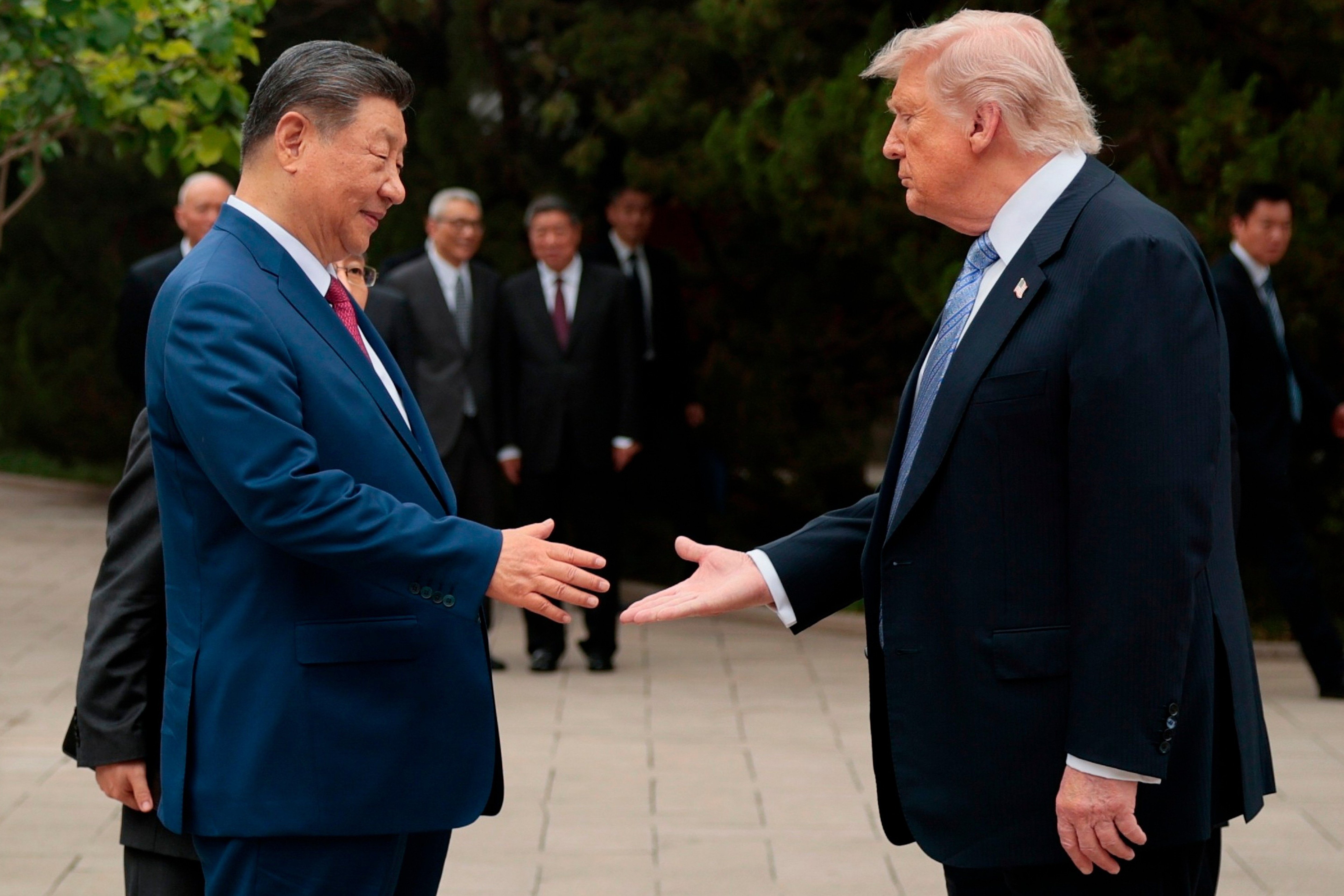
The tariff hike directly undercuts the deal Trump and European Commission President Ursula von der Leyen announced last July, which set a 15% tariff on European goods and included a pledge by the EU to purchase $750 billion worth of American energy. That agreement was seen as a compromise that prevented a 30% tariff Trump had previously threatened and averted a full-blown trade war. The new tariff represents a significant departure from that accord.
European leaders had already signaled they would not accept higher U.S. tariffs, particularly after a Supreme Court ruling in February struck down some of Trump’s broadest tariff authorities. The timing of Trump’s announcement also coincides with the ongoing Iran war, which has deepened divisions between Washington and European capitals. Trump has repeatedly criticized NATO allies for not contributing enough to the U.S.-led military campaign against Iran, while several European nations have denied the U.S. access to their airspace at various points during the conflict.
The tariff move is likely to further strain relations with key allies. European automakers, including Volkswagen, BMW, and Mercedes-Benz, have significant manufacturing operations in the U.S., but the new tax could still disrupt supply chains and raise prices for consumers. The White House has framed the tariff as a tool to force more auto production onto American soil, echoing Trump’s long-standing “America First” industrial policy.
The announcement comes as the administration faces multiple legal and political challenges. A federal judge recently blocked Trump’s halt on immigration applications, citing indefinite limbo for thousands of applicants. Meanwhile, the president’s retribution campaign has drawn scrutiny for both smart strikes and costly missteps. The tariff escalation also adds to the backdrop of the Iran conflict, where a war powers deadline recently passed as Trump signed a partial DHS funding bill.
Trump’s latest trade salvo is likely to provoke a swift response from Brussels. EU officials have previously warned that any unilateral tariff increase would be met with retaliatory measures, potentially targeting American exports such as soybeans, bourbon, and motorcycles. The move could also complicate ongoing negotiations over defense burden-sharing within NATO, as European nations remain wary of Trump’s transactional approach to alliances.
For now, the president appears to be betting that his hardline stance will force European automakers to expand U.S. production, creating jobs and fulfilling a key campaign promise. Whether that gamble pays off—or triggers a cycle of retaliation that damages both economies—remains an open question.