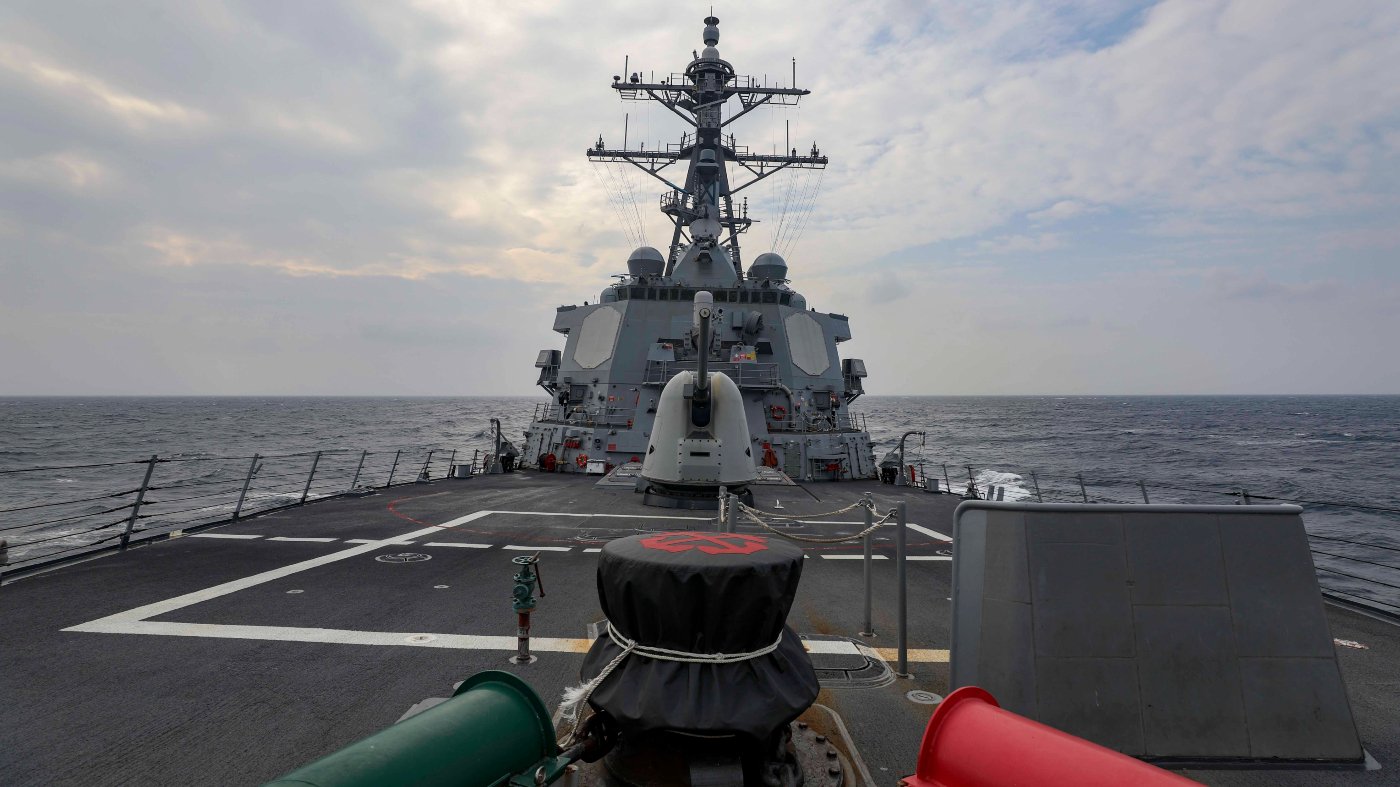
A U.S. Navy destroyer operating in the Indo-Pacific region experienced a significant engineering casualty this week, losing both power and propulsion after an electrical malfunction sparked concerns aboard the vessel.
The USS Higgins, an Arleigh Burke-class destroyer homeported in Yokosuka, Japan, suffered the incident on Tuesday. According to Cmdr. Matthew Comer, a spokesperson for the U.S. 7th Fleet, the malfunction affected the ship's electrical distribution system, leading to what he described as an “engineering casualty.”
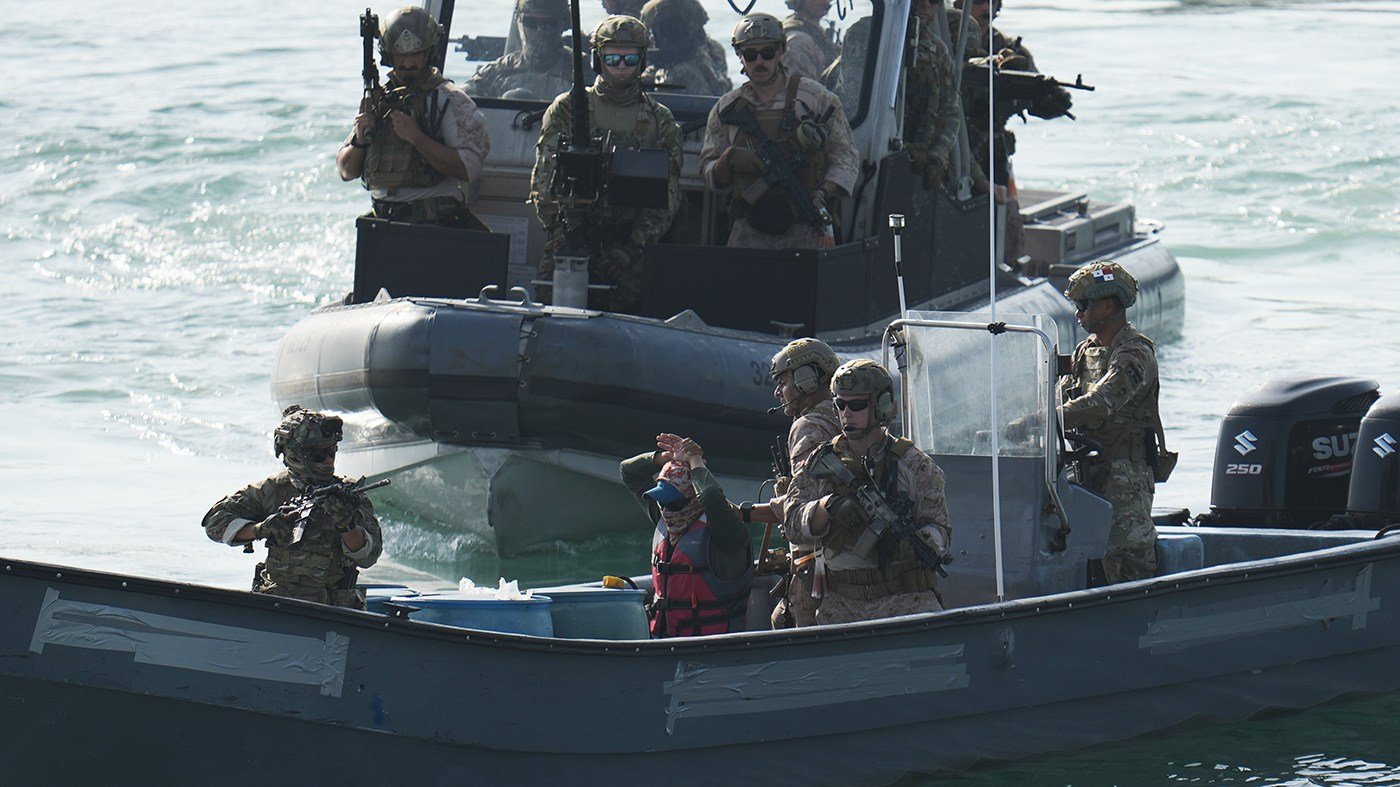
Comer told The Hill that the electrical issue may have produced “sparking or smoke that ceased once power was removed.” CBS News reported that a fire broke out on the ship, though it was quickly contained. The ship carries approximately 300 sailors.
“There were no injuries to the crew onboard,” Comer said, adding that power has since been restored to the vessel, which was commissioned in 1999. The loss of propulsion lasted for several hours, according to a Defense official cited by CNN.
This is not the first electrical fire to disrupt a U.S. Navy vessel this year. In April, the aircraft carrier USS Dwight D. Eisenhower experienced a small fire that injured several sailors, as reported by the U.S. Naval Institute. Similarly, the USS Gerald R. Ford, the world’s largest aircraft carrier, had a fire in its laundry spaces that left two sailors injured.
The Higgins incident comes amid heightened U.S. naval activity in the Indo-Pacific, where the military has maintained a forward-deployed presence to deter regional threats. Investigations into the cause of the malfunction are ongoing, and Navy officials have not indicated any broader operational impact.
The broader political context includes ongoing debates over executive war powers, as seen in recent pushes by Democrats to limit presidential authority on Iran. While unrelated to the Higgins incident, such debates underscore the complex security environment in which the Navy operates.