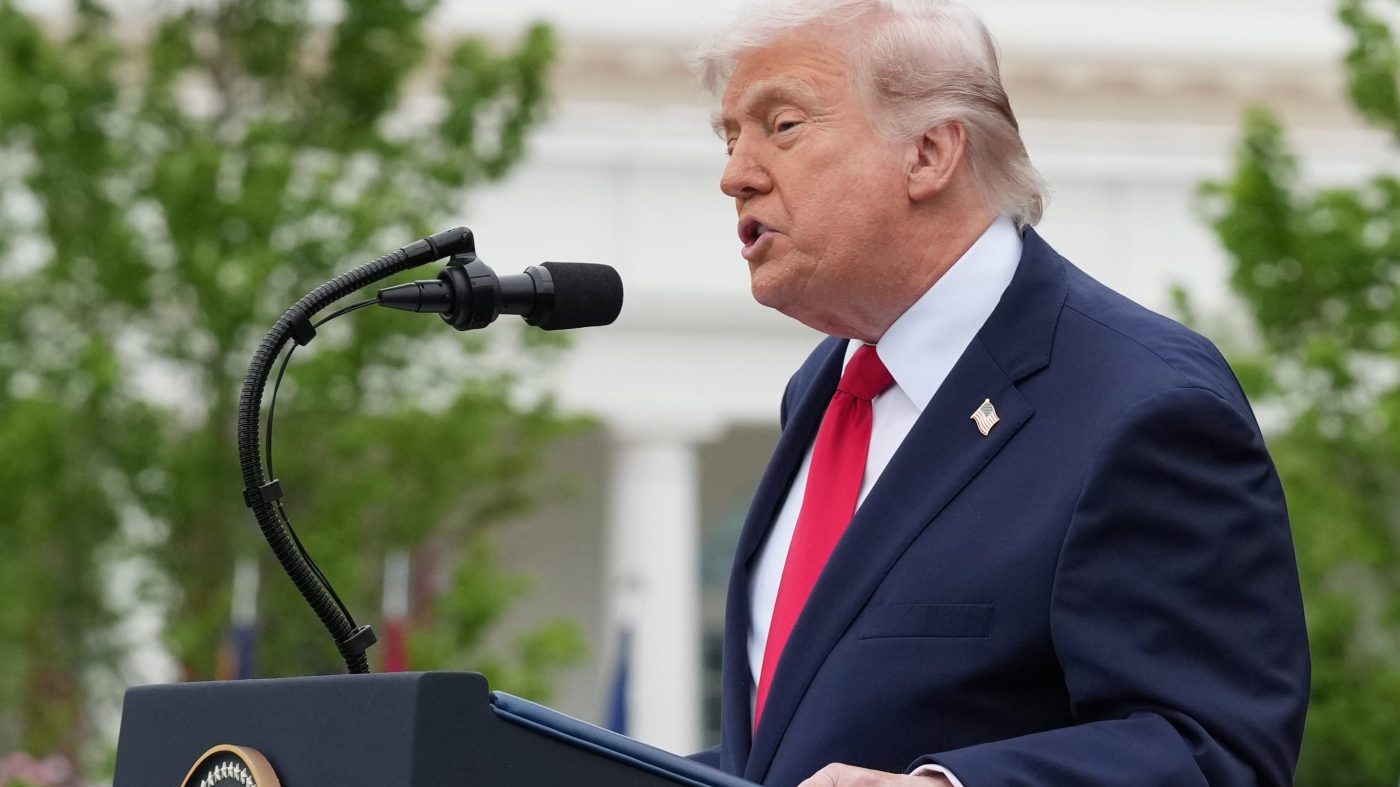
President Donald Trump declared Thursday that the United States has effectively won its military confrontation with Iran, but he is pushing for a more decisive outcome as nuclear negotiations remain deadlocked.
In an interview with Newsmax's Greta Van Susteren, Trump asserted, “We’ve already won, but I want to win by a bigger margin.” He described the damage inflicted on Iran as total, saying, “We’ve destroyed everything. If we leave right now, it will take them 20 years to rebuild, if they ever could rebuild, but it’s actually not good enough.” The president insisted on ironclad guarantees that Iran will never acquire a nuclear weapon, warning that Tehran would use such a weapon if it obtained one. “I know people,” Trump said. “They will use the nuclear weapon, and we’re not going to give them a chance to do it.”
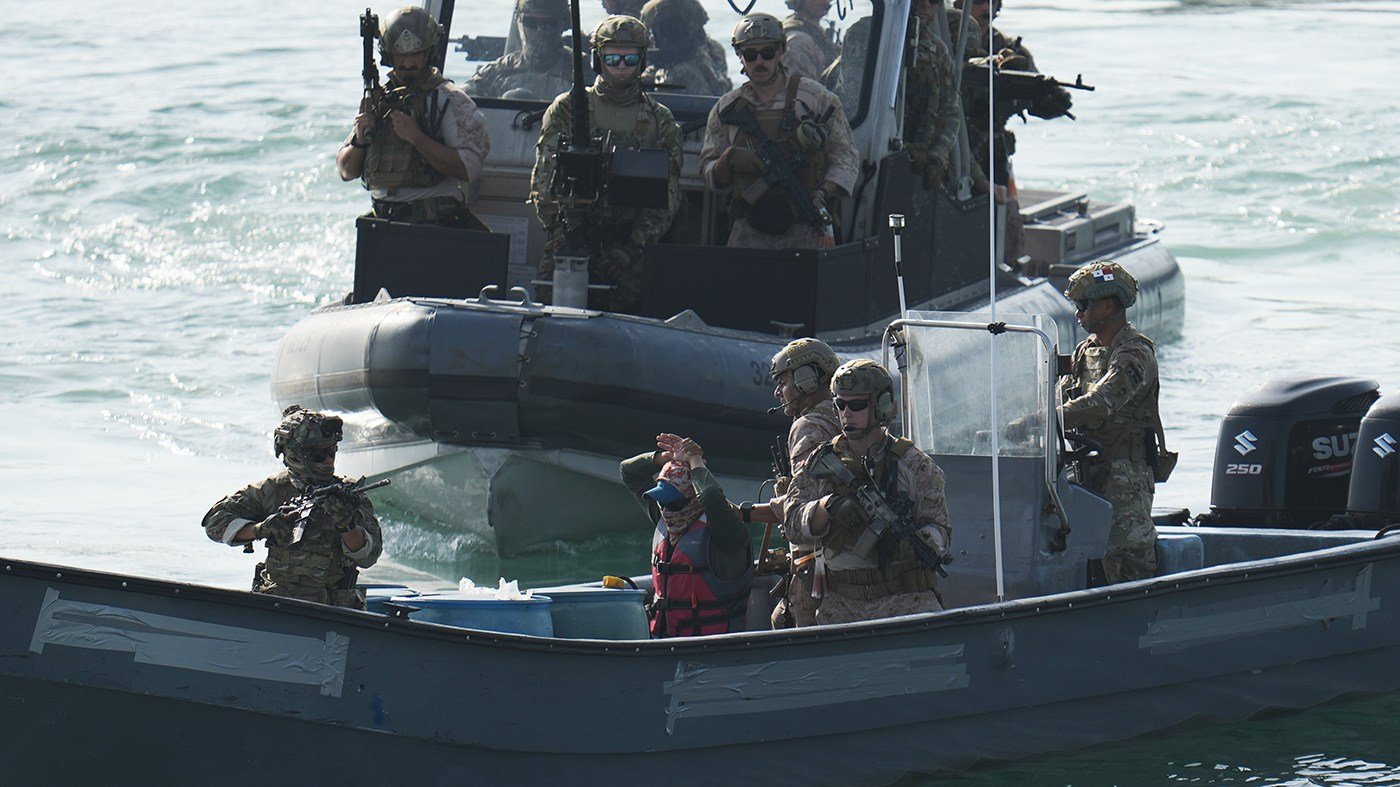
The U.S. and Israel launched a joint strike on February 28 that killed Iran’s Supreme Leader Ayatollah Ali Khamenei and other top officials. Since then, the Trump administration has been trying to broker a new nuclear deal, having withdrawn from the 2015 agreement during his first term. This military action and the subsequent diplomatic push come amid a broader pattern of aggressive foreign policy moves, including Trump's recent decision to escalate the trade war with the EU by imposing a 25% tariff on European vehicles.
On Wednesday, Trump rejected a new Iranian proposal to reopen the Strait of Hormuz in exchange for lifting the U.S. naval blockade on Iranian ports and vessels. The effective closure of this critical oil trading corridor has severely strained global energy supplies and driven fuel costs sharply higher. International benchmark Brent crude briefly hit $126 per barrel early Thursday—the highest since 2022—before settling around $111. By Friday morning, Brent was trading just under $108 a barrel.
Domestically, the average price of regular gasoline rose to $4.39 per gallon on Friday, according to AAA. The White House has dismissed these increases as temporary, labeling them short-term pains necessary for a long-term peace deal. However, internal administration disagreements have surfaced. Energy Secretary Chris Wright told CNN that gas prices might not fall below $3 a gallon until next year, a forecast Trump called “totally wrong” in a phone call with The Hill. This friction echoes other recent internal tensions, such as the dispute over friendly fire claims in the WHCA shooting that the Secret Service and Trump rejected.
White House spokesperson Taylor Rogers defended the administration’s position in a statement to The Hill last week, asserting that the energy cost increases are temporary. “President Trump brought oil and gas prices down to multi-year lows at record speed, and as traffic in the Strait of Hormuz normalizes, these energy prices will plummet once again,” Rogers said. “The President was always clear that these were short-term, temporary disruptions that would be resolved through the unprecedented successes of Operation Epic Fury and ongoing peace talks.”
The standoff underscores the high stakes of Trump’s maximalist approach to Iran, as he seeks a victory that goes beyond military destruction to secure lasting nuclear concessions. With oil markets volatile and domestic gasoline prices climbing, the political and economic pressure is mounting. The administration’s insistence on a “bigger margin” suggests no immediate end to the crisis, even as the costs of the conflict ripple through the global economy.