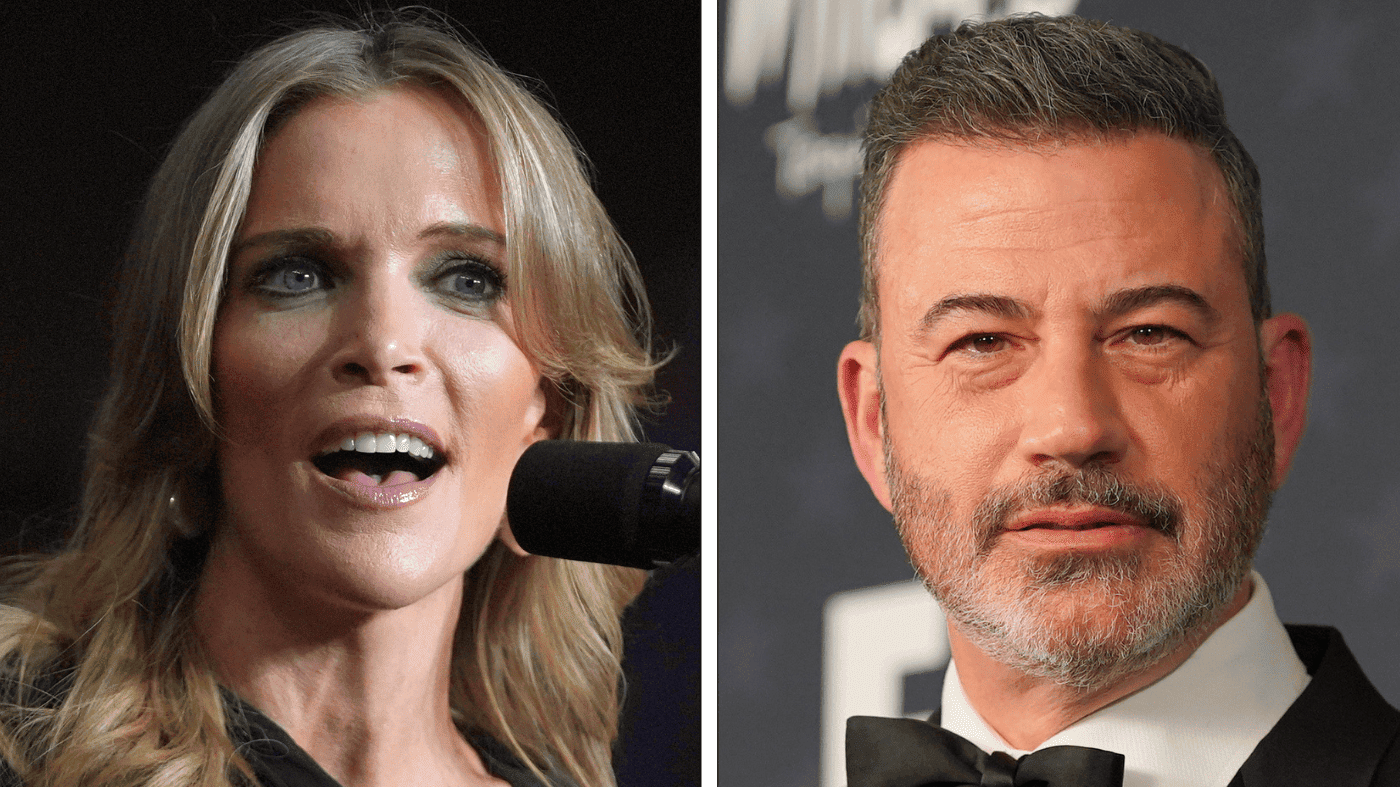
Conservative commentator Megyn Kelly has publicly criticized President Donald Trump for demanding that ABC fire late-night host Jimmy Kimmel, following a joke Kimmel made about first lady Melania Trump. Kelly described the president's intervention as “very inappropriate,” warning that a sitting president should not pressure private companies to terminate employees over protected speech.
During an interview with comedian Adam Carolla on her podcast, Kelly acknowledged that while she found Kimmel’s joke personally “out of line,” she took issue with Trump’s call for ABC to dismiss the host. “The president of the United States should not be calling for any private company to fire any employee, especially over free speech,” Kelly said, in remarks first highlighted by Mediaite.
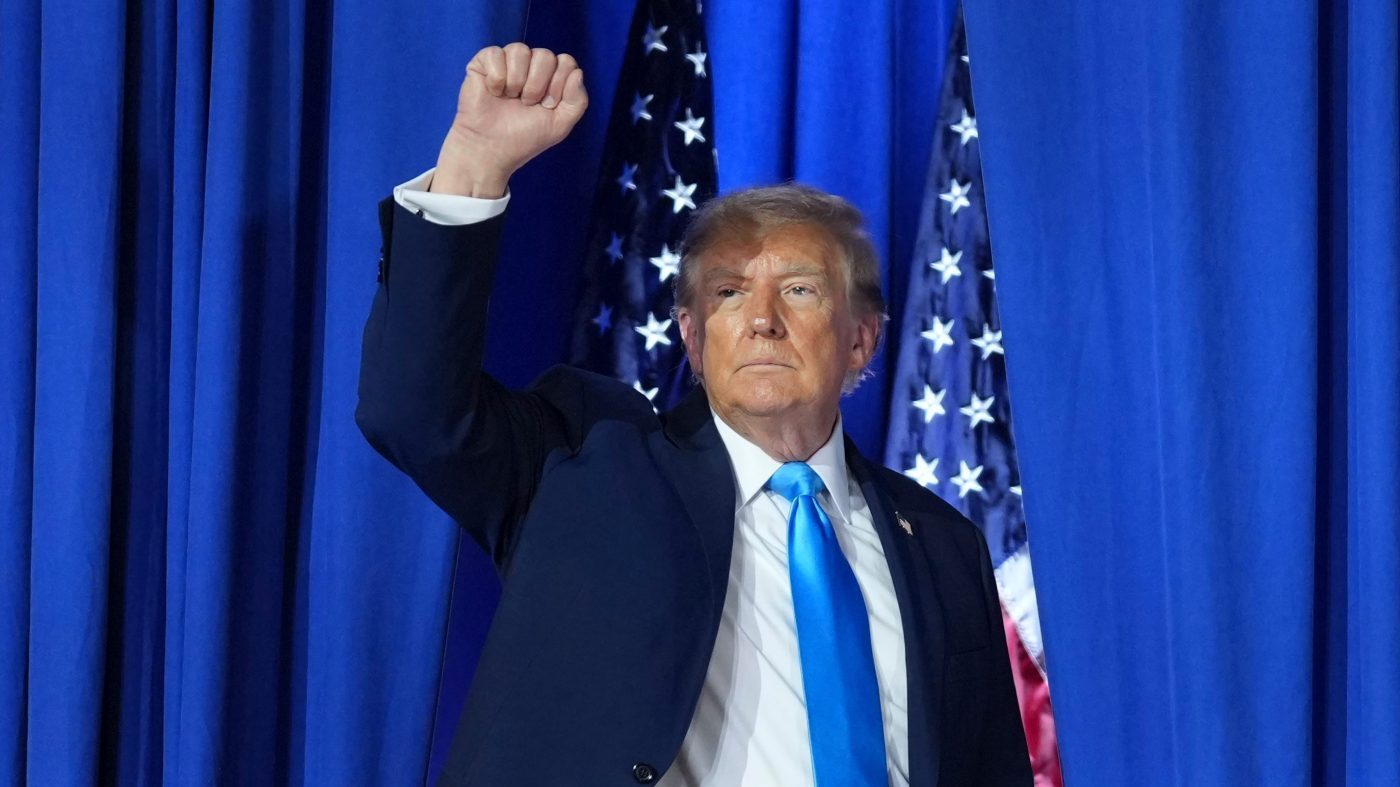
Kimmel’s controversial remark came at the White House Correspondents’ Association dinner, where he quipped that Melania Trump had the “glow” of “an expectant widow.” The joke landed just two days before an apparent assassination attempt at the same event, which Trump survived. Kimmel later clarified that the line was meant as a “very light roast joke about the fact that he’s almost 80 and she’s younger than I am.”
Kelly’s critique extended beyond the immediate controversy, pointing to what she sees as hypocrisy at ABC and its parent company, Disney. “My only position on it is ABC set the rules for how we engage in cancel culture. They have lots of examples. They’ve got many scalps on their wall,” she said. “And if we’re gonna go by ABC/Disney’s standards, then it’s not good news for Jimmy. The standard has to be applied even when the person offended is a Republican. But of course, ABC doesn’t really operate that way.”
Trump’s call to fire Kimmel came as the White House escalated its feud with the network. The Federal Communications Commission, led by Trump-appointed Chair Brendan Carr, announced it would conduct an early review of broadcast licenses for several local stations owned by Disney. The FCC has framed the review as related to Disney’s diversity, equity, and inclusion policies, though Carr has pushed back on suggestions that it was prompted by Trump’s pressure.
The incident is the latest flashpoint in Trump’s ongoing war with the media, which has intensified after the assassination attempt. The president has repeatedly targeted outlets he views as hostile, and his call for Kimmel’s firing fits a broader pattern of using government authority to punish perceived enemies. Kelly’s rebuke underscores the divide among conservatives over how far the president should go in wielding his influence against private companies.
For ABC and Disney, the situation presents a delicate balancing act. The network has not publicly commented on Trump’s demand, but the FCC review adds a layer of regulatory pressure that could have long-term implications for Disney’s media holdings. Meanwhile, Kimmel has continued his show without interruption, though the controversy has drawn fresh attention to the boundaries of political satire in a polarized era.
As the White House pushes forward with its agenda, including a proposal for tax-free Social Security benefits in Florida, the Kimmel episode serves as a reminder of how quickly Trump’s confrontations with the media can spill into policy and regulatory battles. The president’s brief unity pivot after the assassination attempt appears to have given way to a more combative posture, one that Kelly and others argue risks undermining free speech norms.