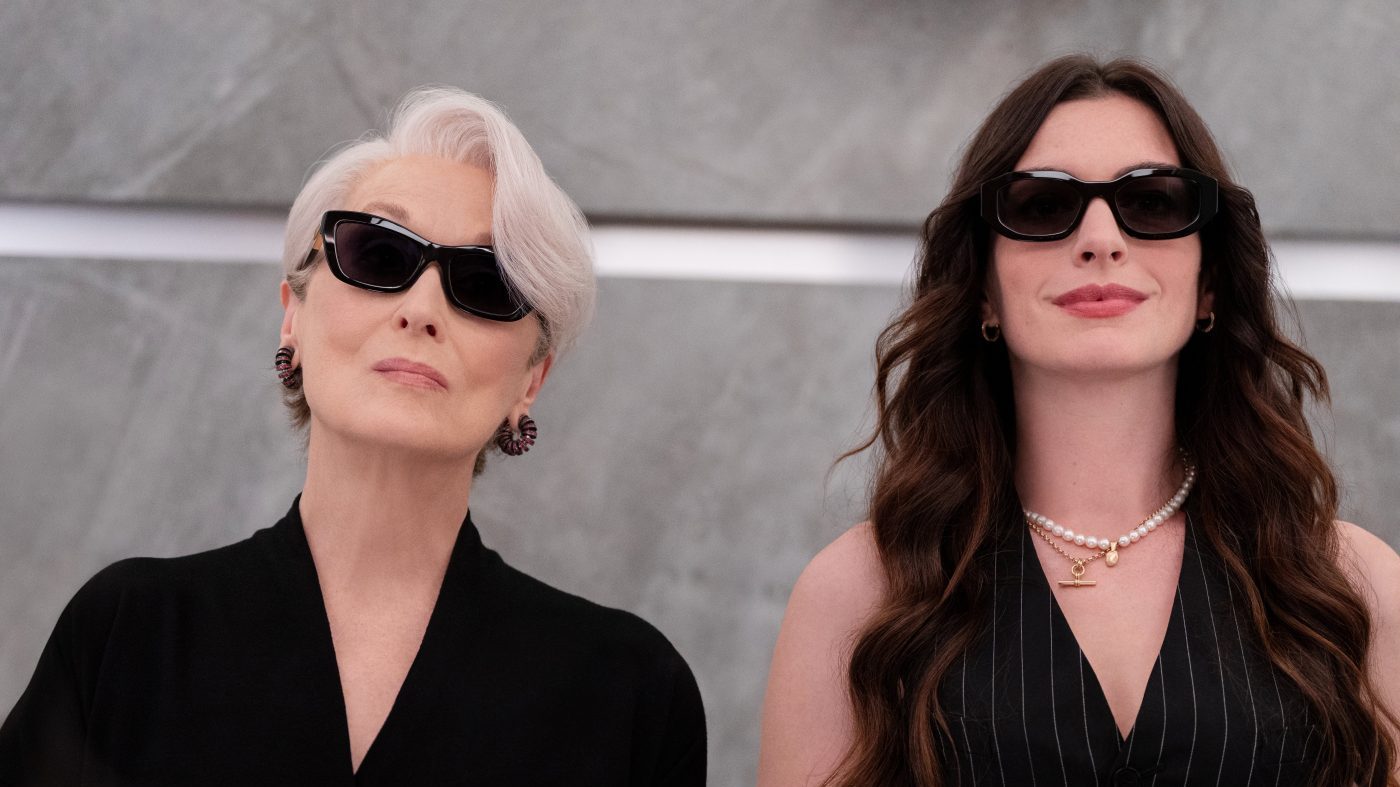
The upcoming release of The Devil Wears Prada 2 has ignited a firestorm of criticism across Asia, with audiences in China, Japan, South Korea, and Hong Kong calling for boycotts. The controversy centers on a minor character whose name, critics say, closely resembles a racist anti-Asian slur.
At the heart of the backlash is the character Jin Chao, played by Helen J Shen. In a 38-second clip released by 20th Century Studios on April 16, Chao is introduced as a new assistant to Andy Sachs, played by Anne Hathaway. She rattles off her credentials—a Yale degree with a 3.86 GPA, a high ACT score, and a role as lead soprano in the university's a cappella group—in a scene that many viewers found steeped in tired stereotypes.
Critics argue that the character's name, Jin Chao, sounds like the racial epithet “ching chong,” and that her portrayal as an academically overachieving but socially awkward Asian woman reinforces a lazy, harmful trope. Independent journalist Tanya Chen called the characterization “a big lazy stupid trope in film,” pointing to Hollywood's long history of reducing Asian side characters to one-dimensional stereotypes.
The backlash has drawn the attention of The Asian American Foundation (TAAF), which released a statement condemning the depiction. “It’s unfortunate that offensive stereotypes continue to color how Asian American communities are perceived today, whether spread intentionally or not,” TAAF said. “This is an everyday reality we face, and why TAAF invests in storytellers focused on capturing the full humanity of our community.”
The controversy comes amid broader debates about representation in Hollywood. According to TAAF, Asian characters hold only 6 percent of leading roles in film and television projects, while representing just 3.8 percent of broadcast television roles and less than 2 percent of leading roles on cable. The group has called for more nuanced storytelling, noting that “outdated tropes, stereotypical storylines, and long-standing invisibility create opportunities for boundary-pushing creators.”
The boycott movement has gained traction across social media platforms in Asia, with users urging theaters to drop the film and calling for a more respectful approach to Asian characters in Hollywood. The studio has not yet responded to requests for comment on the controversy.
This incident echoes a broader pattern of cultural sensitivity clashes in the entertainment industry, similar to the political battles over redistricting that have divided Southern states, where representation and fairness are also at issue. The film's release in the U.S. is scheduled for later this week, but the backlash may dampen its reception both domestically and abroad.