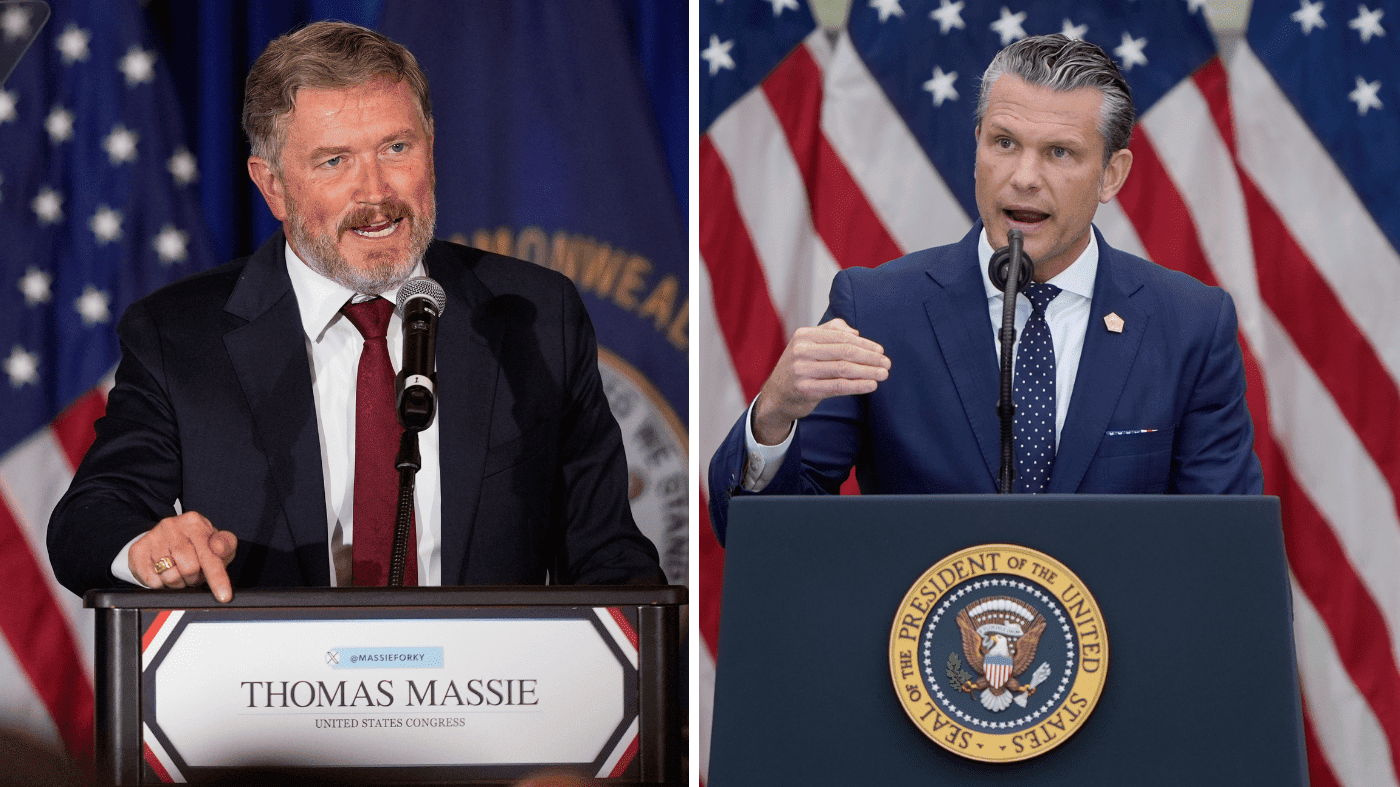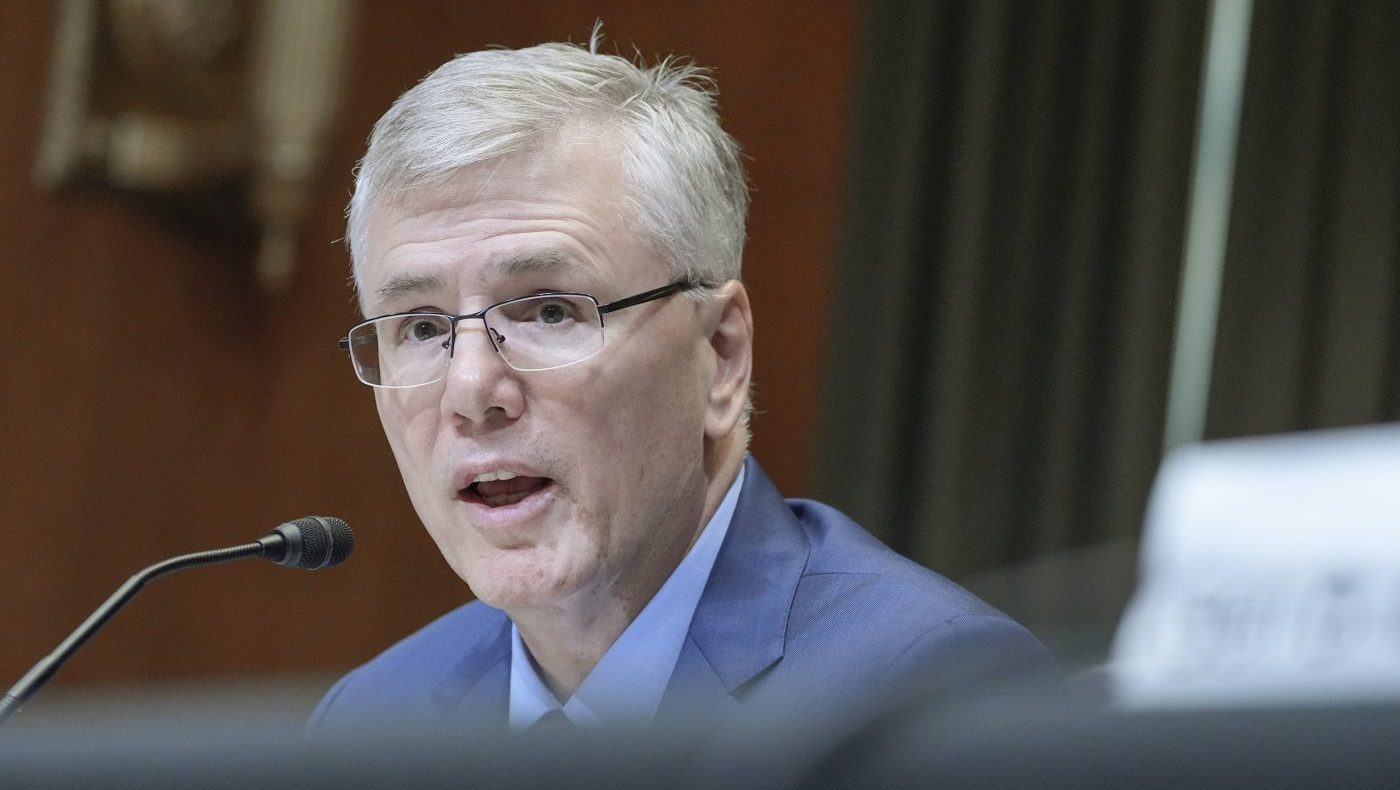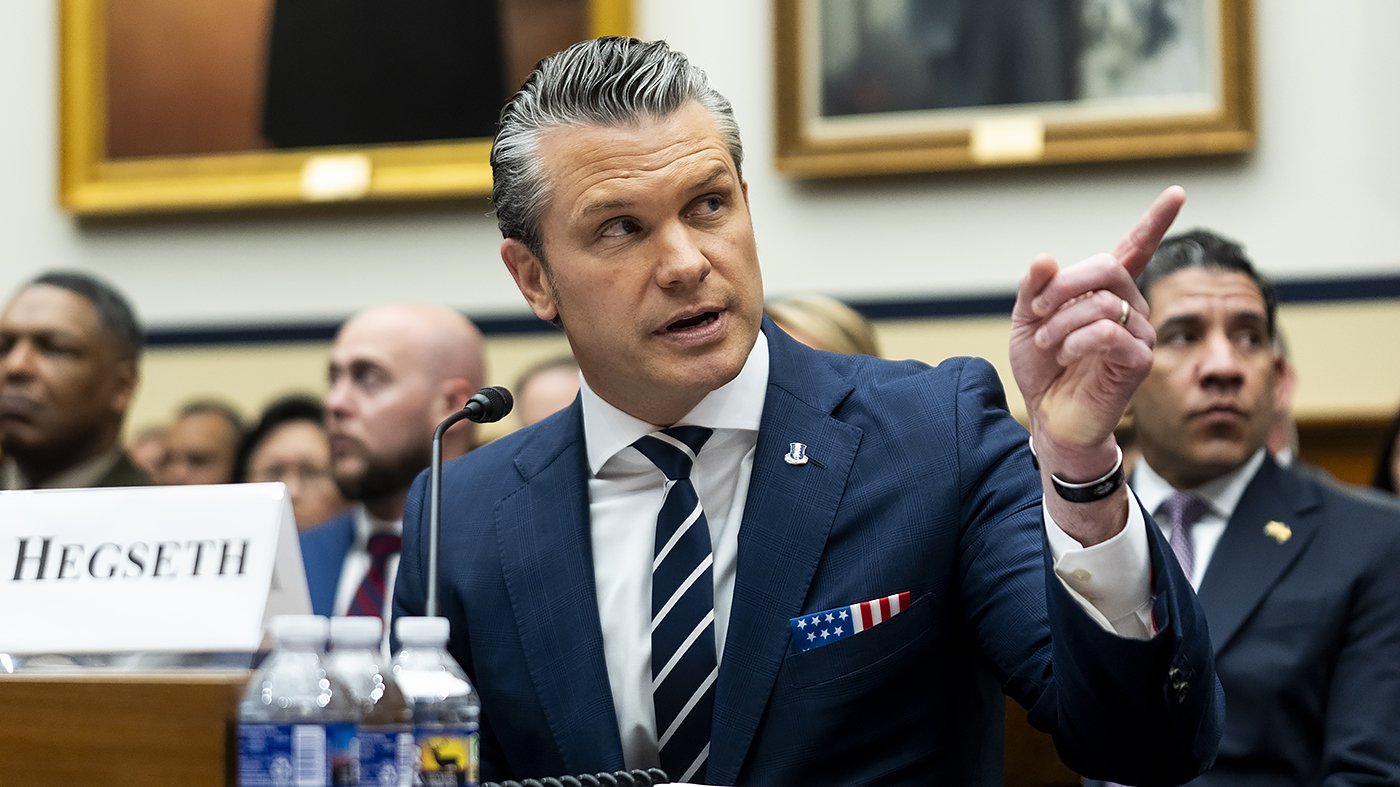
Defense Secretary Pete Hegseth returned to Capitol Hill on Thursday morning for a contentious hearing before the Senate Armed Services Committee, defending President Trump's $1.5 trillion defense budget and the administration's military operation in Iran, including the blockade of the Strait of Hormuz.
The session follows a heated appearance in the House on Wednesday, where lawmakers pressed Hegseth on the escalating Middle East conflict as it approaches the 60-day mark, recent firings of senior military leaders, and the Pentagon's decision to withhold $400 million in aid for Ukraine. The Senate hearing, scheduled to begin at 11 a.m. EDT, is expected to delve deeper into these controversies.
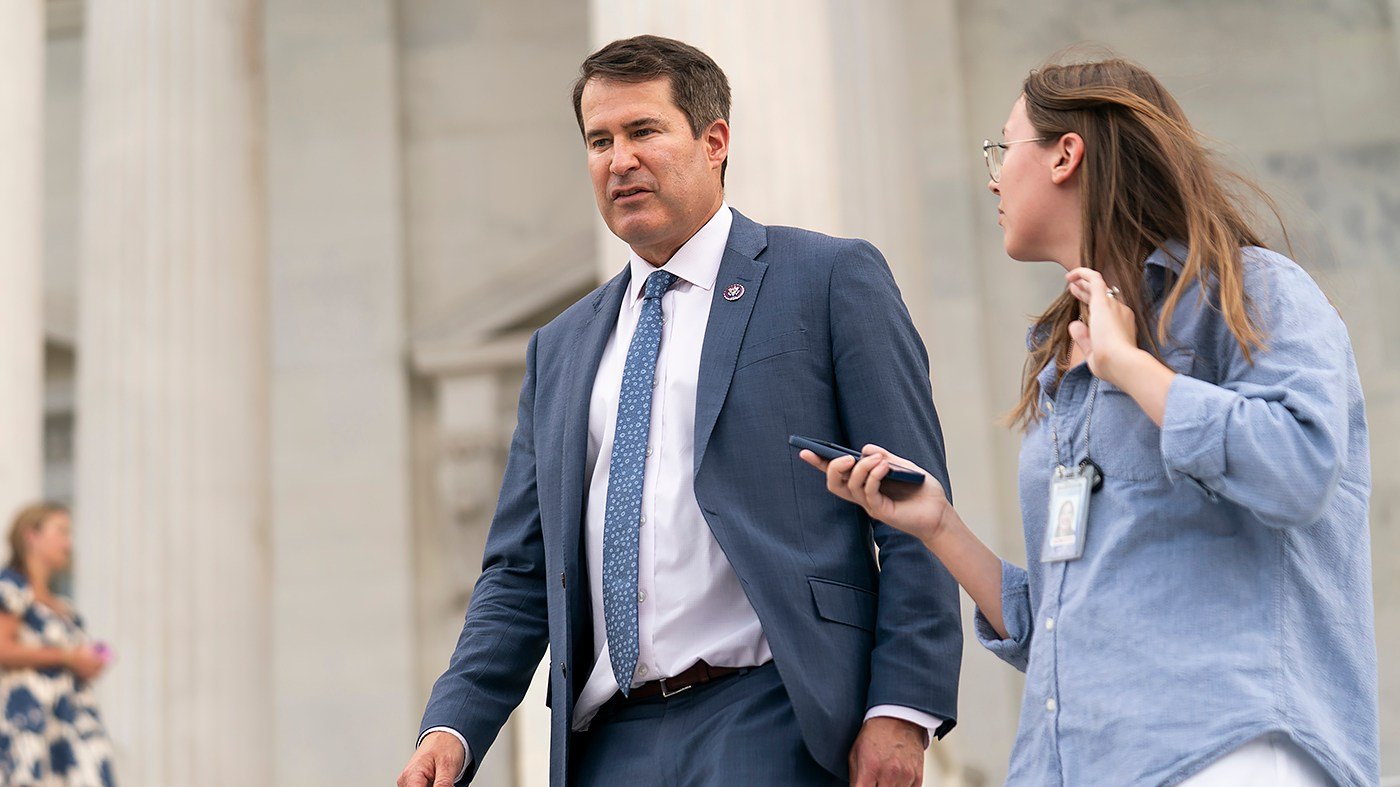
Senators from both parties are likely to challenge Hegseth on the cost of the Iran operation. Earlier this week, the Pentagon revealed a $25 billion price tag for the conflict, with munitions accounting for the bulk of spending. Critics have pointed to the administration's lack of transparency in budgeting for the campaign, which includes a naval blockade that has disrupted global oil shipments.
The hearing also comes amid broader fiscal pressures. The Trump administration faces a cash crunch, with House Speaker Mike Johnson weighing a Department of Homeland Security funding bill that could further strain the budget. Meanwhile, proposed cuts to NASA's budget have drawn bipartisan criticism, with lawmakers warning that the cuts threaten progress on the Artemis II mission.
Hegseth's appearance follows a series of clashes with Democratic lawmakers. In a recent exchange, Representative Ro Khanna pressed Hegseth on hidden costs of the Iran war, while Representative Katherine Clark slammed the defense secretary for skipping Hill briefings before the conflict began, as gas prices surged at home.
The Senate grilling is also expected to address the firing of the Army chief and other senior military personnel. Critics argue these dismissals have eroded morale and military readiness, while the administration defends them as necessary for aligning the Pentagon with its strategic priorities.
On Ukraine, the Pentagon's release of $400 million in aid came only after pressure from Senate Minority Leader Mitch McConnell, who published an op-ed urging the administration to unlock the funds. The delay has fueled concerns among allies about U.S. commitment to Kyiv as the war with Russia grinds on.
The hearing is being closely watched as a gauge of congressional support for the administration's defense and foreign policy agenda. With the Iran conflict showing no signs of abating and budget battles looming, Hegseth faces an uphill battle to secure the funding and political backing needed to sustain the current course.