Popular collectible Labubu dolls, sold in blind boxes across the United States, are at the center of a new controversy over forced labor in China’s Xinjiang region. Independent testing commissioned by The New York Times found that 16 out of 20 dolls purchased in the U.S. contained cotton whose isotopic signature matches farms in Xinjiang, where state-imposed forced labor is widespread.
The investigation follows a tip received by the Campaign for Uyghurs in 2025. The findings underscore how deeply Beijing’s repression of Uyghurs is embedded in global supply chains, even affecting trendy toys on American shelves. Under the Uyghur Forced Labor Prevention Act (UFLPA), products like these should have been stopped at the border.
Pop Mart’s Sourcing Decisions Under Scrutiny
Pop Mart, the Chinese company behind Labubu, has a track record of defending its use of Xinjiang cotton. When Adidas pledged to stop sourcing from the region due to forced labor concerns, Pop Mart ended a lucrative partnership and filed court documents in China arguing that Adidas had “baselessly smeared Xinjiang” and “seriously hurt the feelings of the Chinese people.” CEO Wang Ning has publicly backed the use of Xinjiang cotton.
Xinjiang produces more than 90 percent of China’s cotton and roughly 20 percent of the global supply. Pop Mart’s manufacturing hubs in Guangdong and Hebei rely on regular “cotton trains” from the region, often routed through intermediaries. Experts say a truly clean cotton supply chain inside China is nearly impossible to maintain.
Expanding Forced Labor System
Research from the Victims of Communism Memorial Foundation identifies Xinjiang as the world’s largest system of state-imposed forced labor, putting up to 2.5 million Uyghurs, Kazakhs, and other ethnic minorities at risk. In 2025 alone, authorities carried out 3.36 million “labor transfers”—forced relocations to farms and factories—the highest annual figure ever recorded and 22 percent above the government’s own quota.
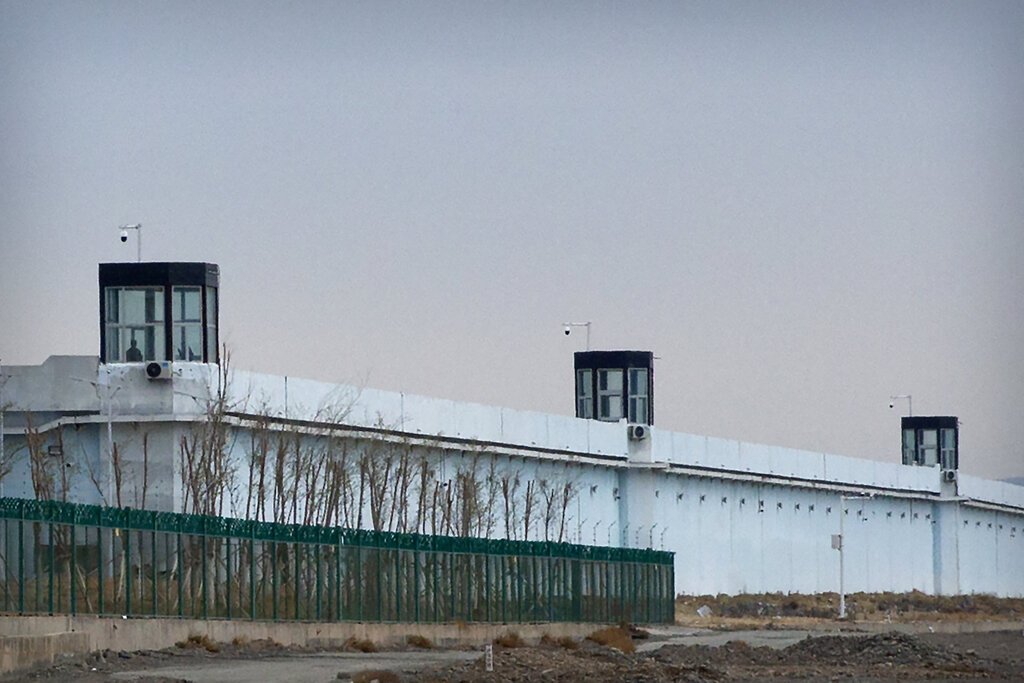
A former Han Chinese police officer who fled the country described supervising groups of Uyghurs forced to harvest cotton under heavy security. Those who refused state-mandated labor transfers were sent to short-term detention facilities and “intentionally subjected to hardship and suffering” until they complied.
Beijing is expanding the model. When Chen Xiaojiang became Xinjiang party secretary in July 2025, his first factory visit was to Aksu Huafu Color Spinning, a company already blacklisted under the UFLPA. He called for expanding the cotton and textile sectors to increase “employment capacity” and spoke of the need to “control the belly and the mind,” tying material sustenance to ideological transformation.
Trade Data Shows Rising Exports Despite Restrictions
Official Chinese customs figures show direct exports from Xinjiang to Canada, Britain, and the European Union rose 465 percent from 2021 to 2025, and 71 percent from 2024 to 2025 alone. Despite import restrictions, Xinjiang yarn output increased 20 percent in 2025 and fabric production 36 percent, creating tens of thousands of new jobs in an industry built on coercion.
Cotton is only part of the story. Xinjiang supplies 14 to 15 percent of the world’s tomato paste, about 10 percent of its chili peppers, and nearly two-thirds of a key red pigment used in cosmetics and food coloring. A 2024 investigation tied 72 international and 18 Chinese companies, including Kraft Heinz, Nestlé, Del Monte, PepsiCo, McCormick, Unilever, and L’Oréal, to supply chains linked to forced labor.
Enforcement Gaps Under the UFLPA
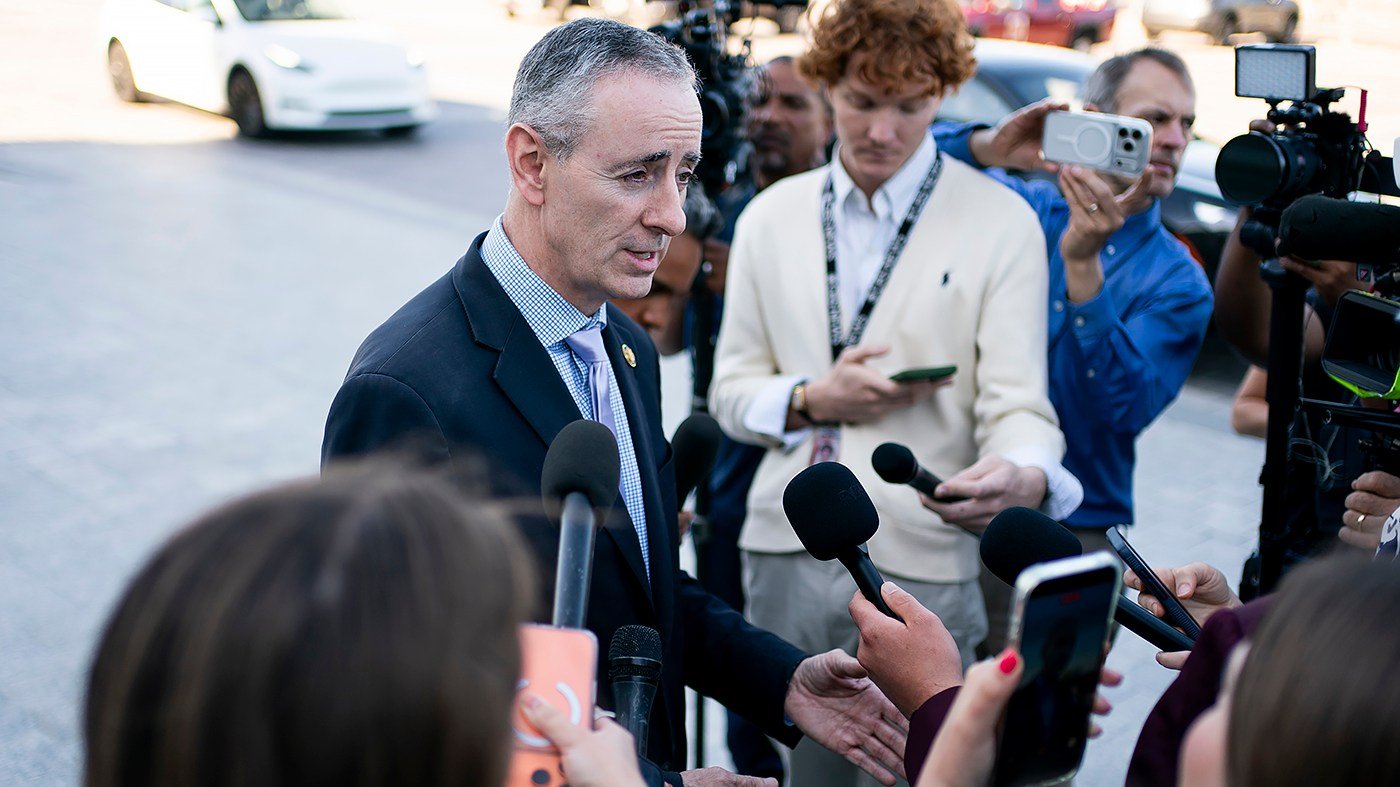
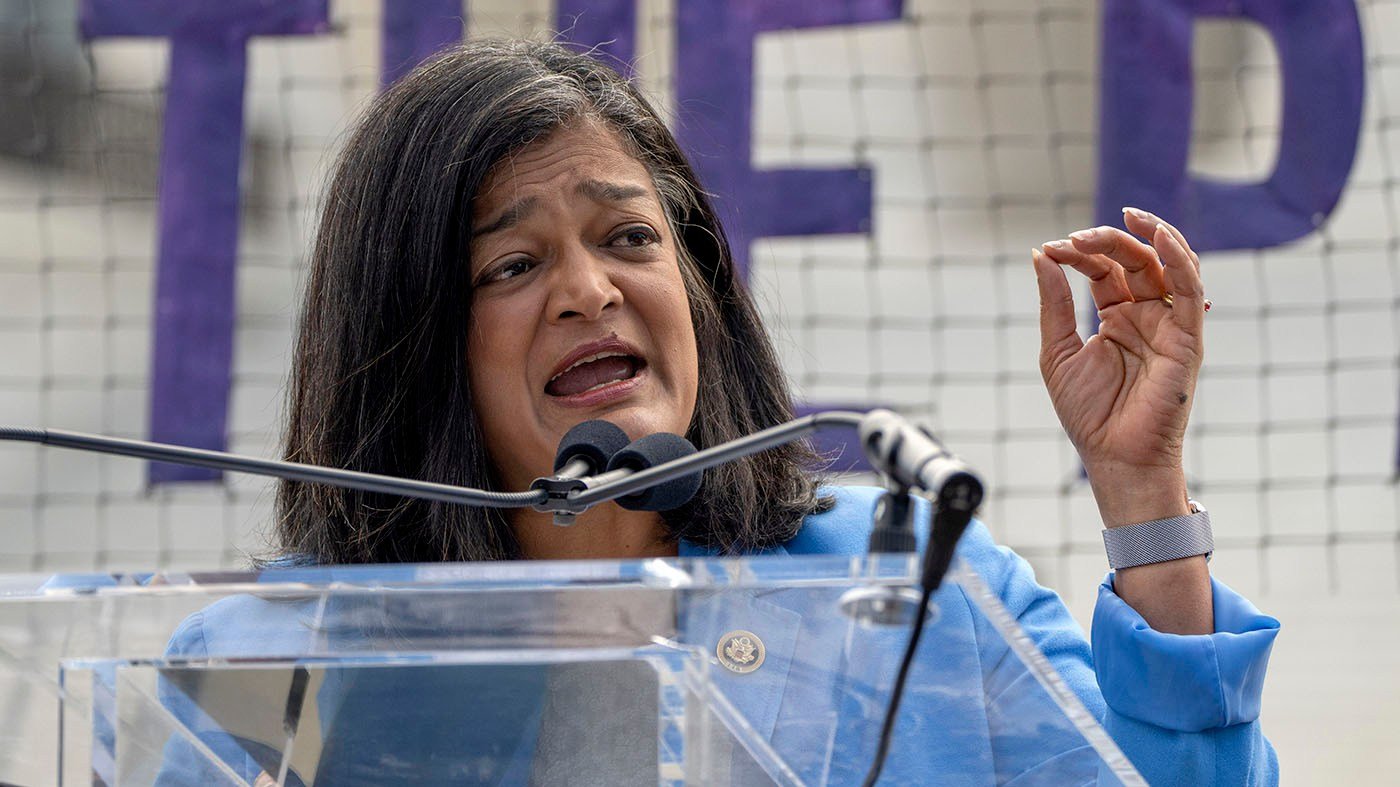
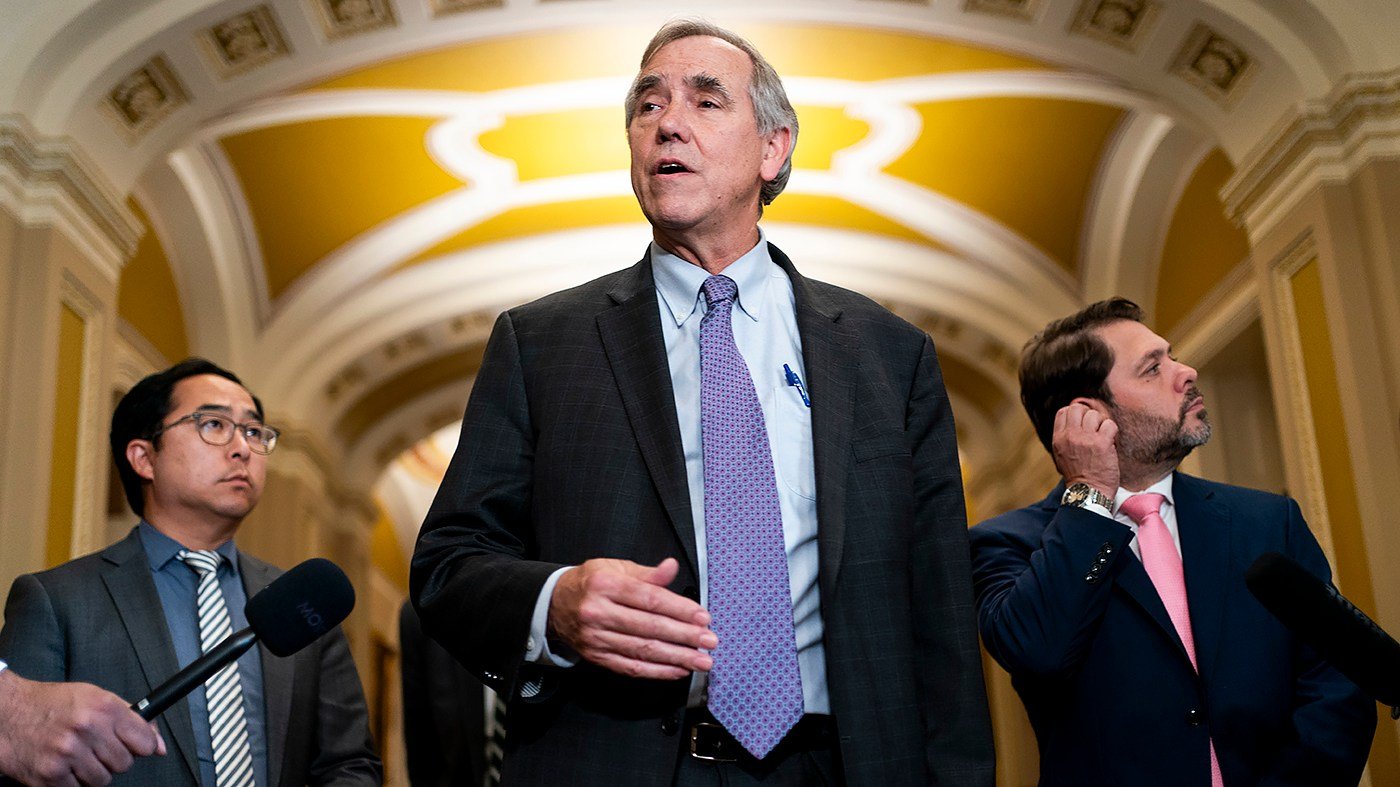
The Uyghur Forced Labor Prevention Act, co-authored by Reps. Chris Smith (R-N.J.) and Jim McGovern (D-Mass.), Sen. Jeff Merkley (D-Ore.), and then-Sen. Marco Rubio (R-Fla.), creates a rebuttable presumption that goods from Xinjiang are made with forced labor and should be barred from the U.S. market unless importers prove otherwise. It passed with overwhelming bipartisan support, but enforcement has been uneven, even though cotton and agricultural products are priority sectors.
Customs and Border Protection should stop and test imports tied to Pop Mart’s manufacturing hubs in Guangdong, Hebei, and Zhejiang. The multiagency Forced Labor Enforcement Task Force should assess the evidence and add Pop Mart and its subsidiaries to the UFLPA Entity List, so U.S. importers know which companies to avoid. As the Supreme Court prepares to rule on labor enforcement powers, and amid ongoing debates about labor standards, American businesses can no longer plead ignorance.
Pop Mart’s projection that its U.S. membership and store count will double over the next two years shows how quickly tainted goods can spread. The UFLPA was designed to stop this—but only if it is enforced.