President Trump convened a high-stakes meeting with energy industry executives and senior administration officials at the White House on Tuesday to discuss extending the U.S. naval blockade on Iranian ports in the Strait of Hormuz, as the ongoing war with Iran drives gas prices to their highest level in nearly three years.
The meeting, hosted by Treasury Secretary Scott Bessent, included Vice President Vance and White House Chief of Staff Susie Wiles, according to a White House official who spoke to The Hill. The group reviewed Trump's actions to stabilize global oil markets, which have been roiled since the outbreak of the U.S.-Israel war with Iran.
Key topics included potential next steps to maintain the naval blockade—now in its third week—while minimizing the impact on American consumers at the pump. The official noted that oil executives praised Trump's push for U.S. energy dominance, citing initiatives such as the Jones Act and the Defense Production Act.
The meeting comes as the conflict approaches the 60-day mark, with no end in sight. The U.S. Navy began blocking ships from entering the Strait of Hormuz more than two weeks ago, after Iran's Islamic Revolutionary Guard Corps initially restricted shipping in response to the first wave of U.S. and Israeli strikes in late February.
On Wednesday morning, Trump posted an altered image on Truth Social showing himself holding a gun with bombs exploding in a desert background, accompanied by a message directed at Iran. “Iran can’t get their act together,” the president wrote. “They don’t know how to sign a nonnuclear deal. They better get smart soon.” The post echoes his escalating rhetoric toward Tehran as nuclear talks stall.
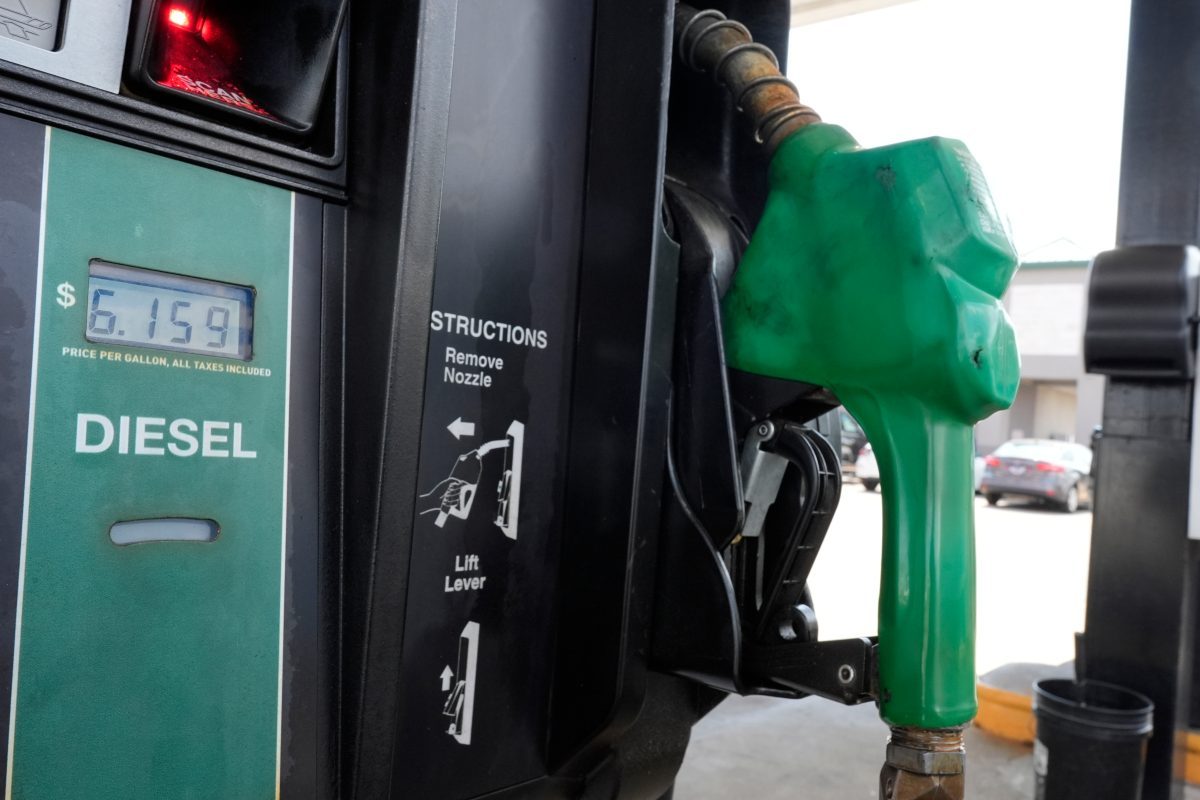
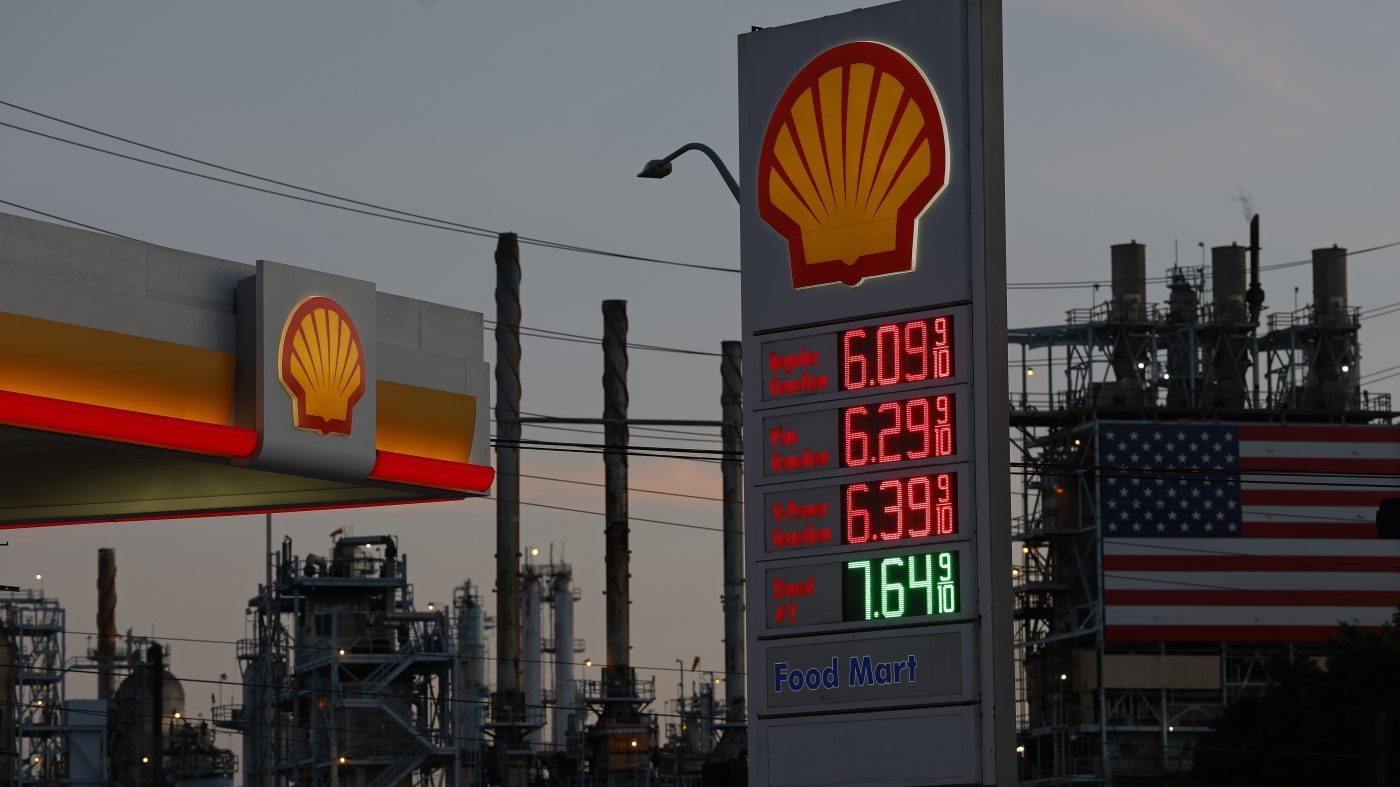
The economic fallout is mounting. Gas prices rose more than five cents from Tuesday to Wednesday, reaching nearly $4.23 per gallon—the highest since April 2022, when the national average peaked at $4.11 during the early months of Russia's full-scale invasion of Ukraine. Brent crude, the international oil benchmark, sat at $116 per barrel on Wednesday.
The blockade's extension is a politically sensitive issue for the White House, as rising fuel costs threaten to weigh on consumer sentiment ahead of the 2026 midterms. The meeting with oil executives signals the administration is exploring ways to blunt the price spike while maintaining pressure on Iran. The Supreme Court, meanwhile, is weighing a separate challenge to Trump's immigration policies, including cuts to Temporary Protected Status for Haiti and Syria, which could have broader implications for the administration's agenda.
The administration's handling of the Iran conflict and energy markets will be closely watched in the coming weeks, as Trump's team balances national security objectives with the domestic economic pain of higher prices at the pump.