The United Arab Emirates confirmed Tuesday that it will withdraw from the Organization of the Petroleum Exporting Countries (OPEC) and its broader OPEC+ alliance, effective May 1. The announcement, carried by state news agency WAM, caps months of internal debate and signals a major realignment in global oil politics.
According to WAM, the decision came after a government review of the UAE's production policy. Officials framed the exit as part of a long-term strategy to accelerate domestic energy investment and adapt to shifting global demand. “This decision reflects the UAE’s long-term strategic and economic vision and evolving energy profile, including accelerated investment in domestic energy production, and reinforces its commitment to a responsible, reliable, and forward-looking role in global energy markets,” the state media outlet reported.
The UAE joined OPEC in 1967, seven years after the cartel was founded, and has been one of its most influential members. However, tensions have simmered in recent years between Abu Dhabi and OPEC’s de facto leader Saudi Arabia over production quotas. UAE officials have argued that the country’s growing capacity warrants a higher output ceiling, a point of contention that has occasionally flared into public disputes.
The exit marks a historic shift for an organization that has long relied on consensus among its members to manage global oil supplies and stabilize prices. The UAE’s departure could complicate OPEC+ decision-making, especially as the group navigates volatile markets and competing demands from major consumers.
Despite the withdrawal, the UAE government said it intends to maintain cooperative ties with other oil-exporting nations. “We will continue to work with our partners to promote joint economic growth and market stability,” a government official told WAM, though no specific framework for future collaboration was outlined.
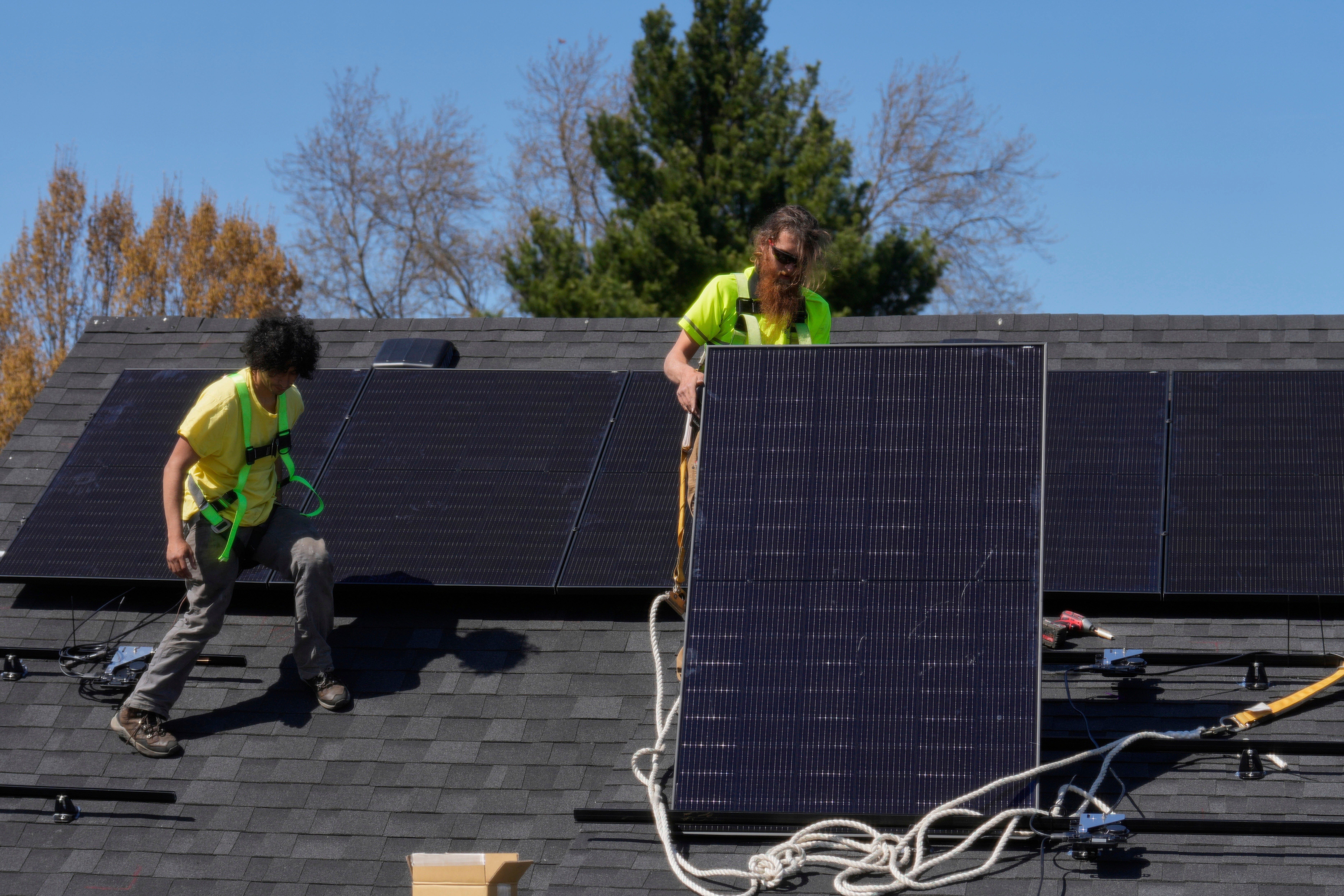
The move comes at a time of broader geopolitical realignments in the Middle East, with Gulf states increasingly asserting independent foreign and economic policies. The UAE has also been investing heavily in renewable energy and non-oil sectors, part of a drive to diversify its economy away from crude dependence.
Industry analysts expect the UAE’s exit to have limited short-term impact on global oil supply, as the country has not signaled plans to drastically increase production outside OPEC’s quota system. However, the symbolic weight of losing a key member may pressure OPEC to reassess its internal dynamics.
The announcement also coincides with other major political stories, including Trump’s decision to end mediation between Iran and Pakistan, highlighting the shifting alliances in the region. Meanwhile, the Epstein scandal continues to shadow King Charles’s first US state visit, adding another layer of complexity to international diplomacy.