The Trump administration announced Friday it would extend a Jones Act waiver for 90 days, aiming to ease soaring fuel prices as the Iran war disrupts global oil supplies. The waiver, originally issued to allow foreign ships to transport goods between U.S. ports, is intended to increase supply and lower costs for consumers.
White House assistant press secretary Taylor Rogers confirmed the extension on social media platform X, stating that “new data compiled since the initial waiver was issued revealed that significantly more supply was able to reach U.S. ports faster.” Rogers added that the move provides “certainty and stability for the U.S. and global economies.”
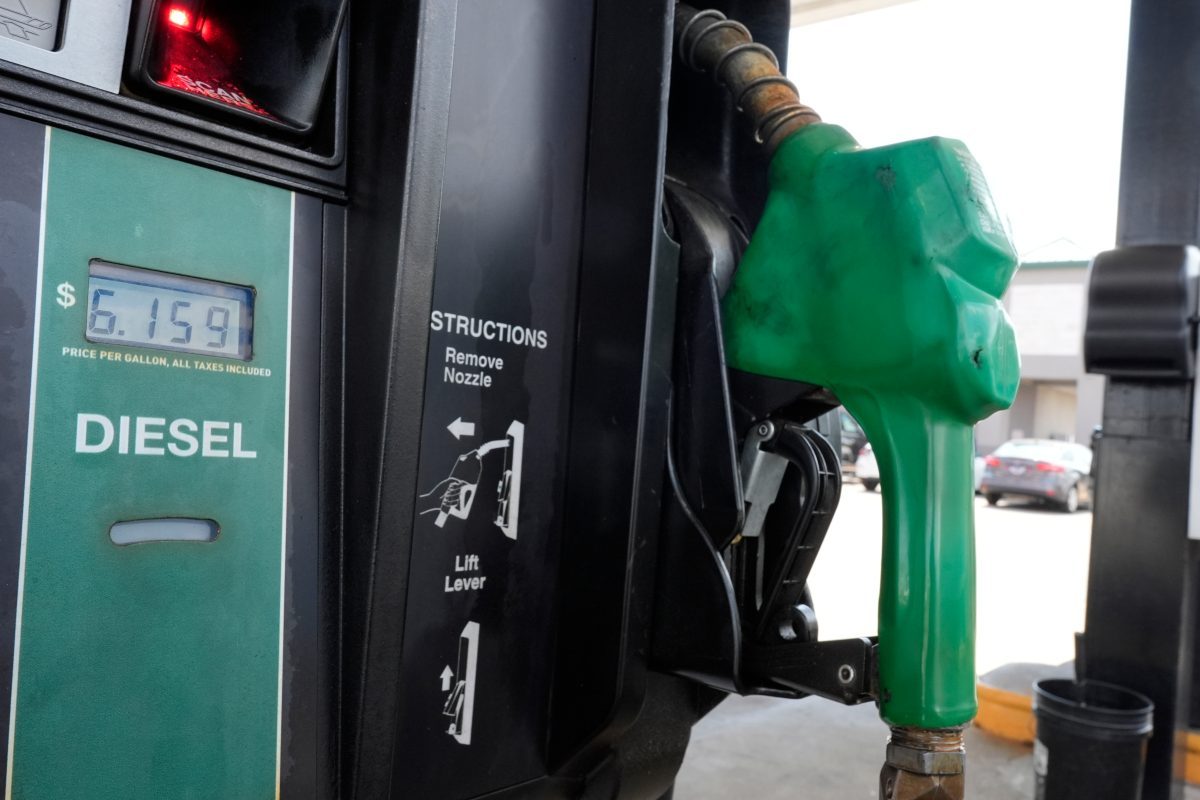
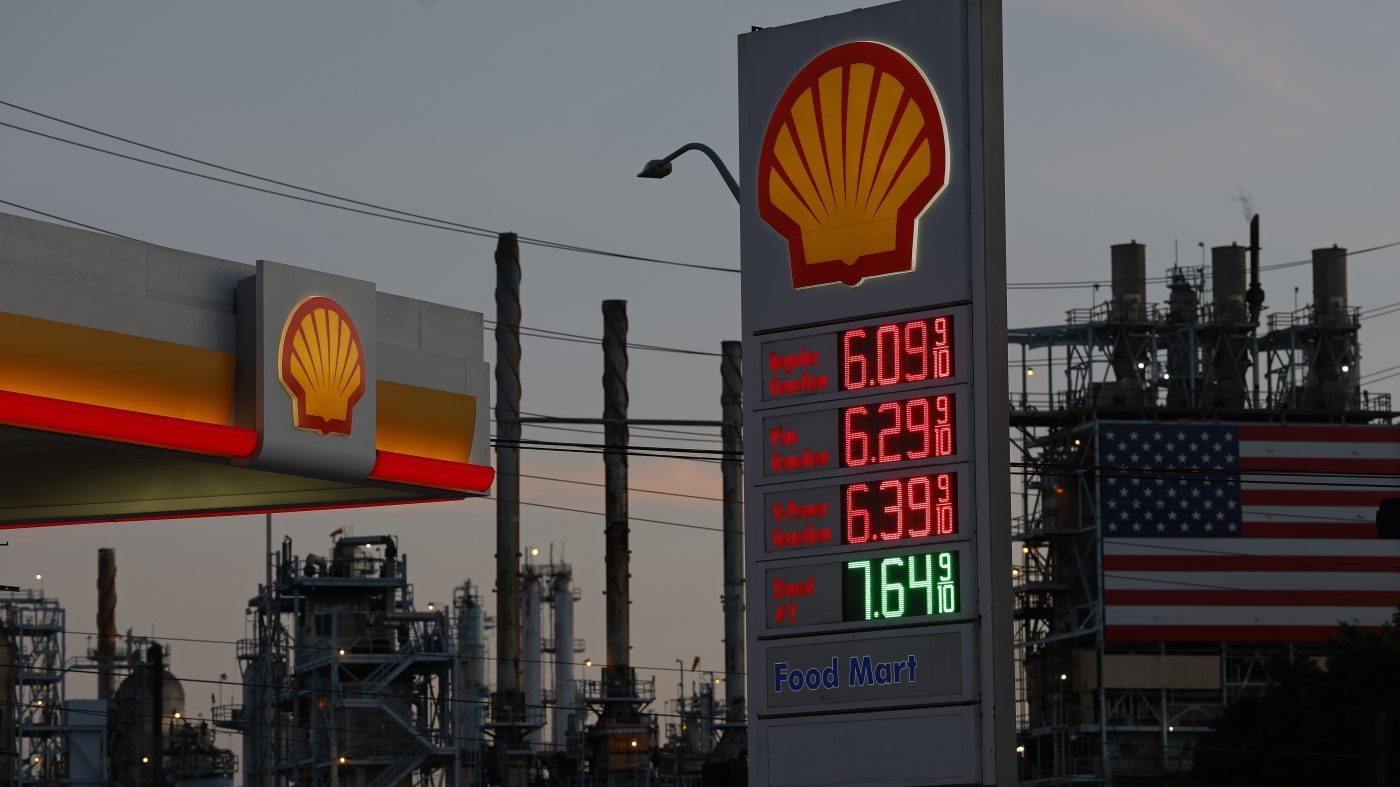
The decision comes as fuel prices spike following the closure of the Strait of Hormuz, a critical chokepoint for roughly 20 percent of the world's oil. Brent crude, the global benchmark, hit $105 per barrel on Friday, while West Texas Intermediate, the U.S. benchmark, stood at $95. The national average for gas prices reached $4 per gallon, according to AAA.
This extension follows the administration's broader efforts to mitigate short-term energy market disruptions. Rogers emphasized that the waiver helps ensure “vital energy products, industrial materials, and agricultural necessities are maintained.” The original waiver, issued earlier, was expected to deliver modest savings at the pump by allowing cheaper gasoline shipments. In 2022, JPMorgan estimated that such a waiver could cut East Coast gas prices by about 10 cents per gallon.
The political fallout is significant. A Reuters/Ipsos poll released Friday found that 77 percent of U.S. voters believe President Trump bears at least some responsibility for the surge in gas prices. This sentiment is likely to shape the political landscape as the administration navigates both the Iran crisis and domestic economic pressures.
The Iran war has heightened tensions in the Middle East, with the Pentagon confirming ongoing operations. Defense Secretary Pete Hegseth has defended the military campaign, even as international criticism mounts. The administration's energy policy is now under intense scrutiny, with critics arguing that the Jones Act waiver is a stopgap measure that fails to address underlying supply chain vulnerabilities.
For a deeper look at how the conflict is affecting travel, see our report on navigating flight cancellations as Middle East conflict drives up jet fuel prices. Additionally, the political debate over Trump's handling of the crisis is intensifying, as detailed in our article on the poll showing 77% of voters hold Trump accountable for surging gas prices.
Meanwhile, the administration's broader energy strategy includes a push to boost domestic production and reduce reliance on foreign oil. But the Jones Act waiver remains a contentious tool, with shipping interests arguing it undermines American maritime jobs. The extension will keep the waiver in place through the early months of the conflict, giving the administration time to assess longer-term solutions.
As the Iran war continues to roil global markets, the White House faces mounting pressure to stabilize prices. The extension of the Jones Act waiver is the latest in a series of emergency measures, but whether it will be enough to ease the burden on American drivers remains an open question.
Rachel Frazin contributed to this report.