A U.S. Army soldier stationed at Fort Bragg has been charged with exploiting classified information about the military mission to capture Venezuelan President Nicolás Maduro, using it to place bets on the prediction market platform Polymarket. Federal prosecutors announced the charges Thursday, alleging the serviceman turned confidential operational details into a personal windfall exceeding $400,000.
Gannon Ken Van Dyke, a soldier involved in planning the operation, is accused of violating federal insider trading laws by wagering on the timing and outcome of the very mission he helped prepare. The case marks a rare intersection of national security and financial crime, drawing scrutiny to the largely unregulated prediction market sector.
Insider Trading on a Military Operation
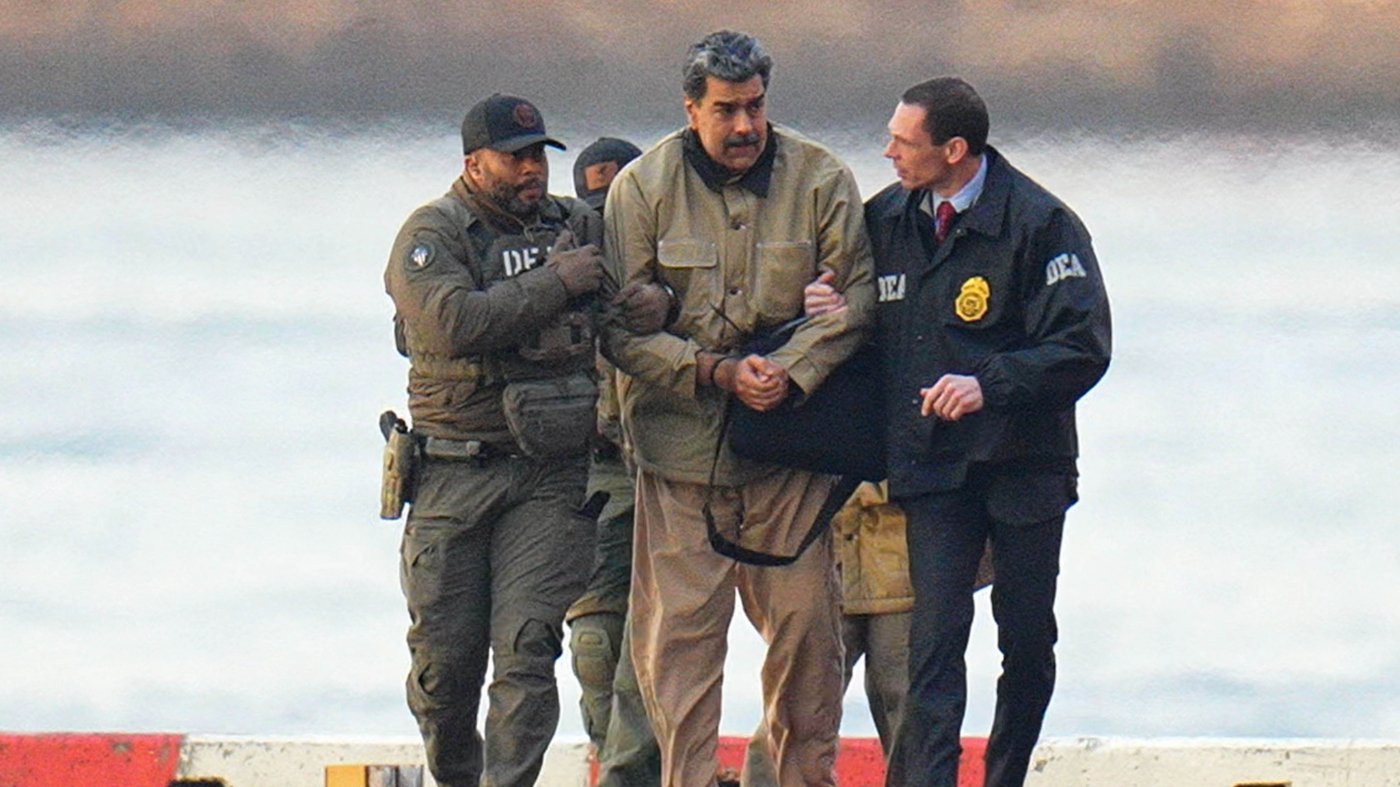
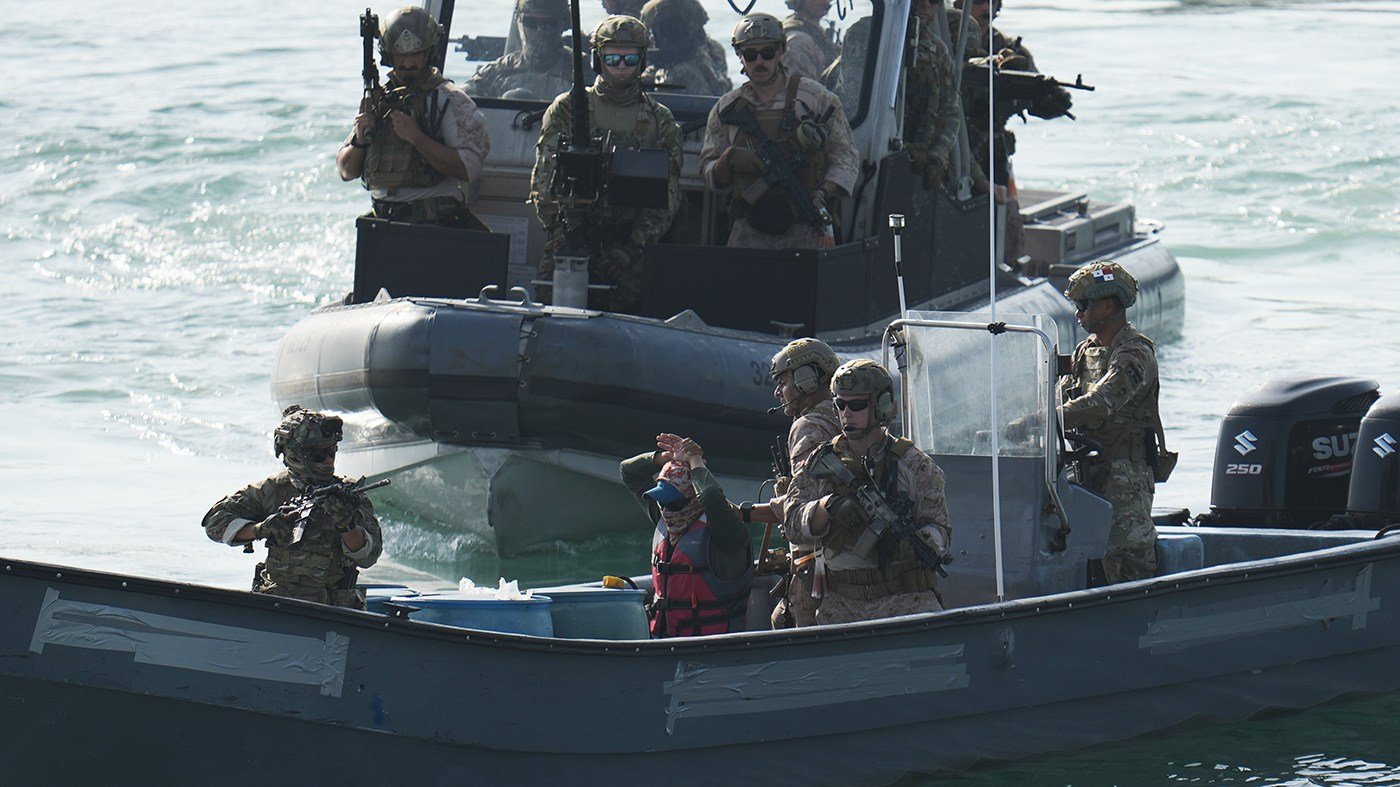
According to the Department of Justice, Van Dyke created a Polymarket account on December 26 and placed approximately $33,000 in bets between December 27 and January 2 on markets tied to U.S. operations in Venezuela and Maduro's removal. The U.S. launched the operation early on January 3, successfully capturing Maduro and his wife, which allowed Van Dyke to realize substantial profits.
“Prediction markets are not a haven for using misappropriated confidential or classified information for personal gain,” said Jay Clayton, U.S. attorney for the Southern District of New York, in a statement. “The defendant allegedly violated the trust placed in him by the United States Government by using classified information about a sensitive military operation to place bets on the timing and outcome of that very operation, all to turn a profit. That is clear insider trading and is illegal under federal law.”
Clayton emphasized the breach of duty, adding, “Those entrusted to safeguard our nation’s secrets have a duty to protect them and our armed service members, and not to use that information for personal financial gain.”
Legal and Political Implications
The case has reignited debates over the oversight of prediction markets, which have grown in popularity but remain lightly regulated. New York’s attorney general recently sued several crypto firms over what she described as illegal gambling operations, highlighting the legal gray area these platforms occupy. The DOJ’s action suggests a zero-tolerance approach when national security is involved.
Meanwhile, political fallout from the Maduro operation continues to ripple through Washington. Democrats have escalated calls for the 25th Amendment after reports that former President Trump was excluded from briefings on the mission, raising questions about civilian control of military operations.
The Pentagon has not commented on whether Van Dyke’s alleged actions compromised the operation, but the case underscores the risks of allowing personnel with access to sensitive information to participate in financial markets tied to those secrets.
Broader Context
The Maduro capture was a high-stakes operation that ended years of diplomatic stalemate and economic turmoil in Venezuela. While the mission succeeded, this insider trading scandal threatens to overshadow its strategic gains. For the soldiers involved, the charge serves as a stark reminder that classified information is not a commodity to be traded.
As the legal process unfolds, the case may set a precedent for how the government prosecutes the misuse of classified data in emerging financial technologies. For now, Van Dyke faces federal charges that could carry significant prison time, and the military is conducting its own review of internal security protocols.