Senate Republicans are grappling with internal divisions as the 60-day deadline under the 1973 War Powers Act approaches for U.S. military operations against Iran. The conflict, which began with U.S. and Israeli strikes on February 28, is set to hit that threshold on Tuesday, triggering a requirement for congressional authorization unless President Trump begins withdrawing forces.
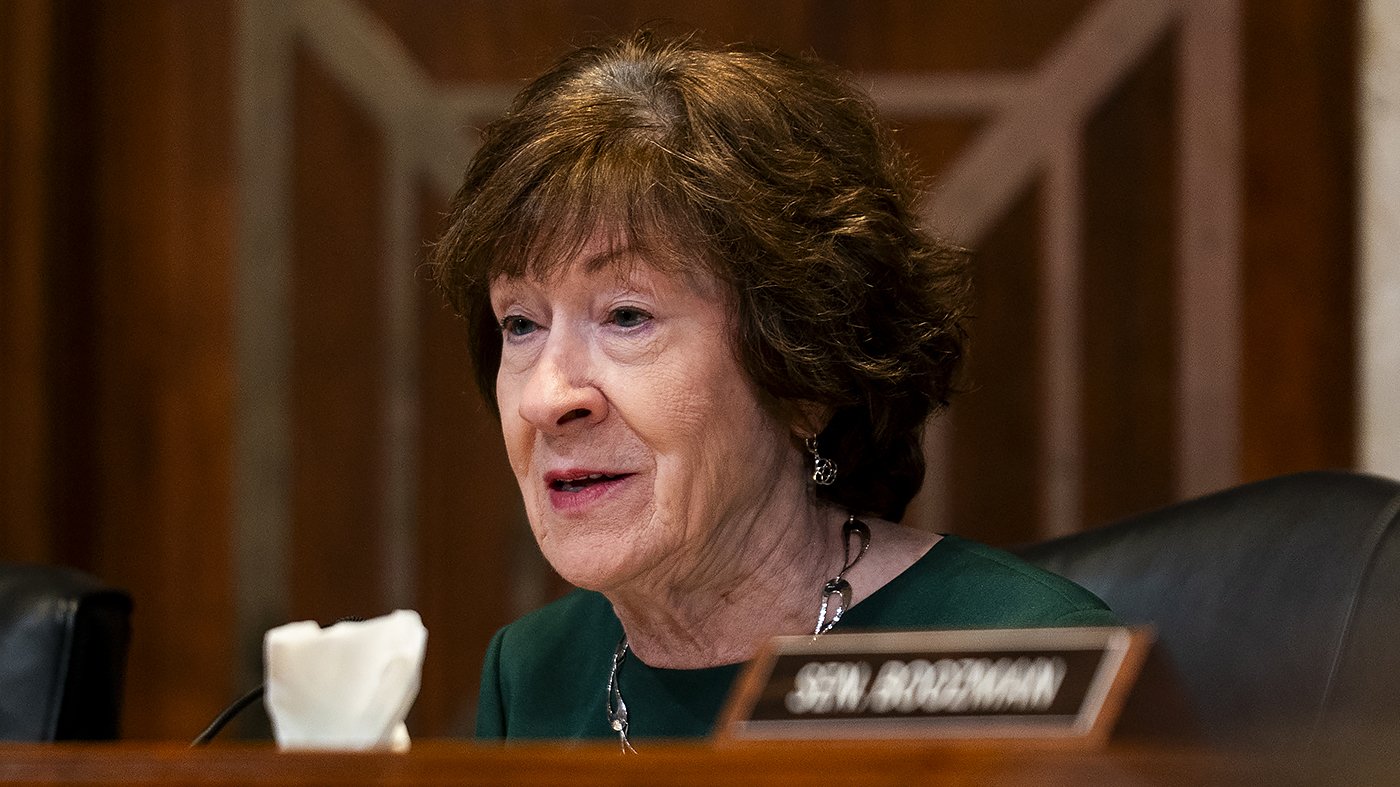
A faction of GOP senators, including Lisa Murkowski of Alaska, Thom Tillis of North Carolina, Susan Collins of Maine, and John Curtis of Utah, argue that Congress must vote on an authorization for the use of military force (AUMF) if Trump does not start winding down operations by the 60-day mark. Collins, a top Democratic target in the 2026 midterms, stated, "The 60-day trigger is a very important one. At that point, Congress has to authorize the military action to continue. I will not support extending the hostilities beyond that 60 days, except for wind-down activities."
However, Senate Majority Leader John Thune of South Dakota and Senate Foreign Relations Committee Chair James Risch of Idaho have no immediate plans to bring an AUMF to the floor. Thune noted, "We'll see what the conference's will is on that," and pointed to Trump's recent extension of a ceasefire with Iran as a positive sign. He said it would be "ideal" if a peace deal could be reached soon, but acknowledged he must manage concerns among colleagues about the war's unpopularity and its impact on gas prices and other costs.
The divide reflects broader GOP anxiety ahead of the midterm elections. Many Republicans prefer to avoid a vote on continuing an unpopular conflict, especially as the war drives up inflation and fuel costs. Senate Republicans on Wednesday blocked a fifth Democratic effort to curtail Trump's war authority through a war powers resolution, with only Senator Rand Paul of Kentucky crossing party lines. But more Republicans could defect as the conflict drags into May.
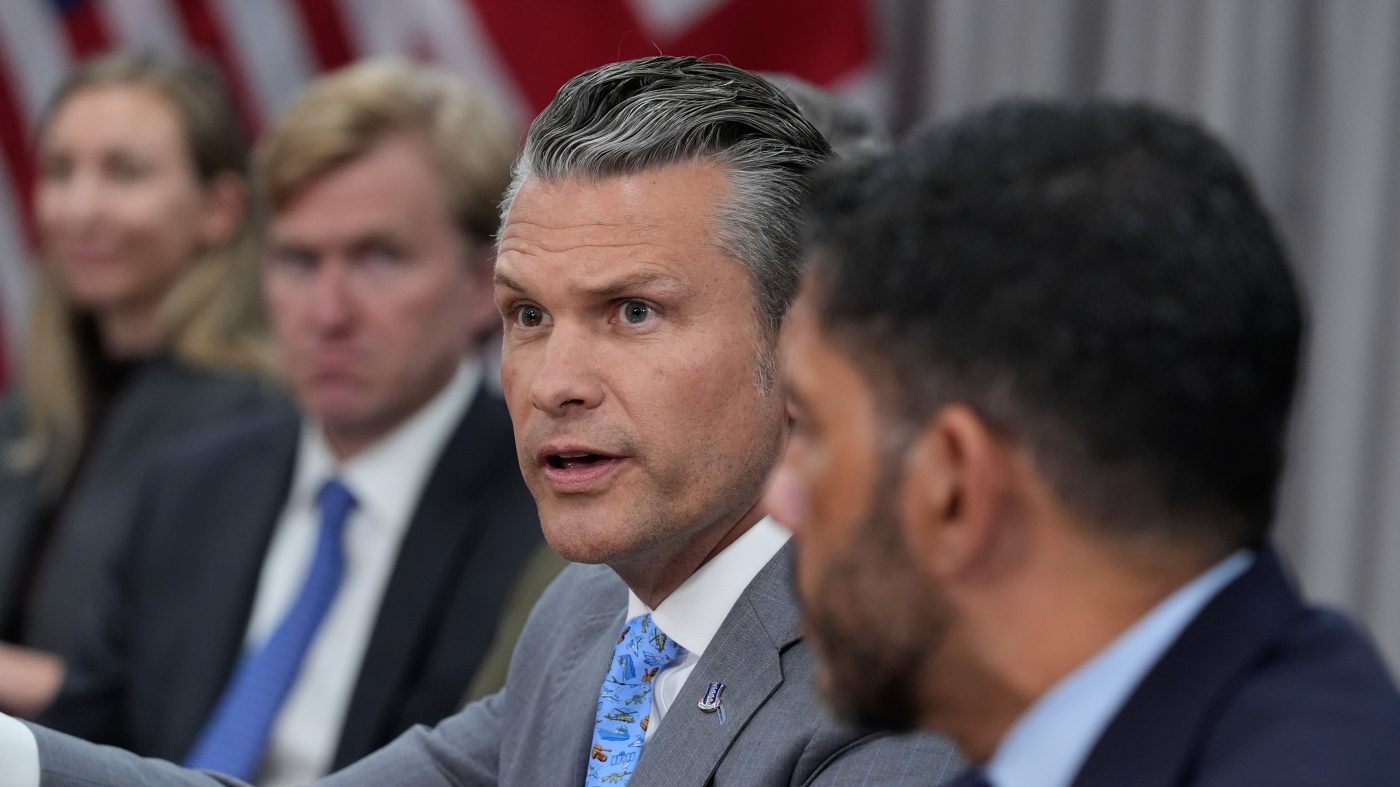
Senate Armed Services Committee members are pressing Defense Secretary Pete Hegseth for a clearer exit strategy. A group of senior panel members, including Senators Mike Rounds of South Dakota and Joni Ernst of Iowa, are scheduled to meet with Hegseth on Thursday. Rounds said, "They owe us an explanation about the path moving forward." Tillis echoed that sentiment, demanding to know whether the administration seeks an extension or has a plan to exit.
Murkowski is working on a privileged AUMF resolution that could pass the Senate with a simple majority, bypassing Democratic support if most Republicans back it. She may try to force a vote despite leadership's reluctance. Tillis, who has discussed the measure with Murkowski, warned he might support a war powers resolution to block Trump if Congress does not vote on an AUMF. "It would put to bed this whole narrative about whether Congress supports ongoing action," he said.
The War Powers Act requires the president to notify Congress within 48 hours of deploying forces and limits engagements to 60 days unless Congress authorizes them, with an additional 30 days allowed for withdrawal. As the deadline looms, the administration has signaled willingness to negotiate, but some GOP lawmakers remain skeptical. Senator Dan Sullivan of Alaska, facing a tough reelection, has not taken a public stance, while others worry about the political fallout of supporting an extended military campaign.
Meanwhile, critics argue Iran has gained a strategic edge despite the conflict, and Democrats continue to push for limits on executive war powers. The coming days will test whether the GOP can unite on the Iran issue or if the divide will deepen as the midterms approach.