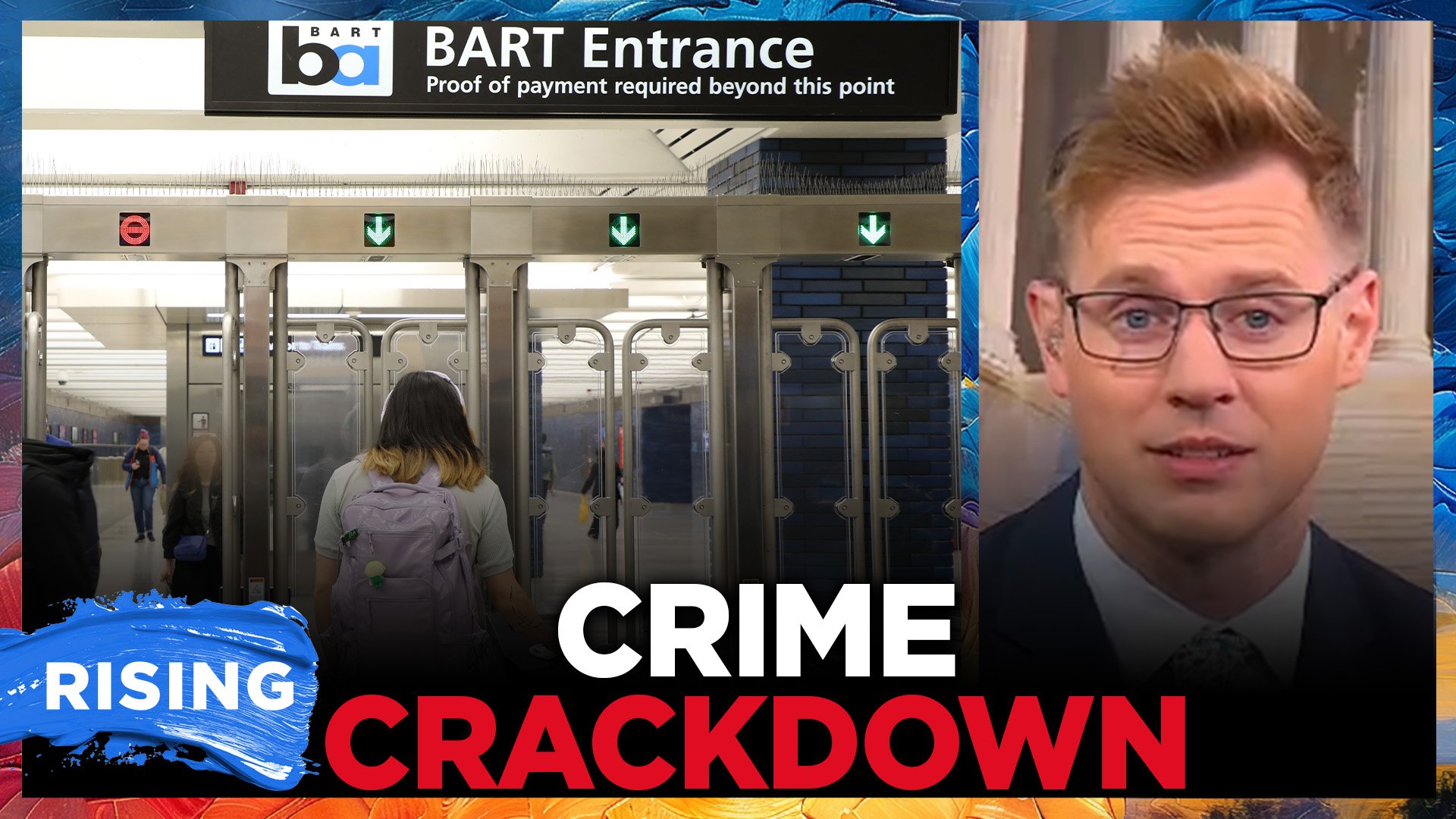
San Francisco's Bay Area Rapid Transit system has achieved significant improvements in safety, revenue, and operational efficiency through a straightforward infrastructure upgrade: replacing outdated fare gates with new, more secure barriers. The initiative, which directly targeted fare evasion, has produced results that are now drawing attention across the political and policy spectrum.
Measurable Impact on Safety and Revenue
According to data cited in a recent media report, crime across the BART system fell by 41% last year following the installation of the new gates. The six-foot-tall, saloon-style plexiglass and metal doors replaced waist-high barriers from the 1970s that were easily circumvented. The physical deterrent has not only reduced unlawful entry but has also led to a substantial decline in vandalism. Transit workers spent nearly 1,000 fewer hours cleaning up after incidents in the six months after installation compared to the prior six-month period.

Financially, the move is projected to boost annual revenue by approximately $10 million, as more riders are compelled to pay their fares. This outcome provides a concrete case study for municipalities weighing enforcement investments against persistent budget shortfalls and public safety concerns.
Challenging Prevailing Reform Narratives
The success of the physical security measure stands in contrast to arguments from some criminal justice reform advocates, who have previously suggested that cracking down on fare evasion and similar low-level offenses does not meaningfully improve systemic safety. Organizations like the Center for Policing Equity have pointed to studies questioning the efficacy of such enforcement. The BART results, however, present a real-world counterpoint, suggesting that deterring minor offenses can have a cascading effect on more serious crime—a principle often associated with "broken windows" policing theory.
Proponents of the gate strategy argue it demonstrates that maintaining order in public spaces, even through simple physical barriers, can yield significant benefits without necessarily solving broader, intractable social issues like homelessness or mental health crises. This practical approach is gaining notice even within media outlets that typically emphasize addressing root causes over enforcement.
Political and Policy Context
The debate over public safety tactics in urban centers like San Francisco remains highly charged. While the city continues to grapple with complex social challenges, the transit system's report offers a clear, data-driven win for a basic enforcement mechanism. It arrives as Congress returns to debates over domestic security funding, including for agencies like the TSA, where pay uncertainty threatens operational stability.
The findings also intersect with wider discussions about crime and governance in major cities. They provide a tangible example of a policy intervention with measurable outcomes, a topic of interest as lawmakers consider various approaches to public safety. This comes amid other high-profile security concerns, even for technology leaders in the region, as seen when OpenAI CEO Sam Altman's San Francisco residence was targeted.
A Lesson in Incremental Enforcement
BART officials have not declared victory over the region's deeper socioeconomic issues. The report explicitly notes that homelessness and mental illness remain unresolved. Instead, the system's improvement is attributed to a single, focused intervention: installing barriers that are difficult to bypass. This has effectively reclaimed the transit environment from disorder without attempting a wholesale fix of underlying societal problems.
The outcome suggests that even incremental increases in enforcement and physical security can materially alter the safety and financial viability of critical public infrastructure. For policymakers in other cities facing similar transit crime and revenue issues, San Francisco's experience with upgraded fare gates may offer a replicable model, proving that straightforward solutions can sometimes precede more complex ones.