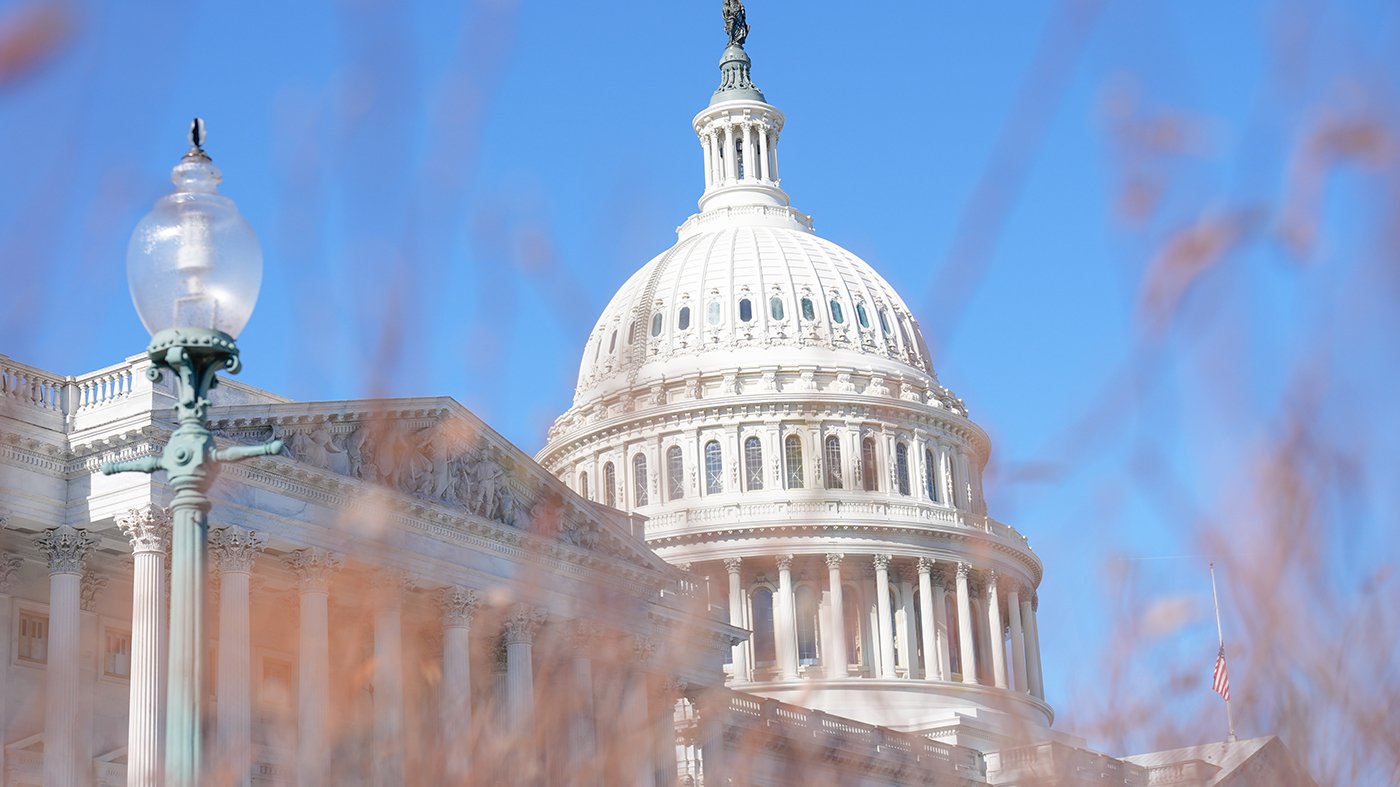
The chief of staff for Representative Pete Sessions, a Texas Republican, is facing criminal charges for allegedly attempting to bring a firearm into the U.S. Capitol complex late last year, according to court documents filed this week.
Luis Vega, who serves as Sessions’s top aide, was charged Wednesday with two counts stemming from an incident that occurred on December 22, just days before Christmas. The charges include carrying a pistol outside his home without a license and unlawful conduct on Capitol grounds, both misdemeanors under D.C. law.
According to an affidavit from a supervisory special agent with the U.S. Capitol Police, Vega’s bag set off security alarms at a House office building around 6:30 a.m. that day. Officers discovered a black pistol and ammunition inside. Vega was instructed to return the bag to his vehicle and then re-enter through the metal detectors.
He complied, returning less than five minutes later with the same bag. A second screening found no prohibited items, and he was permitted to proceed inside. The affidavit notes that Vega later told investigators in a phone interview that he did not hold a license to carry the firearm and that the weapon was not registered in Washington, D.C.
Vega also explained that his routine on most days involved entering the building alongside Sessions—identified in the documents only as “Witness-1”—and handing his bag off to the congressman, who is exempt from administrative screening. The day of the incident was described as “out of the ordinary” because Sessions entered separately, and Vega “forgot that there was a pistol in his bag.”
The charges come nearly six months after the alleged incident, a delay that the U.S. Attorney’s Office for D.C. declined to explain on Friday. Vega made his first court appearance in D.C. Superior Court on Friday and was released without bail, as first reported by CNN.
A spokesperson for Sessions’s office did not respond to requests for comment. The case adds to a series of security breaches and procedural questions surrounding Capitol Hill access, particularly in the wake of heightened security measures after the January 6, 2021, attack.