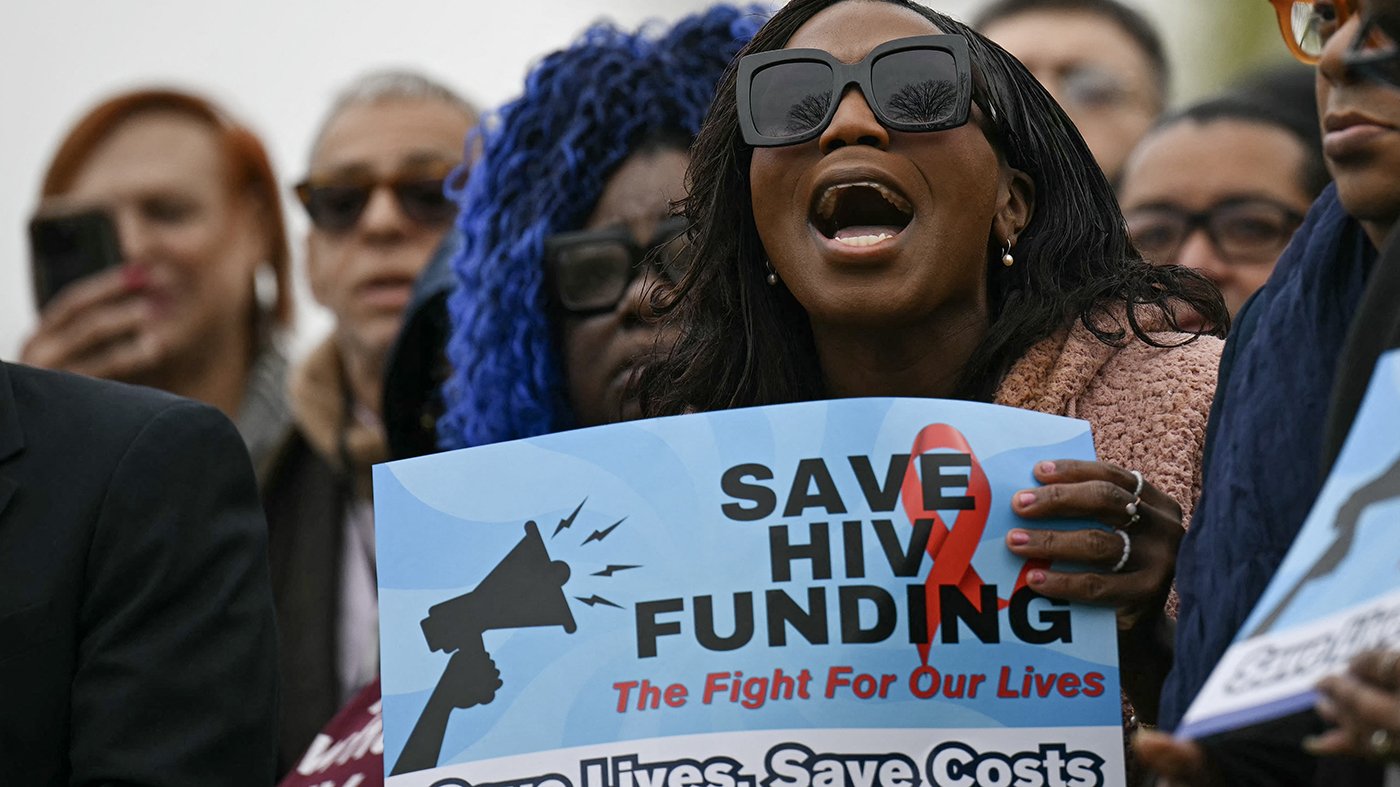
The Trump administration's decision to phase out the President's Emergency Plan for AIDS Relief in South Africa is a strategic blunder that will cost hundreds of thousands of lives and hand a major diplomatic victory to Beijing and Moscow. Over the next year, the State Department will wind down PEPFAR in the country, citing South Africa's failure to adopt policy changes demanded by Washington. Established in 2003, PEPFAR is the largest global health initiative ever focused on a single disease, having allocated more than $8 billion to combat HIV/AIDS in South Africa and $100 billion worldwide.
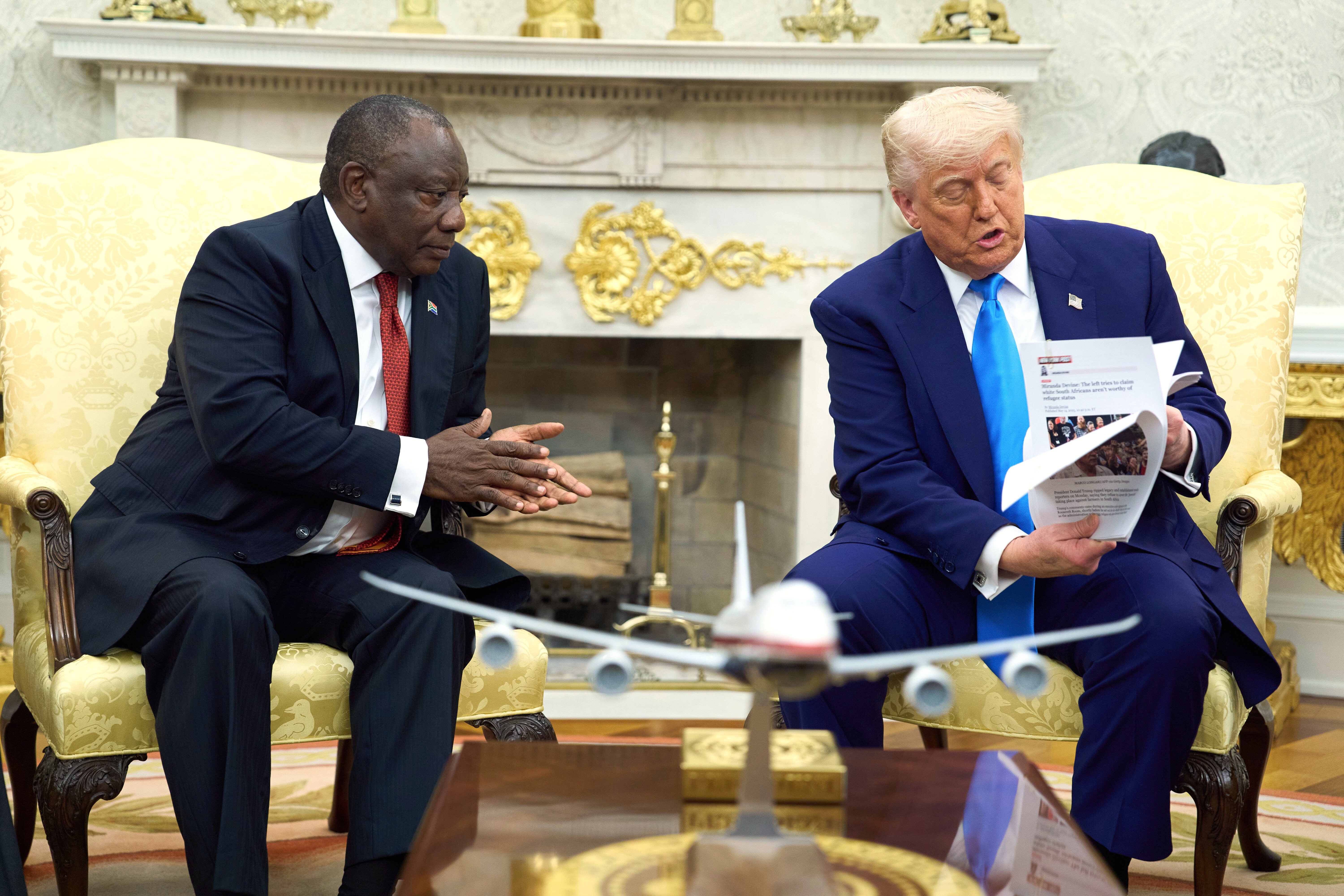
The move follows a 2025 reevaluation of USAID and a Trump executive order that condemned what it called South Africa's “egregious actions,” including policies that discriminate against the white Afrikaner minority and cooperation with U.S. adversaries. Washington has legitimate grievances: South Africa has refused to drop its genocide case against Israel, declined to cut ties with Iran, and failed to condemn Russia's invasion of Ukraine, even welcoming Russian warships under U.S. sanctions. But dismantling PEPFAR is a blunt instrument that will likely weaken American influence rather than strengthen it.
As the U.S. withdraws, China and Russia are already stepping in. In early 2025, China committed $3.49 million over two years to support HIV services in South Africa. Moscow, meanwhile, is exploiting the vacuum with propaganda. On June 29, RT News accused the U.S. of “weaponizing HIV/AIDS funding to settle geopolitical scores,” a narrative that resonates in a country where the ruling African National Congress is ideologically aligned with Russia and China. The ANC, which is losing popularity to more Western-aligned parties, can use the PEPFAR cut to portray the U.S. as a fair-weather partner, bolstering its domestic standing.
The human cost is staggering. Without PEPFAR, South Africa could see more than 601,000 HIV-related deaths and 565,000 new infections. This death toll will irreparably damage America's reputation across Africa, signaling that the U.S. can no longer be trusted as a health partner. The consequences extend beyond HIV: other African nations facing crises like the Ebola outbreak in the Democratic Republic of Congo will take note. Russia and China have already moved to support Ebola response efforts, reinforcing their presence while the U.S. retreats.
Moscow has a long history of exploiting health-related disinformation in Africa. During the Cold War, the KGB ran Operation Denver, falsely claiming the Pentagon engineered HIV. More recently, Russia and China spread propaganda that the U.S. created COVID-19 as a bioweapon. Today, the PEPFAR withdrawal gives Russia fresh material to revive narratives of American hypocrisy. As of 2024, Russia sponsored 80 documented disinformation campaigns in more than 22 African countries, accounting for nearly 40 percent of all such campaigns on the continent.
The Trump administration should instead target the ANC directly through sanctions like those under the Global Magnitsky Act, preserving America's positive reputation while holding the party accountable. Global health is now a battleground for influence. As the U.S. retreats, Russia will exploit the vacuum with propaganda while China fills it with doctors, laboratories, and medical assistance. The greatest irony is that Washington is surrendering one of its most effective instruments of soft power without a fight. And in geopolitics, vacuums never remain empty.