Lawmakers have long warned that artificial intelligence will obliterate jobs, but a wave of investment from tech giants suggests a more complicated reality: AI is reshaping the labor market, not destroying it.
Meta recently committed $115 million in its first year to train fiber technicians, welders, plumbers, and electricians, with a job guarantee for all graduates. Google followed with $50 million to train 300,000 American workers in skilled trades. These moves build on earlier programs from OpenAI and Microsoft, which funded trade training and AI literacy initiatives.

The timing is critical. AI has become ubiquitous, from chatbots used by millions to algorithms that quietly shape public opinion. Yet a persistent fear of job displacement lingers. A Reuters-Ipsos poll found 53% of 4,531 respondents believe AI will put them or a household member out of work—a fear that cuts across age, gender, and education levels.
Politicians like Andrew Yang and California Governor Gavin Newsom have amplified these concerns. Senator Elizabeth Warren warned earlier this year that AI will create a “full-blown crisis,” urging Congress to prepare. But such warnings may overlook a key dynamic: innovation simultaneously creates jobs.
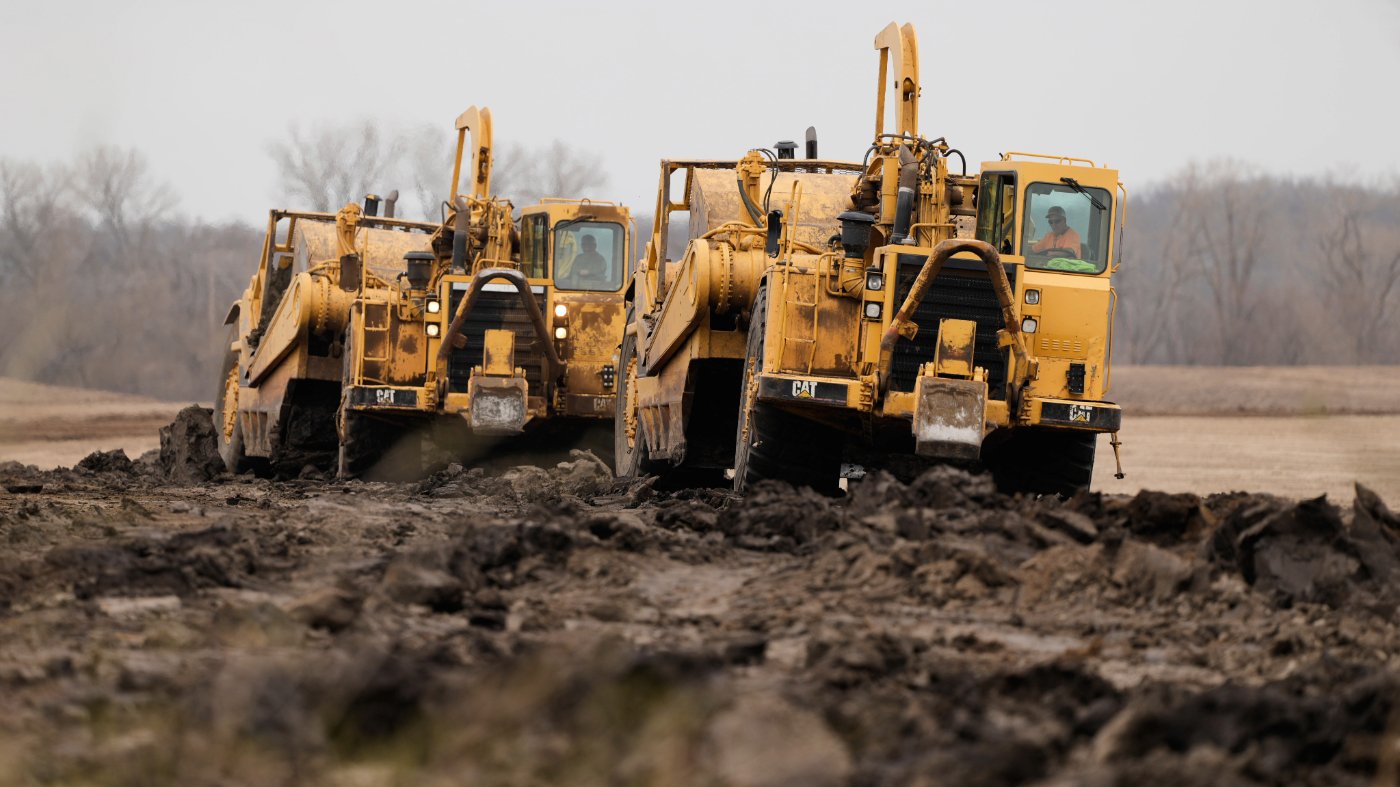
AI infrastructure doesn’t build itself. The systems require electricity, maintenance, and human oversight. The skilled trades needed to construct and sustain AI—fiber optics, welding, plumbing, electrical work—face a severe shortage. By 2030, an estimated 2.1 million skilled trade jobs could go unfilled, costing the economy $1 trillion annually.
“Innovation is not sustained on its own,” notes Rachel Chiu, a Yale Law graduate and visiting fellow at Independent Women’s Center for AI and Technology. “Without human intervention, there is no AI.”
MIT economist David Autor argues that automation both replaces and augments expertise. After ChatGPT’s 2022 launch, job postings for structured, repetitive tasks dropped 13%, while demand for analytical, technical, and creative roles grew 20%, according to Harvard Business School Professor Suraj Srinivasan.
The shift to skilled trades offers displaced workers a new path—one that politicians focused on universal basic income and collective bargaining protections may be missing. As Chiu writes, “The choice between innovation and jobs may not be as rigid as we once believed.”
For more on how lawmakers are grappling with AI’s impact, see the growing Democratic push to pause AI data centers. Meanwhile, bipartisan efforts on transparency show Washington’s uneven focus on emerging technologies.