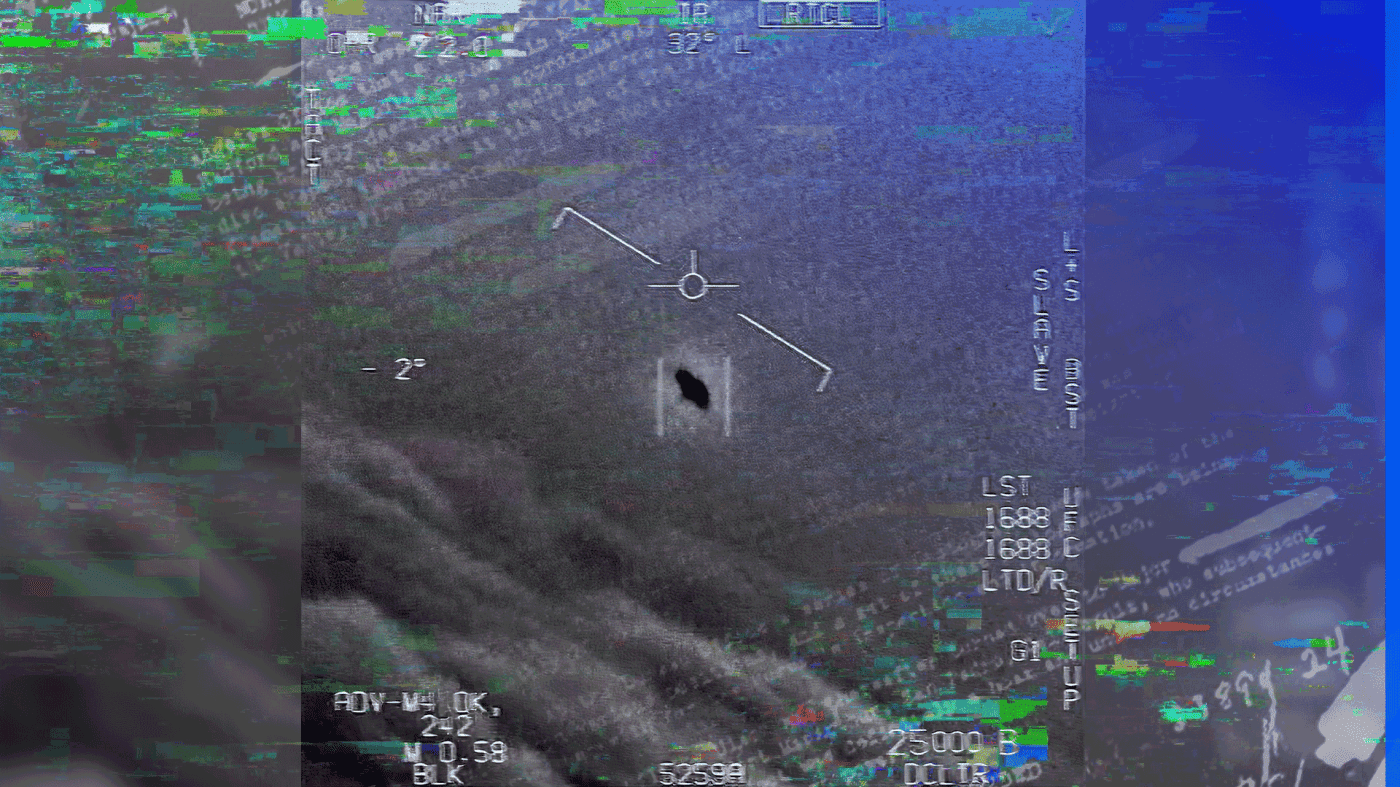
Washington is playing host to a significant gathering of lawmakers, military officials, and agency leaders focused on the push for transparency around Unidentified Anomalous Phenomena (UAP). The event, known as the UAP Disclosure Forum, brings together key figures from the Senate and House to discuss policy, security, and the balance between public disclosure and national security.
The forum, which kicked off at 9 a.m. EDT, features remarks from members of the Senate Armed Services Committee and the Select Committee on Intelligence, including Sens. Kirsten Gillibrand (D-N.Y.) and Mike Rounds (R-S.D.). On the House side, Reps. Anna Paulina Luna (R-Fla.), Eric Burlison (R-Mo.), Tim Burchett (R-Tenn.), and Suhas Subramanyam (D-Va.) are slated to speak.
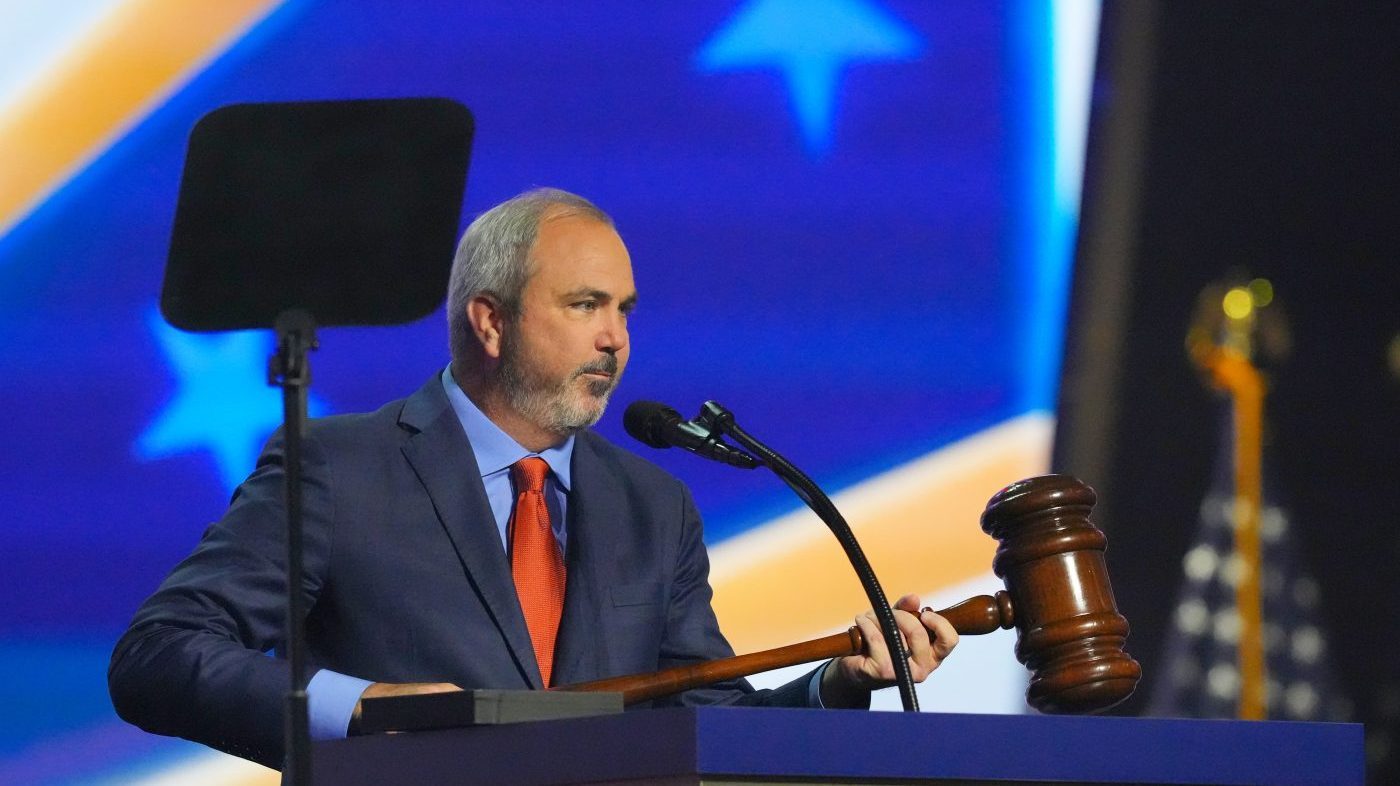
Organizers describe the forum as a gathering of the “who’s who” in the UAP community, with a focus on cutting-edge insights into policy, transparency, and congressional oversight. The event also addresses whistleblower protections and the delicate task of informing the American public without compromising sensitive intelligence.
The push for UAP disclosure has gained bipartisan traction in recent years, with lawmakers from both parties calling for more rigorous reporting and declassification of government records. Critics argue that the Pentagon and intelligence agencies have been too secretive, while supporters of caution warn that full transparency could reveal sensitive military capabilities.
The forum comes amid broader debates in Washington over government transparency and national security. In parallel, a record share of U.S. voters say Washington overdoes support for Israel, highlighting shifting public attitudes on foreign policy. Meanwhile, the Senate GOP moves solo on funding bills as bipartisan talks collapse, underscoring the partisan divisions that often complicate legislative efforts.
Advocates for UAP disclosure argue that the issue transcends party lines and requires a unified approach. The forum is expected to produce recommendations for legislative action, including clearer reporting requirements and enhanced oversight of UAP-related programs.
As the event unfolds, observers note that the conversation around UAPs has evolved from fringe speculation to a mainstream policy concern. Lawmakers are increasingly treating the topic with the seriousness it demands, given its implications for airspace security and technological competition.
The forum is being livestreamed for the public, reflecting a commitment to transparency that organizers hope will build trust. Whether the event leads to concrete policy changes remains to be seen, but the bipartisan attendance signals that UAPs are no longer a niche issue in Washington.