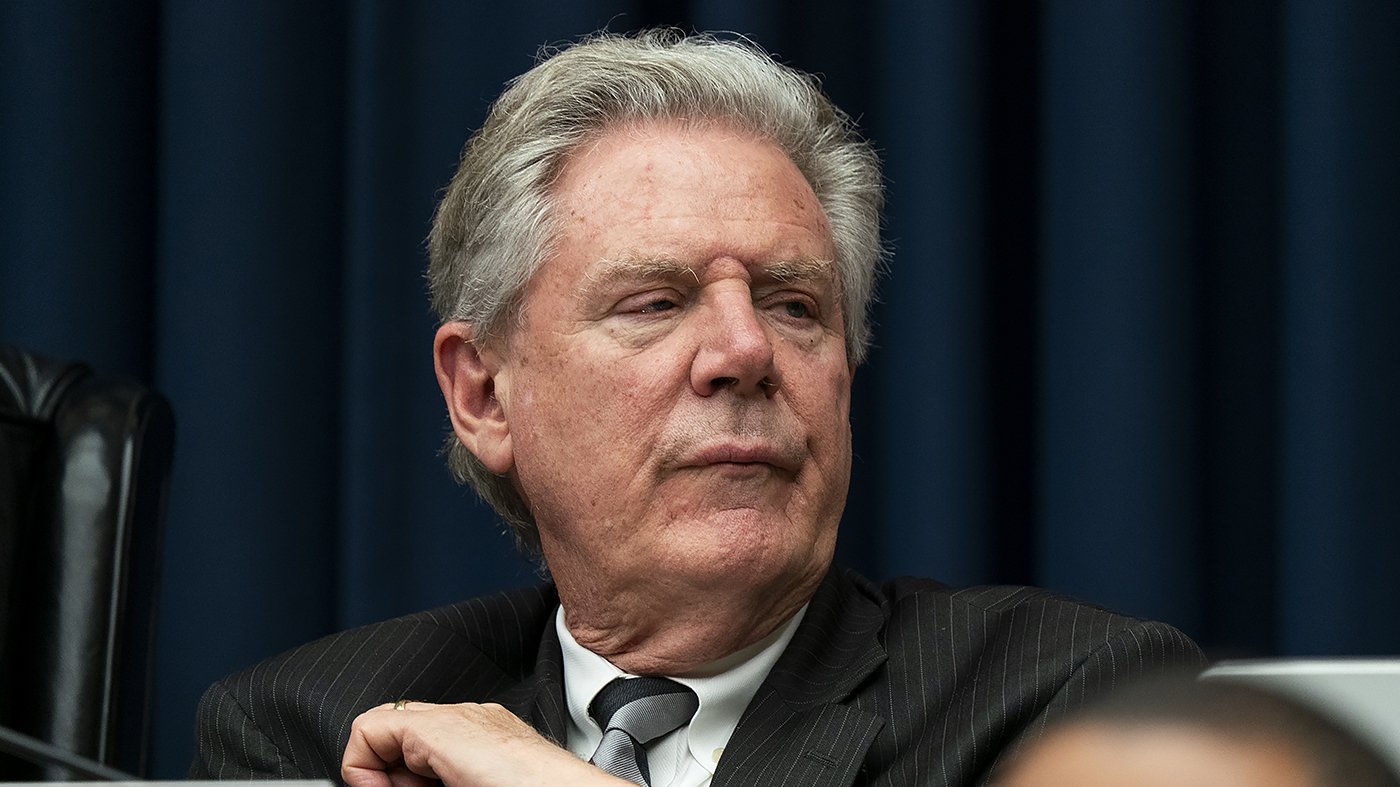
In a significant departure from mainstream Democratic leadership, Rep. Frank Pallone (D-N.J.) has thrown his weight behind a national moratorium on AI data centers. During a House Energy and Commerce Committee markup on Wednesday, the ranking member argued that the rapid expansion of these facilities is driving up electricity bills and polluting communities across the country.
“I am in favor of a national AI data center moratorium until we can find a way to ensure they don’t harm our nation’s air, water and power bills,” Pallone said, citing specific impacts on water use, air pollution, and the use of per- and polyfluoroalkyl substances (PFAS), often referred to as “forever chemicals.”
Pallone’s stance marks a notable shift from the party’s centrist wing, which has generally been cautious about imposing broad restrictions on the tech sector. While progressive lawmakers like Sen. Bernie Sanders (I-Vt.) and Rep. Alexandria Ocasio-Cortez (D-N.Y.) have previously called for a halt to new data center construction, Pallone is the first senior committee Democrat to endorse such a measure at the federal level.
“Promises by the data center industry and Big Tech that these facilities will bring down costs have fallen flat,” Pallone said. He pointed to estimates from the mid-Atlantic grid operator showing that ratepayers—including families in his home state of New Jersey—paid over $9 billion last year to power AI-driven data centers.
Pallone also criticized the Environmental Protection Agency for what he described as fast-tracking the approval of new chemicals, including PFAS, for use in data centers, “putting the health of Americans across the nation at risk.” He noted that some data centers have been approved without any analysis of their water use, even in water-stressed communities.
The endorsement comes on the heels of New York primary upsets that deepened the party’s internal rift, with left-wing candidates ousting incumbents. Pallone’s move could signal where House Democrats may steer data center policy if they retake Congress. Senate Majority Leader Chuck Schumer (D-N.Y.) has said that if Democrats regain the Senate, they will push for “strong, enforceable consumer protections” on data centers, but has not endorsed a moratorium.
On the Republican side, Rep. Nancy Mace (R-S.C.) has called for a one-year data center moratorium in her state, reflecting growing bipartisan scrutiny of the industry’s environmental and economic footprint. However, President Trump is highly unlikely to support any pause in data center construction, given his administration’s push for deregulation and AI leadership.
The GOP has increasingly pointed fingers at China amid the backlash, framing data center growth as a national security imperative. But Pallone’s remarks suggest that the debate is shifting from a binary of pro- or anti-tech to a more nuanced fight over local costs and environmental justice.
“There are reports of data centers being approved without any analysis of their water use, even in water stressed communities,” Pallone added. “And the EPA is even trying to fast track the approval of chemicals—like new PFAS—for use in data centers, putting the health of Americans across the nation at risk.”
As progressives gain momentum within the party, highlighted by the reshaping of the Democratic Party under Bernie Sanders' influence, Pallone’s endorsement could be a bellwether for a broader push to regulate the tech industry’s physical infrastructure. Whether this translates into legislative action will depend on the outcome of the 2026 midterms and the willingness of party leaders to embrace a moratorium that has so far been the domain of anti-establishment figures.