Members of Congress return to Washington this week facing renewed pressure to resolve a partial government shutdown affecting the Department of Homeland Security, with critical questions about future pay for Transportation Security Administration officers threatening to destabilize airport security operations nationwide.
Executive Action Provides Temporary Relief
Before the Easter recess, President Trump signed an executive order directing DHS to identify funds to provide back pay to TSA employees for work performed since the shutdown began on February 14. A subsequent order extended this provision to the rest of the department. This move temporarily eased political pressure as paychecks resumed and security checkpoint wait times decreased with more officers returning to work.
The relief proved immediate but incomplete. At the shutdown's peak on March 27, the national TSA call-out rate reached 12.35%, with some airports reporting nearly half their workforce absent on certain days, creating hours-long security lines that wrapped around terminals. Following the back pay order, the call-out rate dropped to 7.98% by Easter Sunday, though Atlanta's Hartsfield-Jackson International Airport still reported a 24.6% absence rate.
Future Paychecks Remain in Doubt
The central uncertainty now revolves around whether TSA officers will receive paychecks for future work periods. The presidential directive ordered DHS to provide employees with "the compensation and benefits that would have accrued to them if not for the Democrat-led DHS shutdown," language that conspicuously avoids guaranteeing future compensation.
This ambiguity was underscored by a DHS memo issued Monday warning employees that their April 10 paycheck—covering work through April 4—"could be their last until Congress restores funding." The memo added that "any additional compensation owed to you will be paid once DHS funding is restored." Confusion intensified when administration officials gave conflicting signals about whether this warning applied to TSA personnel, though union representatives confirmed officers received the memo.
"There is a feeling of increasing anxiety and uncertainty among officers as the chaos and confusion for workers just trying to get by continues," said a spokesperson for the American Federation of Government Employees, which represents most TSA workers. Without certainty about future pay, officers may again be forced to seek second jobs, potentially leaving airports understaffed.
Legislative Impasse and Republican Divisions
The funding crisis stems from a legislative deadlock that saw Senate Republicans advance a measure to fund most of DHS just before the recess, only to have House Republicans reject it. The resulting impasse has created the longest department shutdown in history.
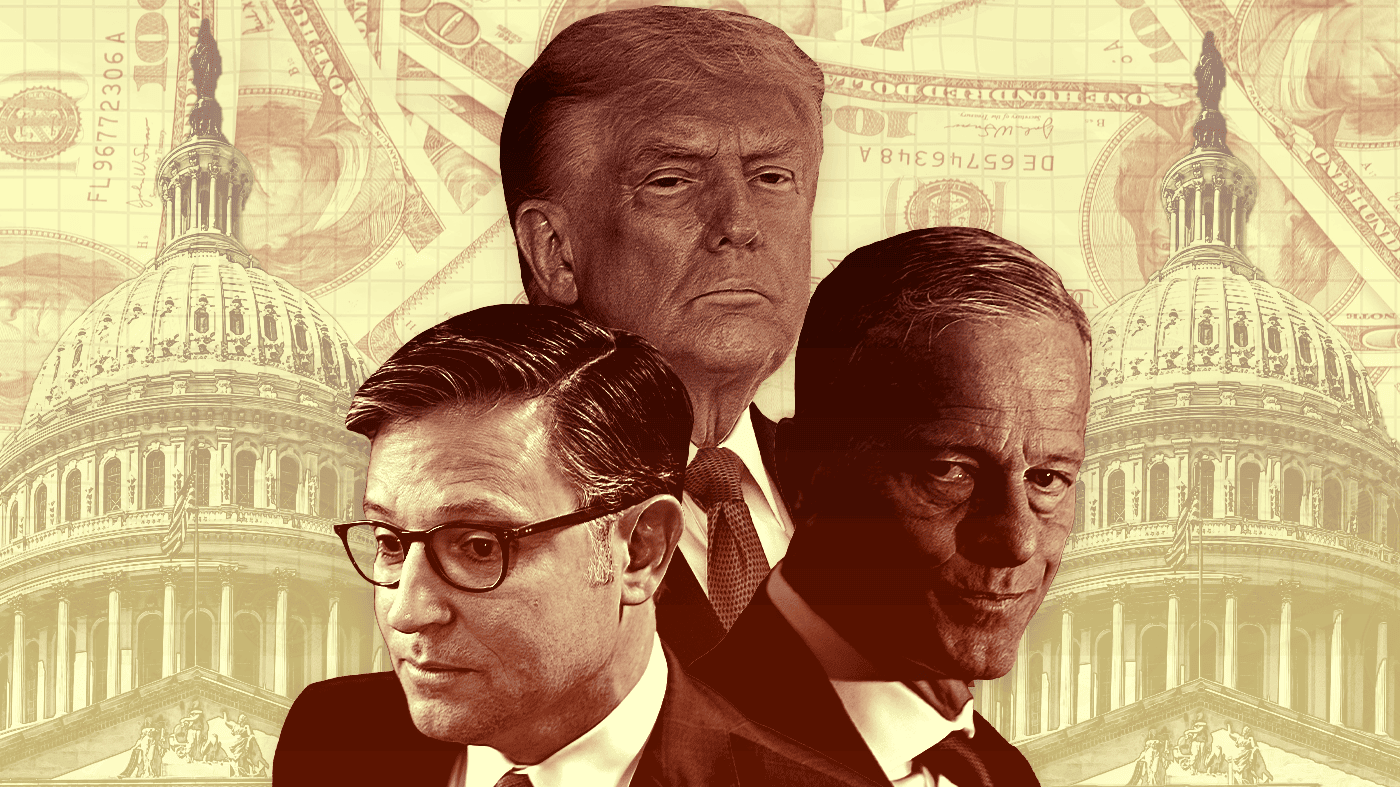
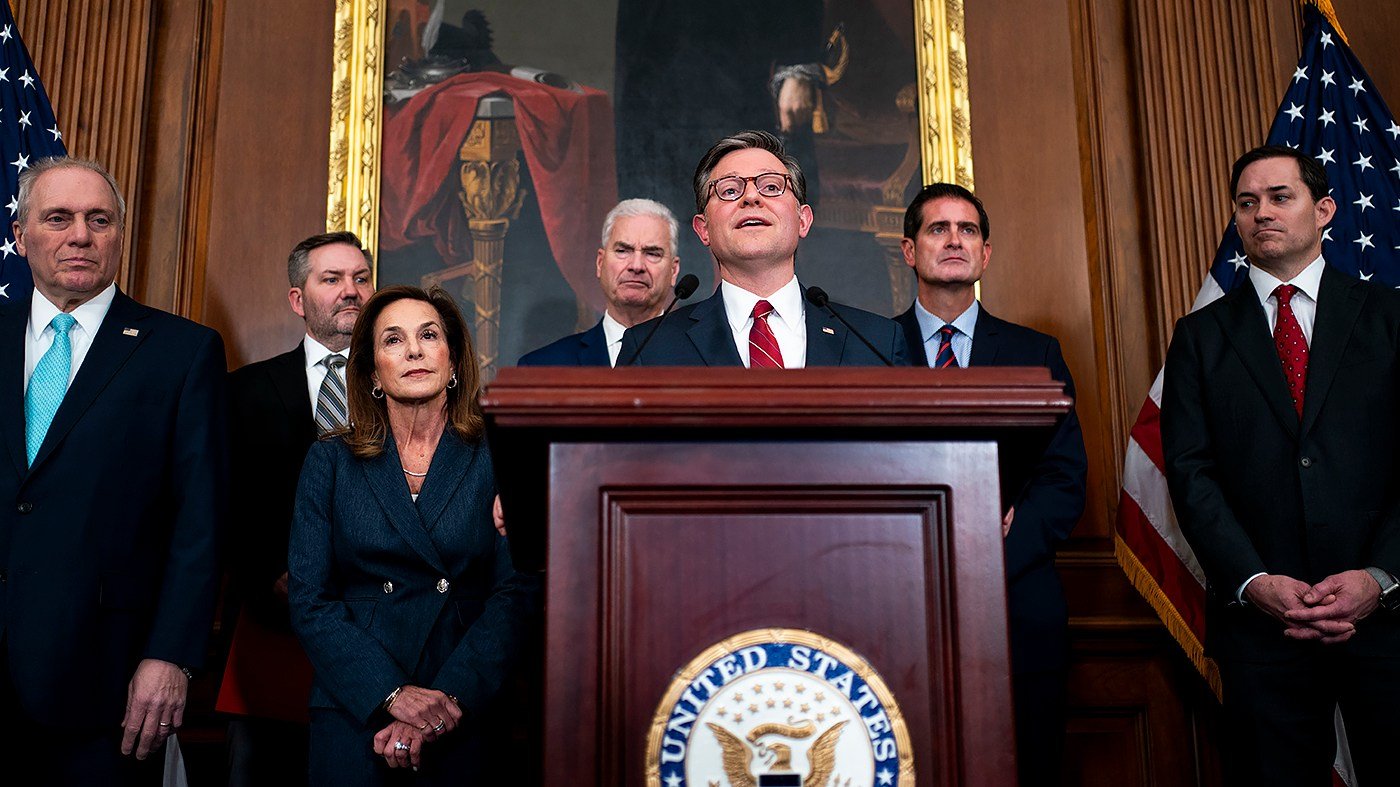
During the recess, Republican leaders appeared to make some progress toward a solution. Speaker Mike Johnson (R-La.), who initially dismissed the Senate GOP plan as a "joke," shifted position to join President Trump and Senate Majority Leader John Thune (R-S.D.) in backing a two-step approach. This strategy would separate funding for Immigration and Customs Enforcement and Border Patrol—a concession to Democratic demands—while using the budget reconciliation process to pass immigration enforcement funding with a simple majority, bypassing a Democratic filibuster. Trump set a June 1 deadline for Congress to send him that legislation.
However, prospects for a quick resolution dimmed last week when the conservative House Freedom Caucus came out against the GOP leadership plan. The caucus instead called for fully funding DHS through a GOP-only reconciliation bill, arguing that separating immigration enforcement funding would establish a dangerous precedent. "We will never hand Democrats their ultimate prize: A defunded ICE, handcuffed CBP, and criminal aliens terrorizing our communities," the group stated.
This intraparty feud complicates an already difficult negotiation as lawmakers confront multiple pressing issues, including debates over Iran war powers and the 25th Amendment. The economic stakes are significant, with the prolonged shutdown contributing to broader concerns about fiscal stability amid rising national debt.
As Congress reconvenes, the immediate question is whether the temporary paycheck reprieve for TSA officers will hold long enough for legislators to bridge their differences. With airport operations hanging in the balance and Republican unity fractured, the path to reopening the Department of Homeland Security remains fraught with political obstacles eight weeks into the funding lapse.