The Federal Reserve's independence faces its sternest test in decades as ballooning federal deficits threaten to force the central bank into a supporting role for Treasury financing, a condition economists call "fiscal dominance." With the national debt nearing $39 trillion and annual interest payments projected to triple within twelve years, the Fed's primary mandate of price stability risks being subordinated to the government's borrowing needs.
The Warsh Nomination and a Call for a New Accord
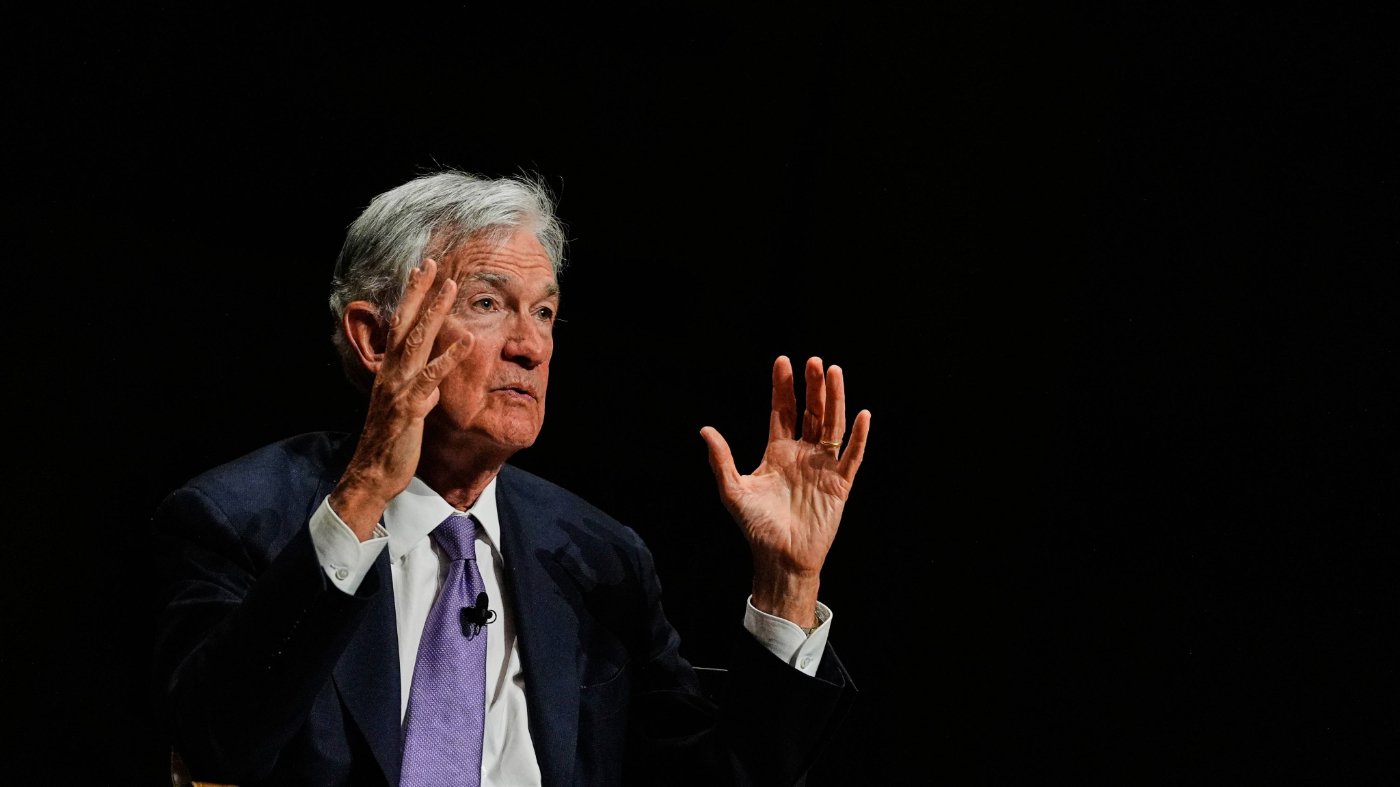
This tension will take center stage during the April 16 Senate Banking Committee hearings for Kevin Warsh, President Trump's nominee for Fed Chair. Warsh has publicly called for a modernized Treasury-Fed accord, echoing the historic 1951 agreement that formally severed monetary policy from debt management. His central goal is a significant reduction of the Fed's balance sheet, which remains swollen with government securities acquired during the 2008 financial crisis and COVID-19 pandemic interventions.

Warsh's assessment, outlined in a recent Wall Street Journal op-ed, pins inflation squarely on excessive government spending and accommodative monetary policy. He has dismissed other explanations as excuses for poor Fed decisions. This stance sets the stage for pointed Senate questioning on two fronts: what the Fed should do if Congress fails to curb deficits, and whether aggressively shrinking the balance sheet could destabilize financial markets.
The Unsustainable Fiscal Trajectory
The backdrop is a fiscal picture the Congressional Budget Office describes as unsustainable. Net interest on the debt is projected to soar from $1 trillion this year to $3.1 trillion by 2036, even if yields remain steady. Concurrently, the Social Security trust fund faces depletion by 2032. The current budget deficit, at 6% of GDP, is double the 3% target advocated by some fiscal hawks and Treasury Secretary Scott Bessent.
This imbalance stems largely from last year's budget bill, which extended the 2017 personal tax cuts and added new Trump campaign promises. The Tax Foundation estimates these measures could create a $5 trillion revenue shortfall over the coming decade. Meanwhile, President Trump's newly released 2027 budget proposes a historic $1.5 trillion in defense spending, a massive increase that has already drawn fire. Senator Susan Collins has rebuked the plan for its deep cuts to domestic programs, while opponents like former Secretary Hillary Clinton have condemned it as an attack on families.
Monetary Policy in a Fiscal Straitjacket
President Trump has repeatedly urged the Fed to lower interest rates, arguing that faster economic growth is the solution to the debt burden. He is counting on Warsh to share this view that the economy can run hotter without rekindling inflation. However, this approach risks trapping the Fed. If deficits remain unchecked, the central bank may feel compelled to keep rates artificially low to manage the government's soaring borrowing costs, directly undermining its inflation-fighting credibility.
Warsh believes the Fed's holdings of U.S. government securities, though down from a peak of 35% of GDP, remain excessive at 21%. "We should be shrinking the central bank balance sheet, taking the Fed out of these markets unless and until there's a crisis," he has stated. Yet this push is likely to meet resistance within the Federal Open Market Committee (FOMC), which halted its quantitative tightening program in December following stress in funding markets.
Balance Sheet Risks and Market Stability
FOMC officials are wary of aggressive balance sheet reduction, recalling the September 2019 repo market crisis when rates spiked from 2% to 10%. They fear draining too many bank reserves could again destabilize short-term funding markets. The recent pause suggests policymakers believe they were nearing a dangerous threshold of liquidity extraction.
The final complication is the yield curve. If the Fed were to cut short-term rates while simultaneously reducing its Treasury holdings, the yield curve would likely steepen. This could provide a near-term growth boost but potentially at the expense of longer-term economic stability.
The fundamental challenge remains: massive fiscal imbalances are constructing a box around the Federal Reserve, severely limiting its policy options. Kevin Warsh's confirmation hearings will serve as a critical referendum on whether the central bank can maintain its independence in an era of trillion-dollar deficits, or if the nation's monetary guardian will be forced to become the Treasury's financier of last resort.