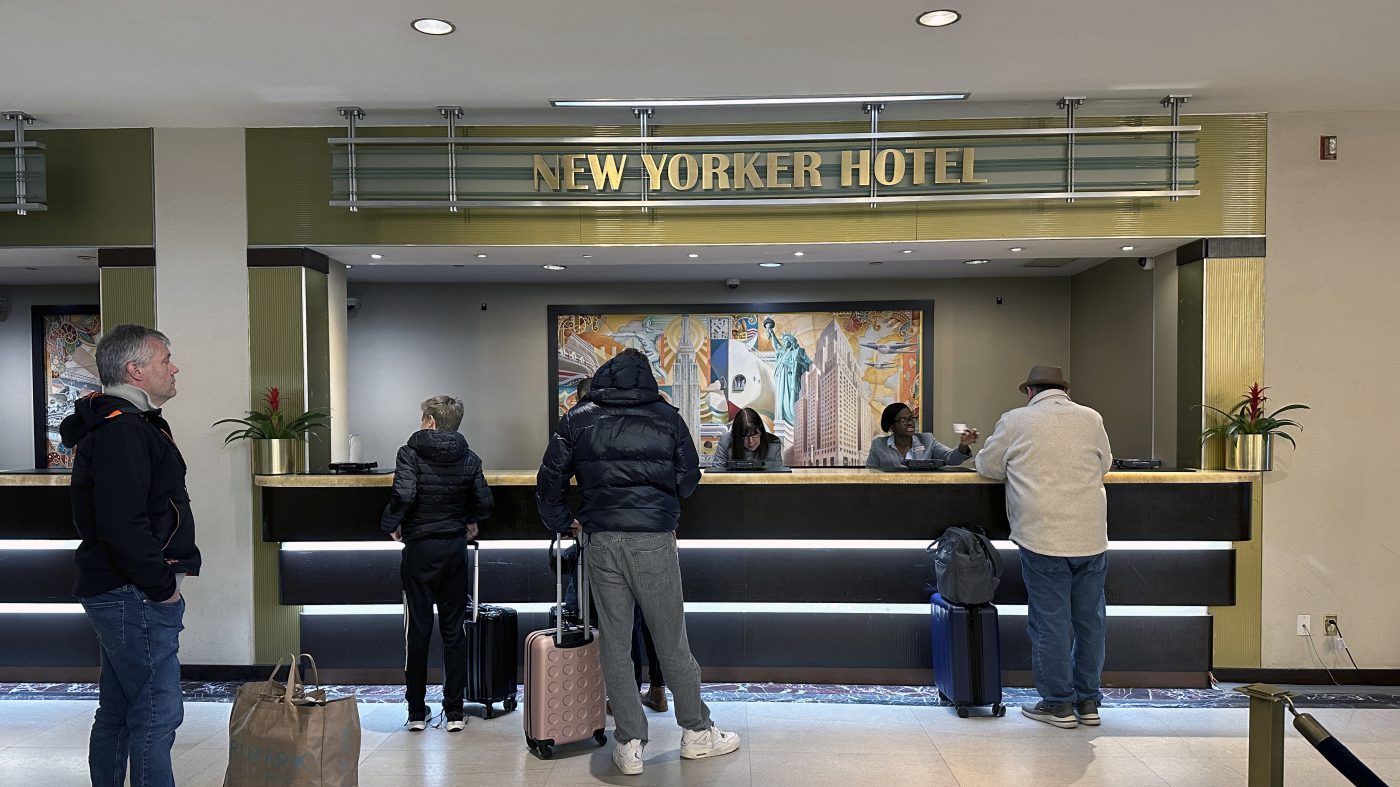
Rising hotel bookings and escalating room rates across the United States are signaling a robust travel market and a resilient economy, according to travel industry executives. The trend, driven by sustained consumer demand and a lag in hotel construction, is pushing average daily rates to new highs.
A recent report released earlier this month shows that hotel performance nationwide continued to outpace last year's growth in early May, with average daily rates rising by 1.7 percent. The data underscores a broader pattern of year-over-year demand that has persisted for more than five years, as noted by Tim Hentschel, CEO of HotelPlanner.
“We’re seeing robust, year-over-year demand for more than five years now,” Hentschel said. He attributed the price increases to the industry's inability to build hotels quickly enough to meet the rising demand. “It says a lot about the strength of the economy that rates have been able to increase, yet year over year, we’re still hitting record highs,” he added.
The cost of hotels, motels, and other lodging has risen 4.3 percent, according to the U.S. Bureau of Labor Statistics, reflecting broader inflationary pressures in the travel sector. Hentschel emphasized that as long as the economy maintains strong GDP growth and consumers have disposable income, travel demand and room rates will likely continue their upward trajectory.
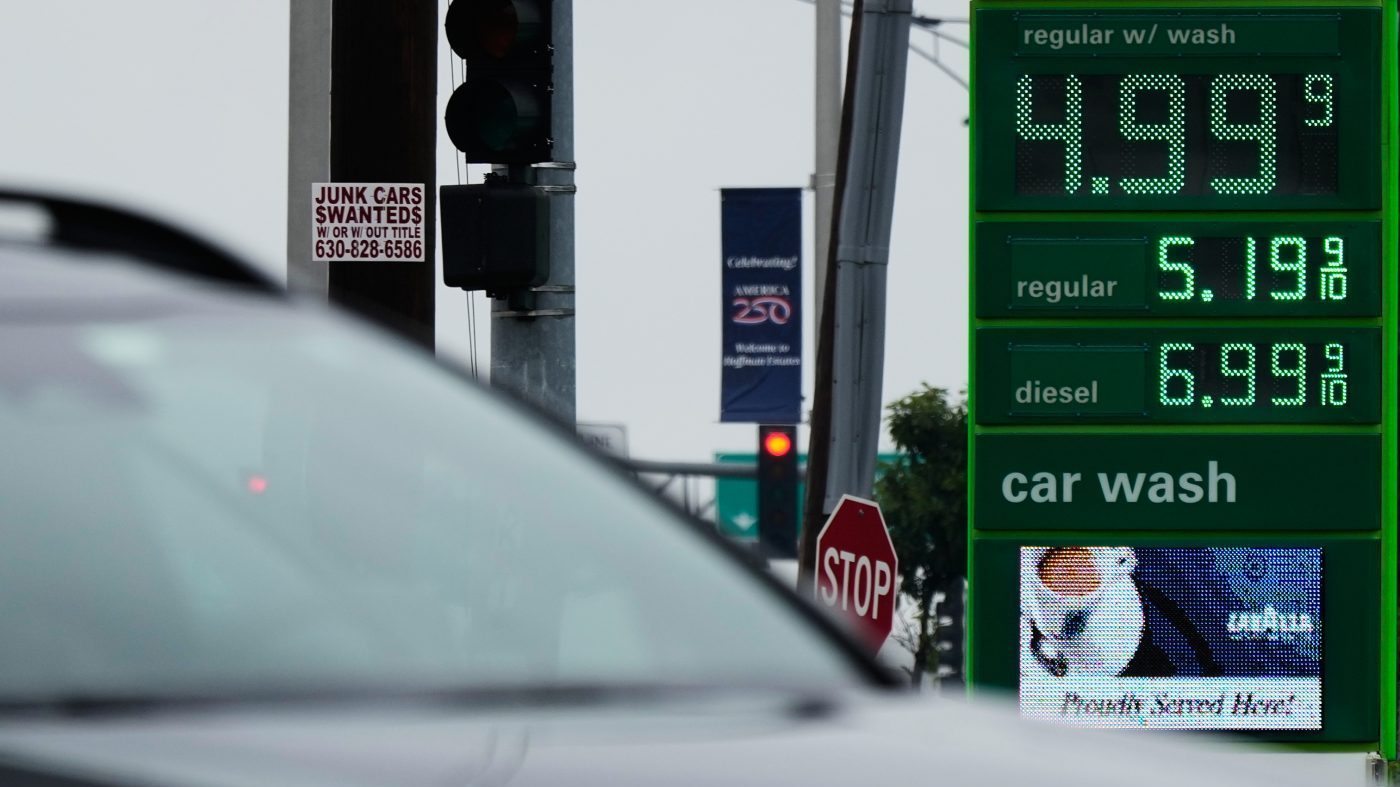
“As long as we have a strong GDP and people have disposable income, more people will travel and room rates will continue to rise,” Hentschel said, linking the trend directly to economic fundamentals. This comes amid a backdrop of other economic pressures, including record gas prices tied to the Iran conflict, which could impact travel budgets.
Short Stays Reshape the Hotel Market
Another factor driving demand is a shift toward shorter stays among North American travelers. Searches for one-night hotel stays have increased over the past three years, according to Hospitality Net, indicating a move toward more flexible travel patterns.
“Travelers, especially in North America, appear to be shifting to a more flexible approach, likely driven by changing demographic, economic and technological conditions,” the report said. Meanwhile, searches for longer stays have declined, dropping about 10 percent from 2023 to 2025, according to the site.
This shift is reshaping the hotel market, as properties adapt to accommodate more frequent but shorter bookings. The trend also reflects broader changes in work and leisure patterns, including the rise of remote work and a focus on shorter getaways. The strong travel demand comes even as other sectors face uncertainty, such as the recent drop in World Cup resale prices, which suggests that not all travel segments are booming equally.
Despite these mixed signals, the hotel industry's performance remains a bright spot in the U.S. economy, with executives optimistic that the trend will continue as long as consumer spending holds up. The data suggests that travel is becoming a priority for many Americans, even as they face higher costs across the board.