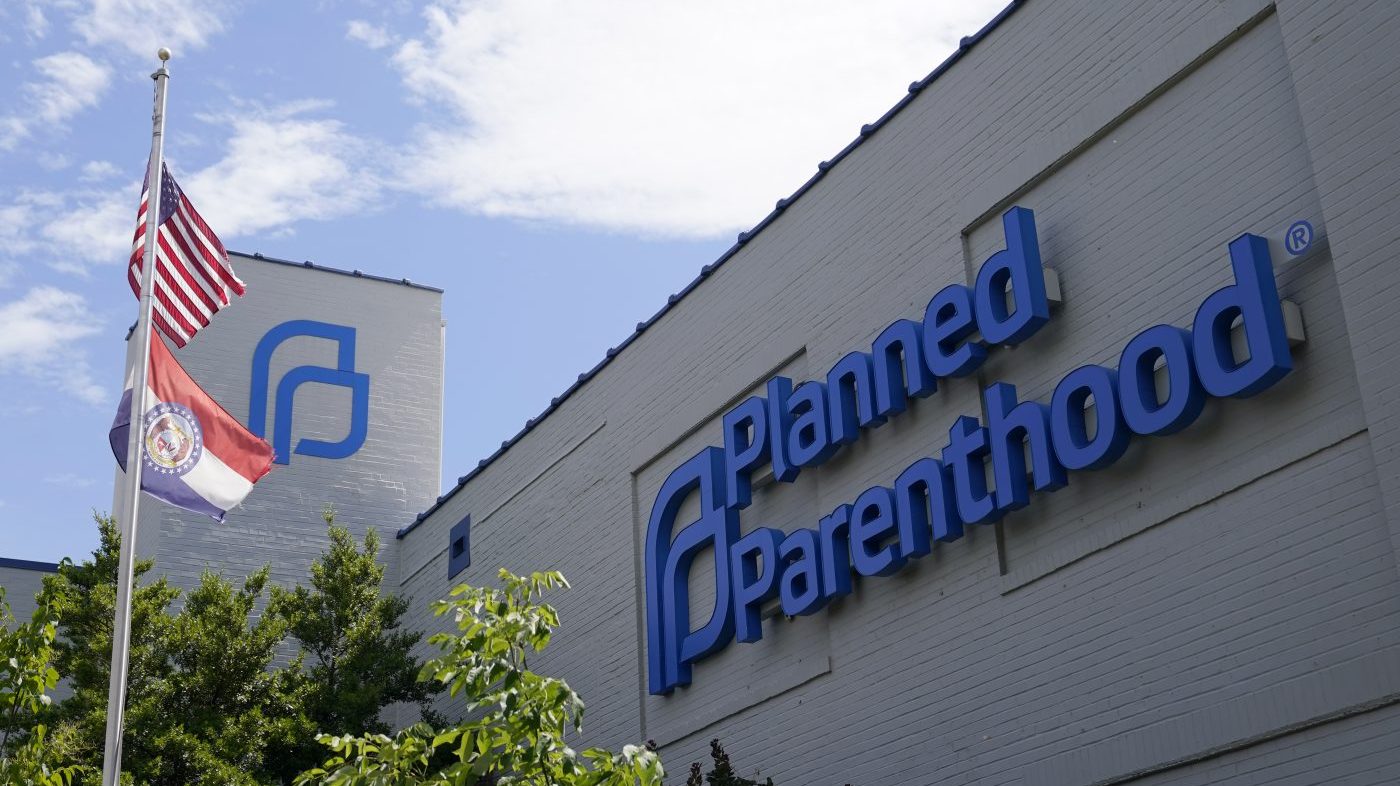
Planned Parenthood’s independent super PAC is pouring $47 million into the November midterms—its second-largest election investment ever—aimed squarely at unseating House Republicans who voted last year to strip the organization of federal funding. The “We Decide” campaign, run by Planned Parenthood Votes, will blanket battleground districts in Arizona, California, Colorado, Iowa, Michigan, New York, Pennsylvania, and Wisconsin with ads and voter outreach.
The funding also targets Senate races, notably in Michigan, where Democrats are expected to face former GOP Representative Mike Rogers, and potentially Maine, despite Senator Susan Collins having voted against the defunding bill. Collins, however, backed Supreme Court Justice Brett Kavanaugh, whose vote was decisive in overturning Roe v. Wade—a move that continues to galvanize abortion-rights advocates.

Planned Parenthood’s push comes on the heels of the expiration of a one-year Medicaid funding ban imposed by congressional Republicans through the One Big Beautiful Bill Act. That provision, which lapsed last weekend, had forced nearly 30 clinics to close, though the organization is now regaining access to hundreds of millions of dollars. The political stakes are high: the defunding fight has become a rallying cry for both sides, as anti-abortion activists fume over the ban’s expiration.
“We are ambitious, because really it’s an existential moment,” said Sarah Standiford, executive director of Planned Parenthood Votes. “This is a time where voters have an opportunity to take back our right to decide, our lives, and our future state by state, and that really requires a scale of impact that is significant.” Standiford emphasized that for many Americans, abortion access is not a hypothetical campaign issue but a daily reality shaped by restrictive policies.
The $47 million campaign builds on earlier ads from Planned Parenthood’s advocacy arm targeting vulnerable House Republicans who supported defunding. The sum is second only to the record $50 million the super PAC spent during the 2022 midterms, reflecting the organization’s heightened urgency after the fall of Roe. The effort dovetails with other progressive groups ramping up midterm spending, such as the ACLU’s $25 million state-level push and the NAACP’s record $20 million campaign following a Supreme Court voting rights setback.
In Maine, the scope of Planned Parenthood’s involvement remains uncertain after Democratic Senate candidate Graham Platner suspended his campaign. State party leaders have until July 27 to select a replacement, with several contenders vying for the nomination. Collins, a moderate Republican, has long been a target for abortion-rights groups due to her pivotal role in confirming Kavanaugh, even though she opposed the defunding measure.
“For millions of Americans, abortion is not a hypothetical election year issue, it’s not even necessarily a political issue, it’s an everyday issue,” Standiford said. “They’re now all living through the devastating policies that anti-abortion politicians have caused, and we have the power now to rectify it. It’s really important to elect at this moment unapologetic champions of sexual and reproductive health.” The campaign signals a fierce battle ahead, with Democrats hoping to leverage anger over the defunding ban and abortion restrictions to flip seats in a closely divided Congress.