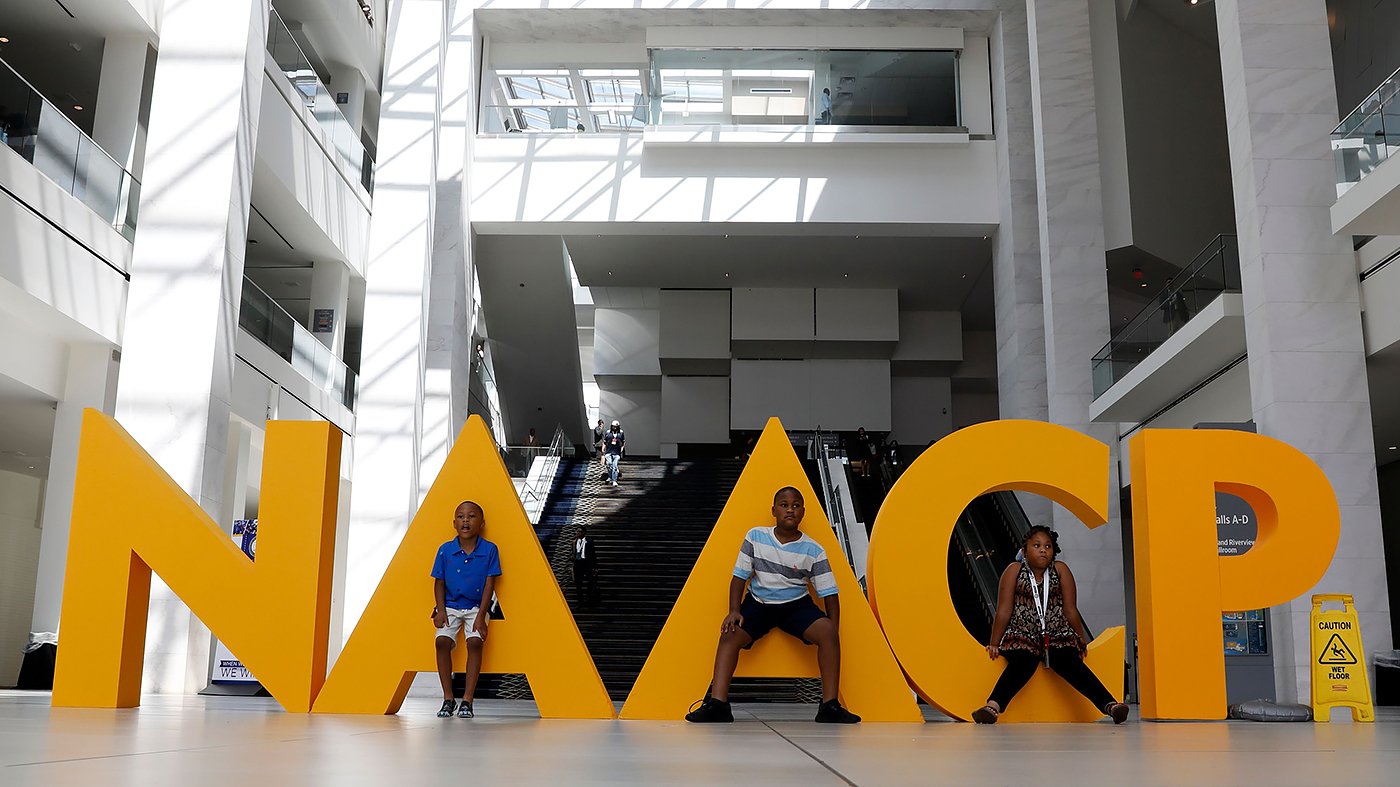
The NAACP is rolling out its largest-ever midterm election spending campaign, a direct response to the Supreme Court’s April decision that gutted key Voting Rights Act protections against racial vote dilution. The civil rights organization will invest $20 million in a get-out-the-vote drive targeting infrequent Black voters, according to NBC News.
The high court struck down Louisiana’s second Black-majority congressional district, effectively narrowing the legal standard for proving racial discrimination in redistricting. That ruling, which sidestepped a separate home equity case, has galvanized the NAACP to ramp up turnout efforts ahead of November.
“By turning out the vote, we can all help put an end to Donald Trump’s assaults on our communities and the rights we’ve secured through immense struggle,” NAACP President Derrick Johnson said in a statement. He framed the election as a choice between “accessible healthcare, affordable housing, and getting a good education” versus continued attacks on civil rights.
The campaign will deploy 20,000 volunteers across 14 states and 33 congressional districts, with a goal of reaching 6.5 million Black voters through radio ads and other spots. Black voter participation has historically surged in presidential years—two in three eligible Black Americans voted in 2012—but midterm turnout tends to lag. The NAACP is betting that targeted outreach can close that gap.
This push comes as the organization continues to challenge racially discriminatory redistricting maps in court. Former Biden Justice Department civil rights chief Kristen Clarke now serves as the NAACP’s general counsel, bringing federal experience to the legal front. The group recently lost a lawsuit in Tennessee state court challenging a map that split Memphis’s majority-Black district into three separate districts; the court ruled the NAACP lacked standing.
The Supreme Court’s decision has emboldened Republican-led states to push new maps that dilute Black voting power, while GOP legislators map a legislative offensive following the high court’s birthright citizenship ruling. The NAACP’s spending record underscores the stakes: Black voters accounted for 12.1 percent of the electorate in 2008, and the organization aims to exceed that benchmark this cycle.
Johnson’s emphasis on economic issues—healthcare, housing, education—reflects a broader strategy to tie voting rights to kitchen-table concerns. With voters weighing gas prices and grocery costs, the NAACP is framing turnout as a direct lever for policy change.
The $20 million investment dwarfs previous midterm spending for the 115-year-old organization. It signals that civil rights groups see the current election cycle as a make-or-break moment for voting access—and a direct rebuke to a Supreme Court they view as hostile to minority representation.