In 2019, Isabella County, Michigan, seized Timothy Pung's family home over a disputed tax debt of roughly $2,000. The county auctioned the property—worth nearly $200,000—for just $76,000. Months later, the buyer resold it for $195,000. The Pung family walked away with less than half the market value of their home, due to a small tax debt they insisted they never owed.
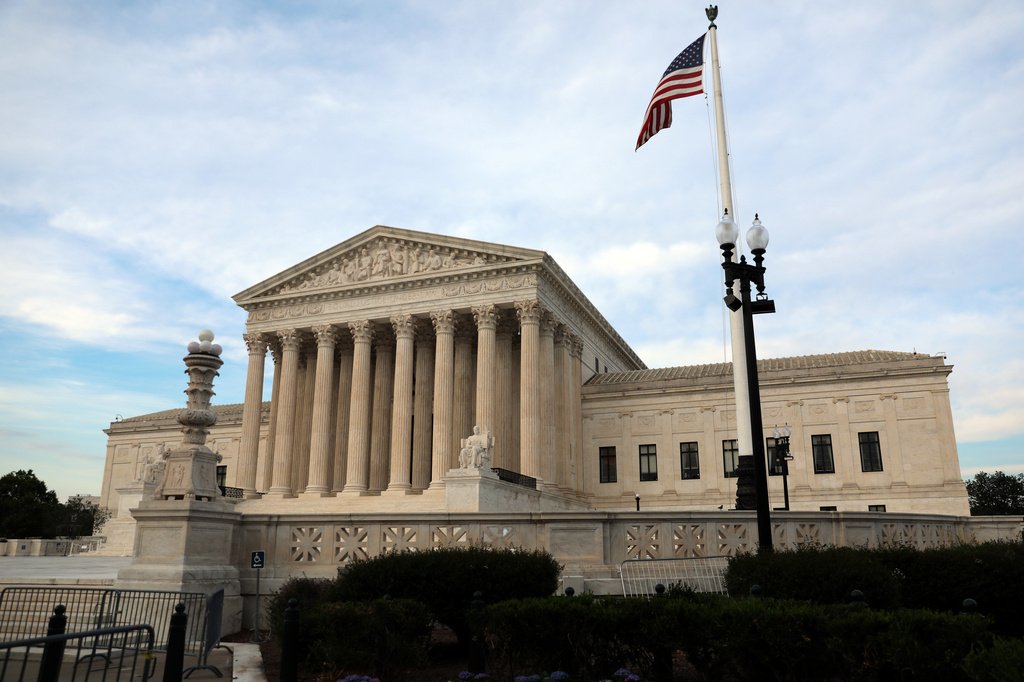
Last month, the U.S. Supreme Court ruled that property owners are not entitled to fair market value when the government seizes and sells their home to satisfy a debt, but the process must at least be fair. The court sent the Pungs' case back to a lower court to determine whether the auction of their home satisfied that standard. As Justice Clarence Thomas wrote in his concurrence, “What Isabella County did to the Pungs was wrong, and, on my initial view, likely unconstitutional.”
Most people would find wiping out someone's home equity—built up over years for retirement or a child's college fund—deeply troubling. At the Supreme Court, the Pungs argued that the Fifth Amendment requires governments to make them whole for that equity, entitling them to fair market value. But during oral argument, it became clear that some justices had reservations about requiring the government to give fair market value in every case. Forced sales almost always produce depressed prices. As Justice Samuel Alito observed, they are inherently “incompatible” with ordinary methods of maximizing price.
While the justices seemed troubled by the injustice of the facts, they had at least some sympathy for the government. During oral arguments, Alito colorfully asked: What did the homeowners expect the government to do? Figure out what the taxpayer owns and sell that first? Should it be forced to go after a Peloton exercise bike or a “gigantic TV” before seizing the house? The courtroom laughed.
But as Thomas noted in his separate opinion, there were alternatives to seizing the Pung family home—including going after personal property, bank accounts, or vehicles—that governments have been expected to exhaust before resorting to the nuclear option of taking someone's house. That's especially true when the tax debt is small. At oral argument, the government's attorney admitted that the county would have proceeded with the sale even if the debt was just $100. One Michigan county even seized a home when the owner inadvertently underpaid by $8—less than the cost of a Chipotle burrito.
When the government takes the extraordinary step of seizing a person's home for a tax debt, that comes with constitutional obligations. As the Pungs' attorney put it, “when a client doesn't pay my bill, I don't get to go seize their whole entire house.” The Supreme Court unanimously affirmed that the government can take that step, but the process must be fair.
In the Pungs' case, Michigan's auction procedures were practically designed to produce low prices. Homeowners were barred from bidding on their own properties. There were no minimum reserve prices, no pre-auction inspections allowed, and no requirement that the government list the property through a broker first. The depressed sale wasn't an unfortunate accident—it was a predictable result of how the county ran its auction scheme. Other states have found fairer approaches, requiring market-rate listings before auction, setting minimum strike prices, and building in judicial review. These are basic guardrails that ensure the government collects what it's owed without pocketing what it isn't. In the majority opinion, the court specifically pointed out procedures that might lack those guardrails: “a sham sale” or a locality that “needlessly delay[s] a tax sale while real estate prices crash.”
Once the government takes your home, the Constitution doesn't ask whether you were a model citizen. It requires the government to provide “just compensation.” Now it is up to the 6th Circuit Court of Appeals to decide whether the Pungs will be made whole. This case echoes broader debates about property rights and government overreach, similar to recent Supreme Court discussions on cross-partisan voting patterns and tariff disputes. The outcome could set a precedent for how states handle tax sales across the country.